Sheet 04 · Catalog twins · per-project delivery
Your catalog, in the other language Page for page
Send the catalog PDF you already print from. What comes back is the same document in the other language, KR to EN or EN to KR: the same page count, the same page geometry, the drawings, tables and charts exactly as drawn, with the text replaced in place. Nothing is re-laid out and nothing is re-drawn, so the second language stops falling behind the first.
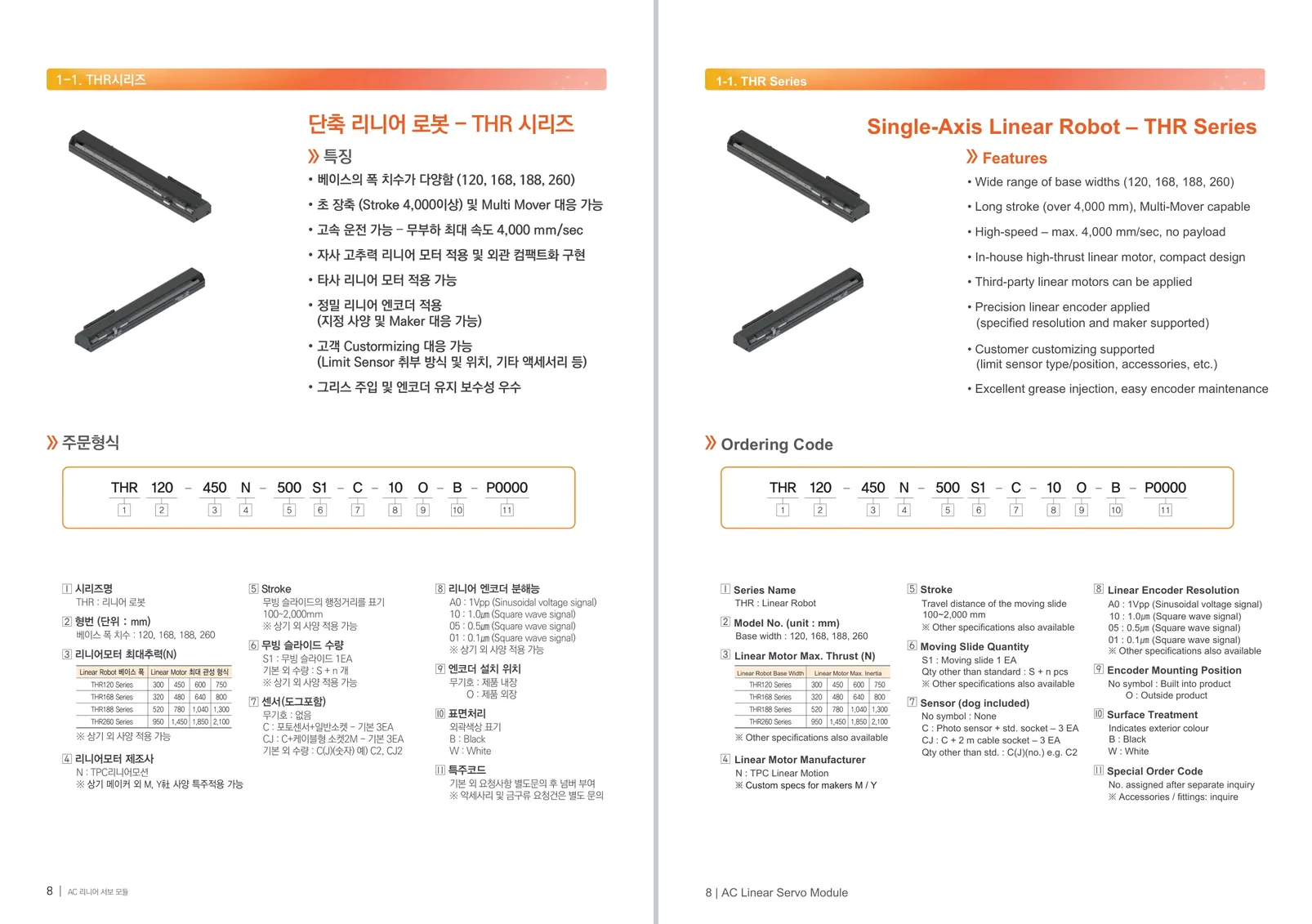
 Twins of five TPC catalogs
Per-project delivery
Twins of five TPC catalogs
Per-project delivery
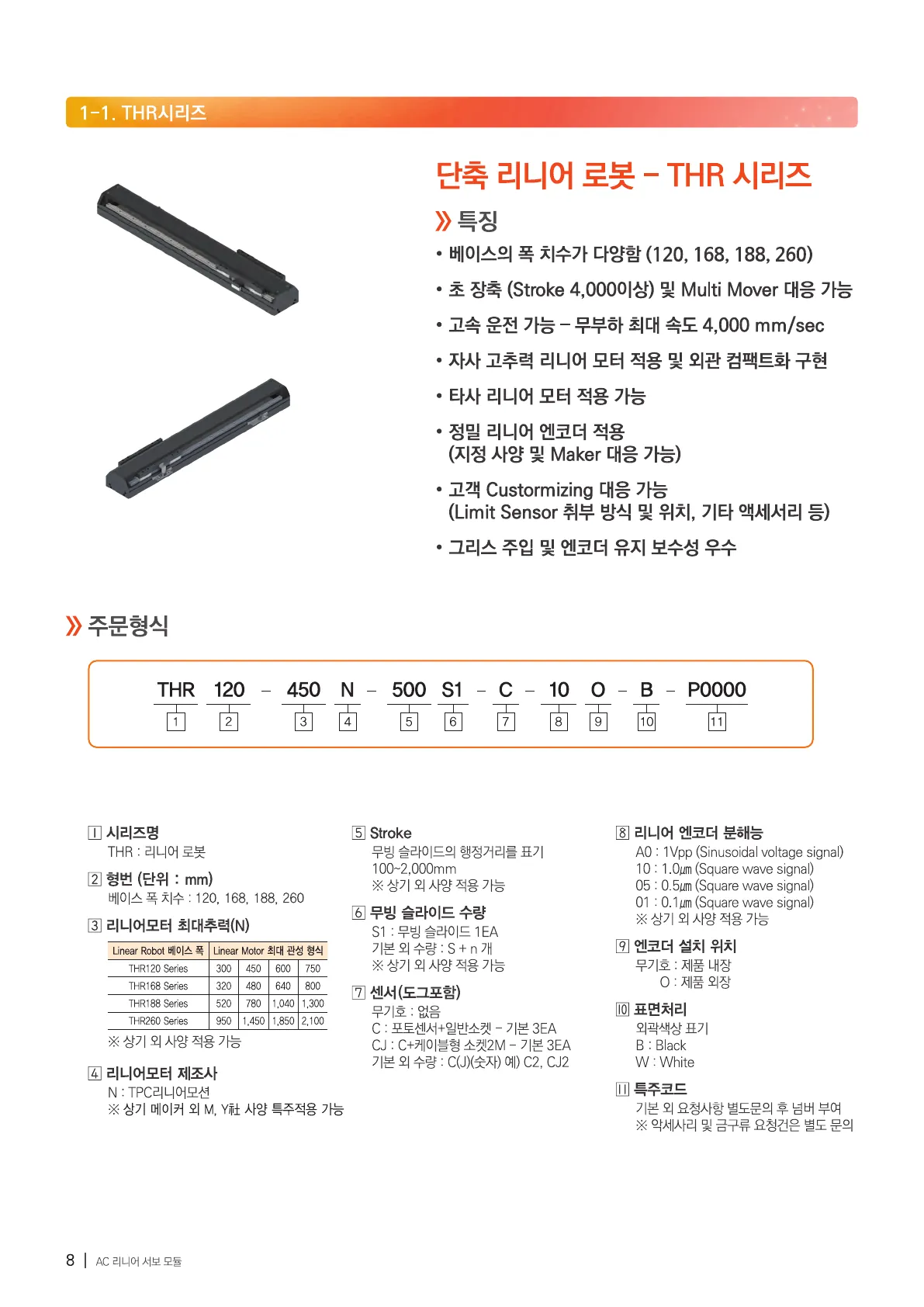
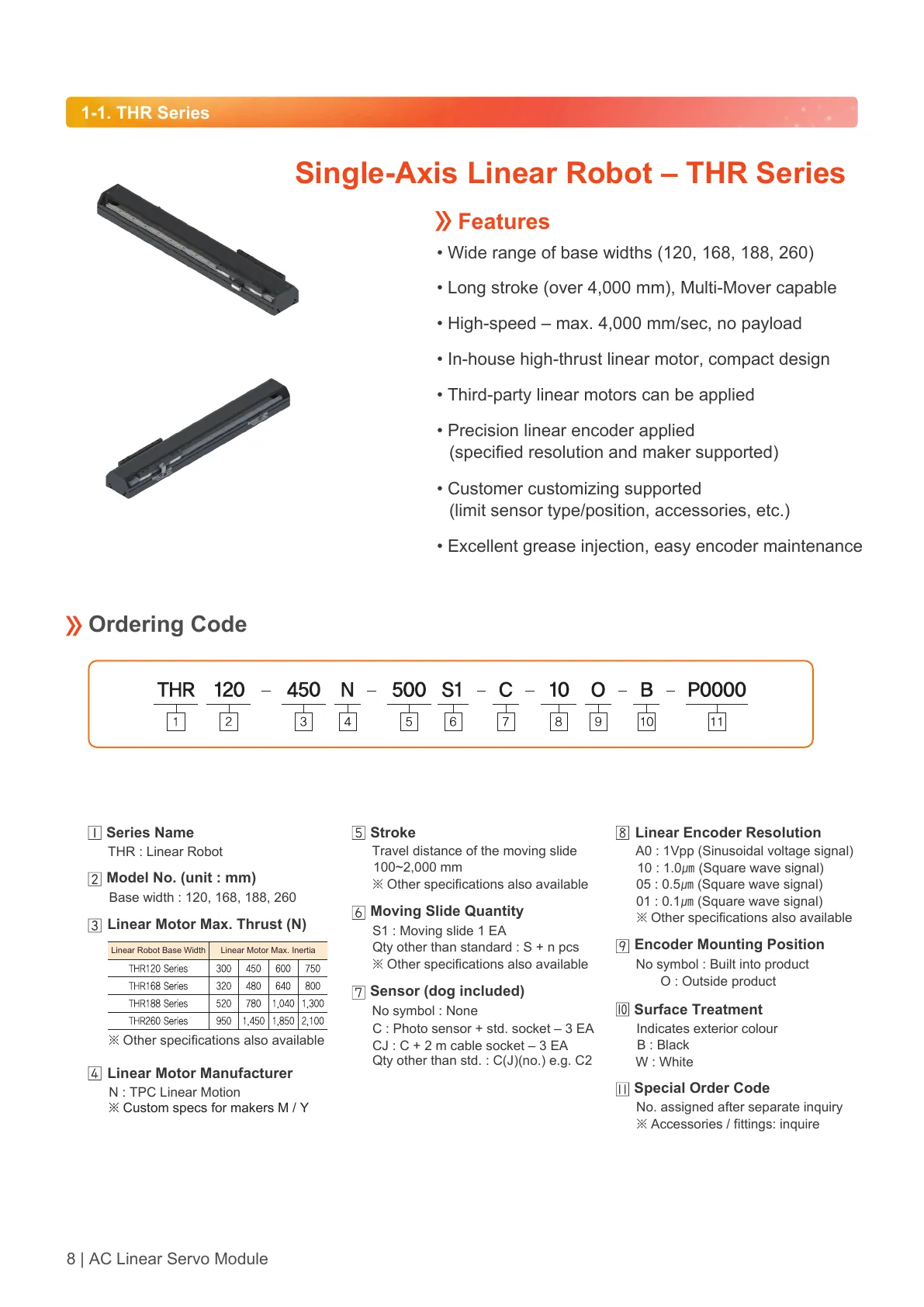
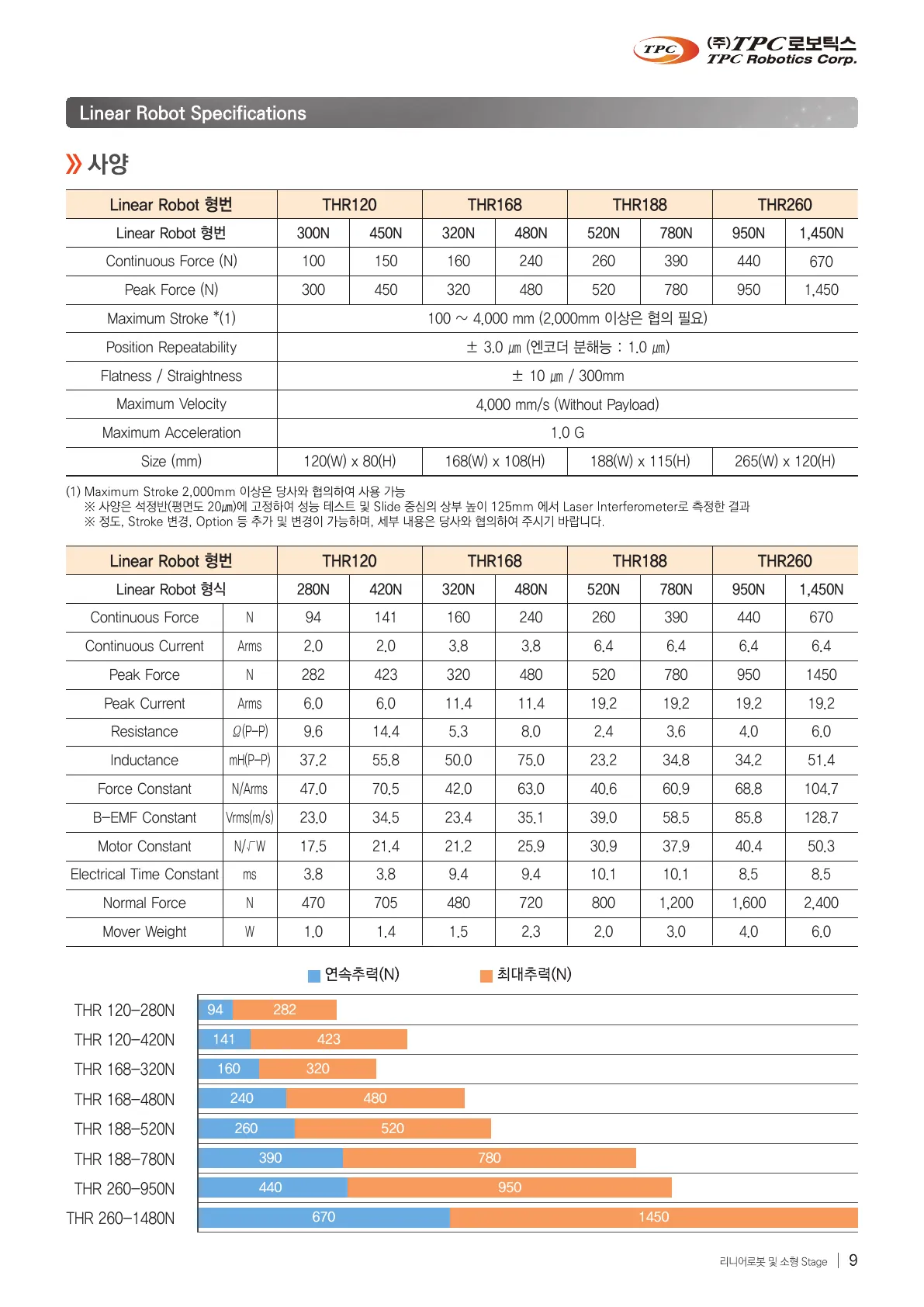
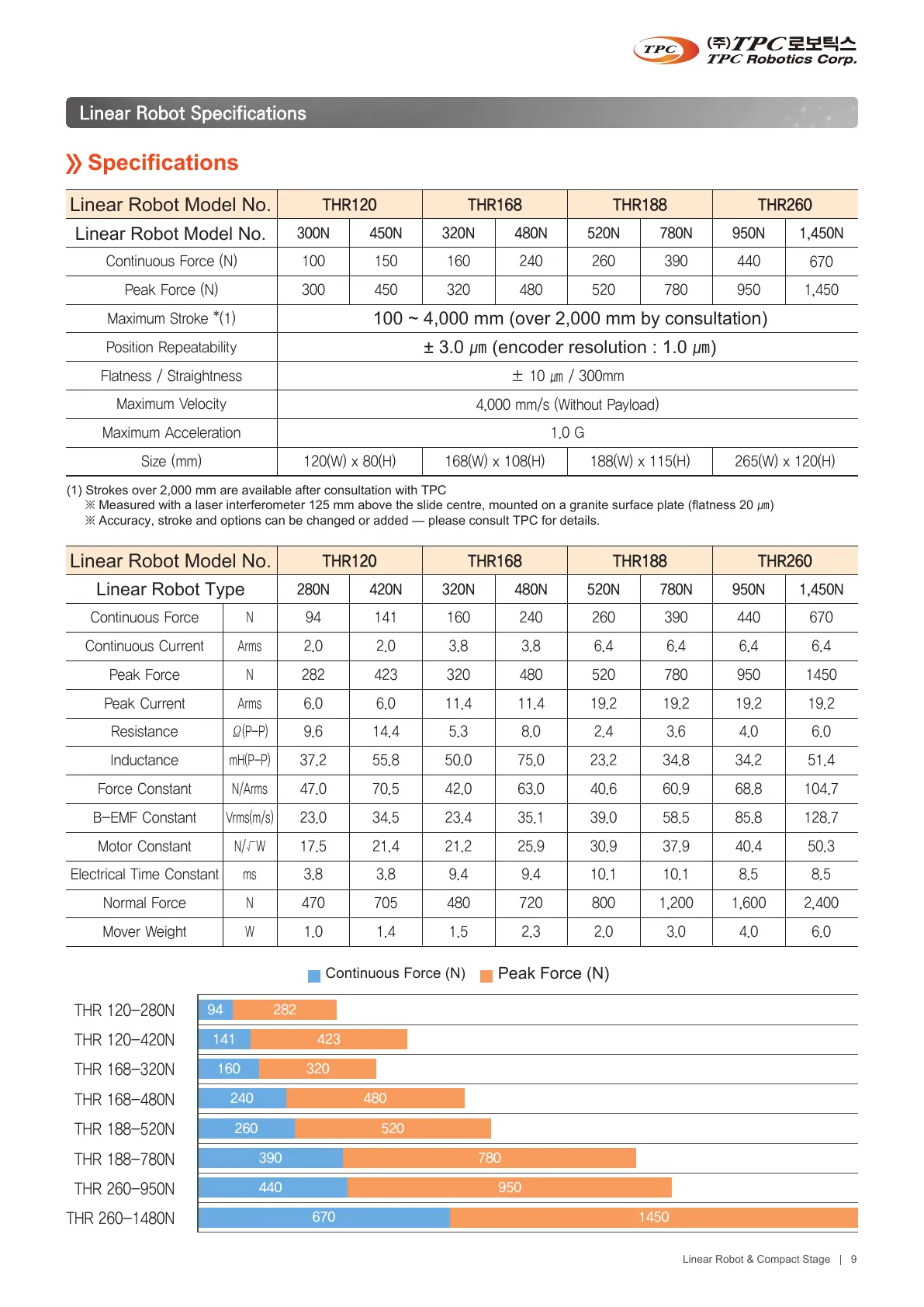
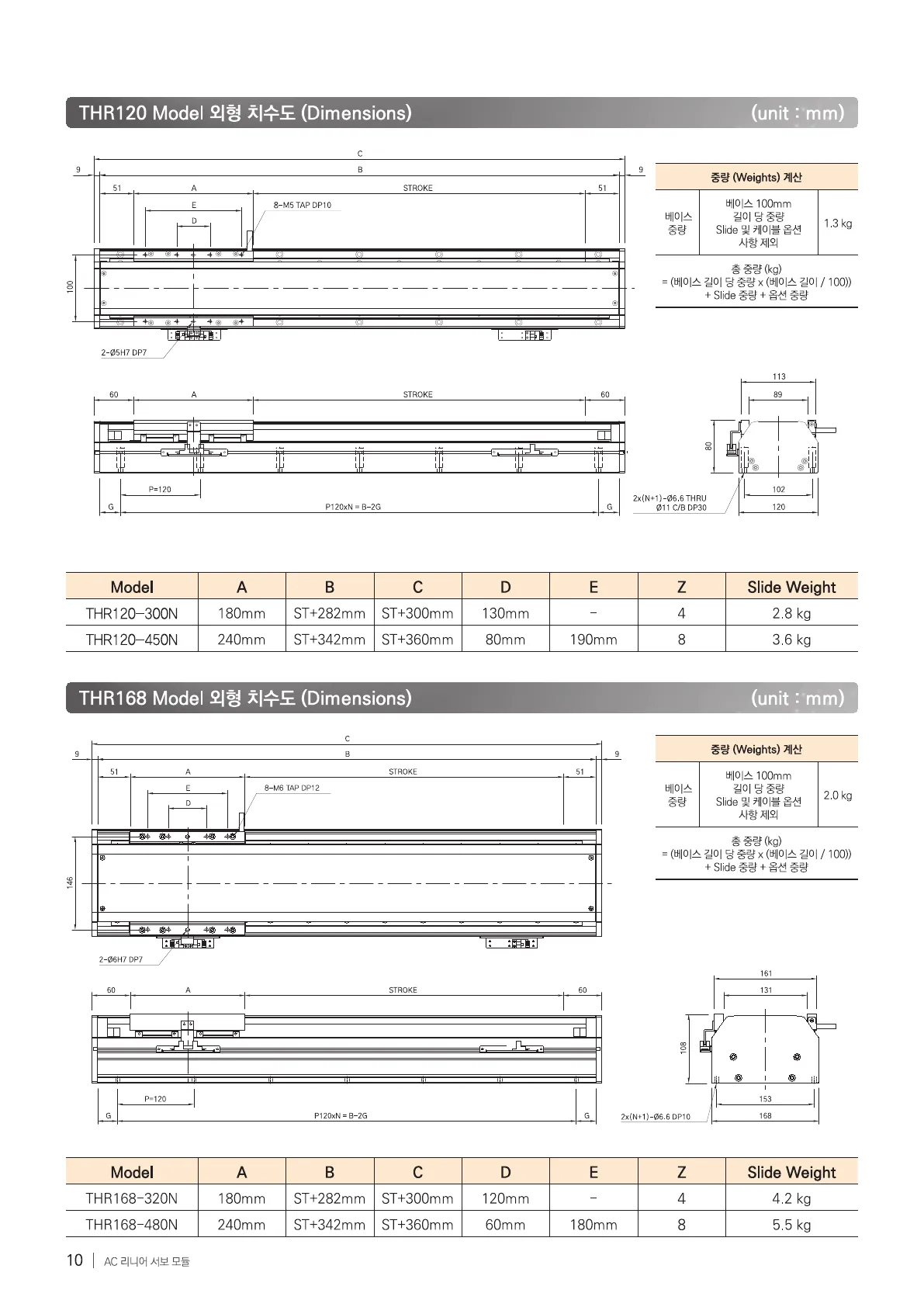
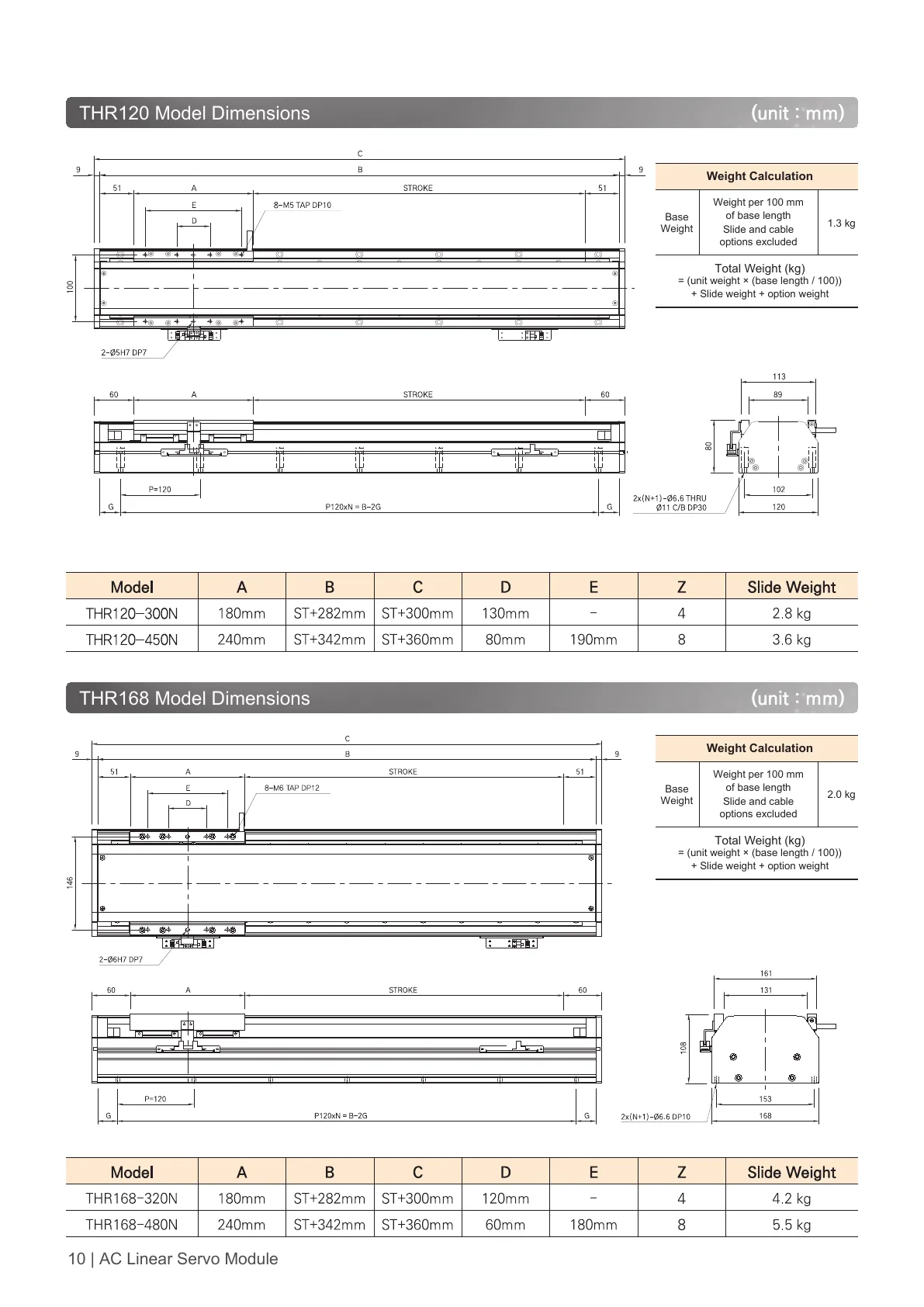
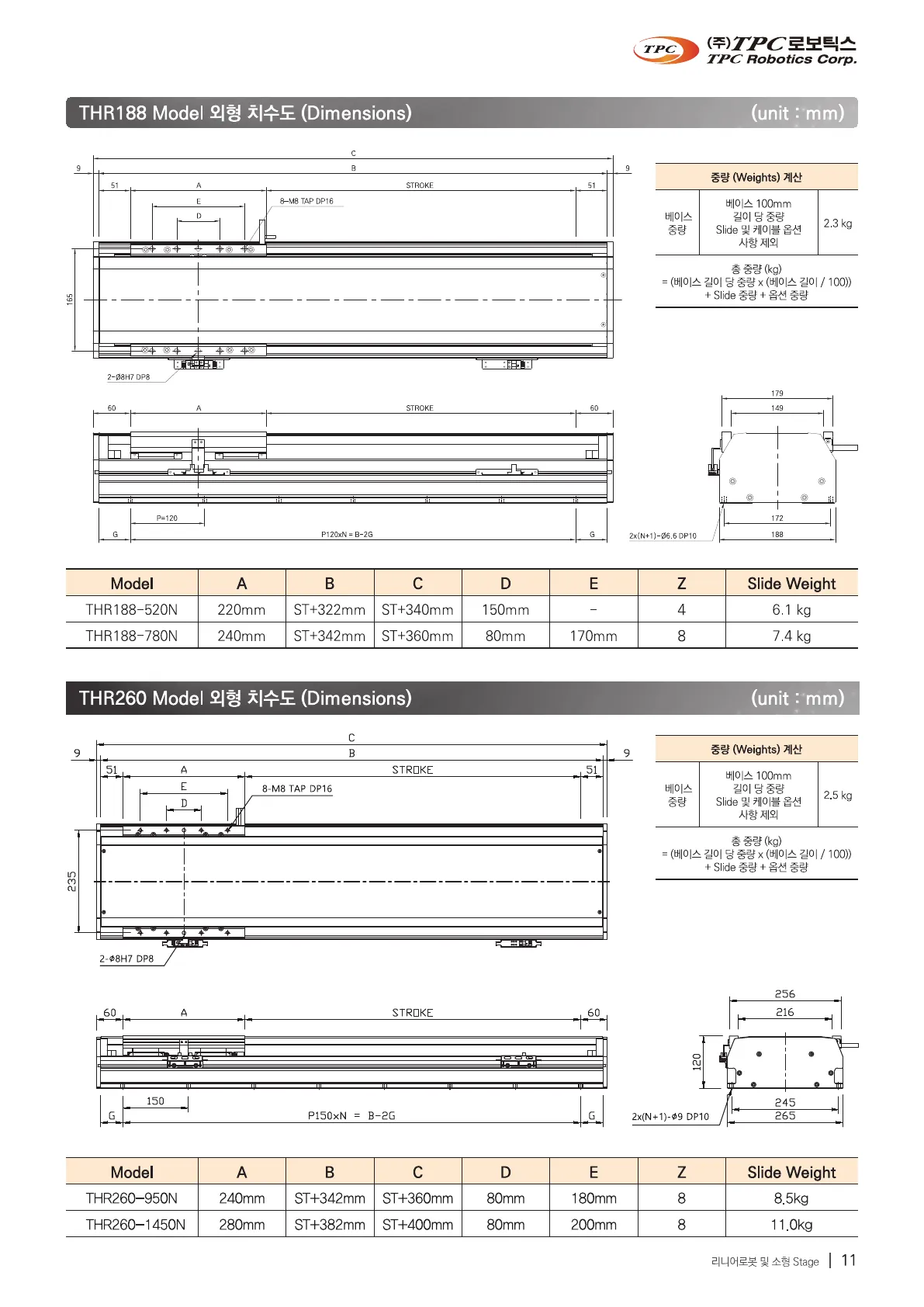
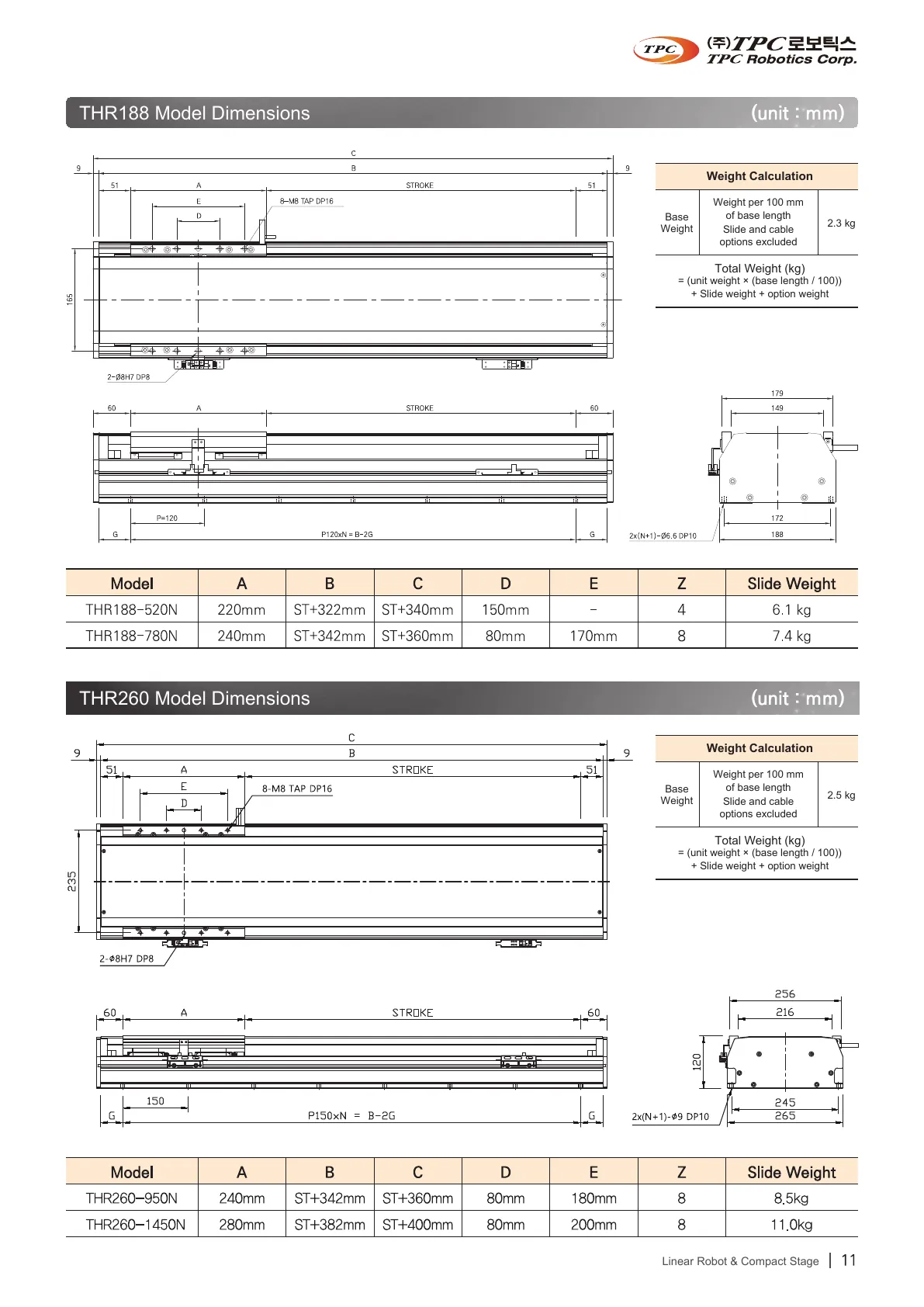
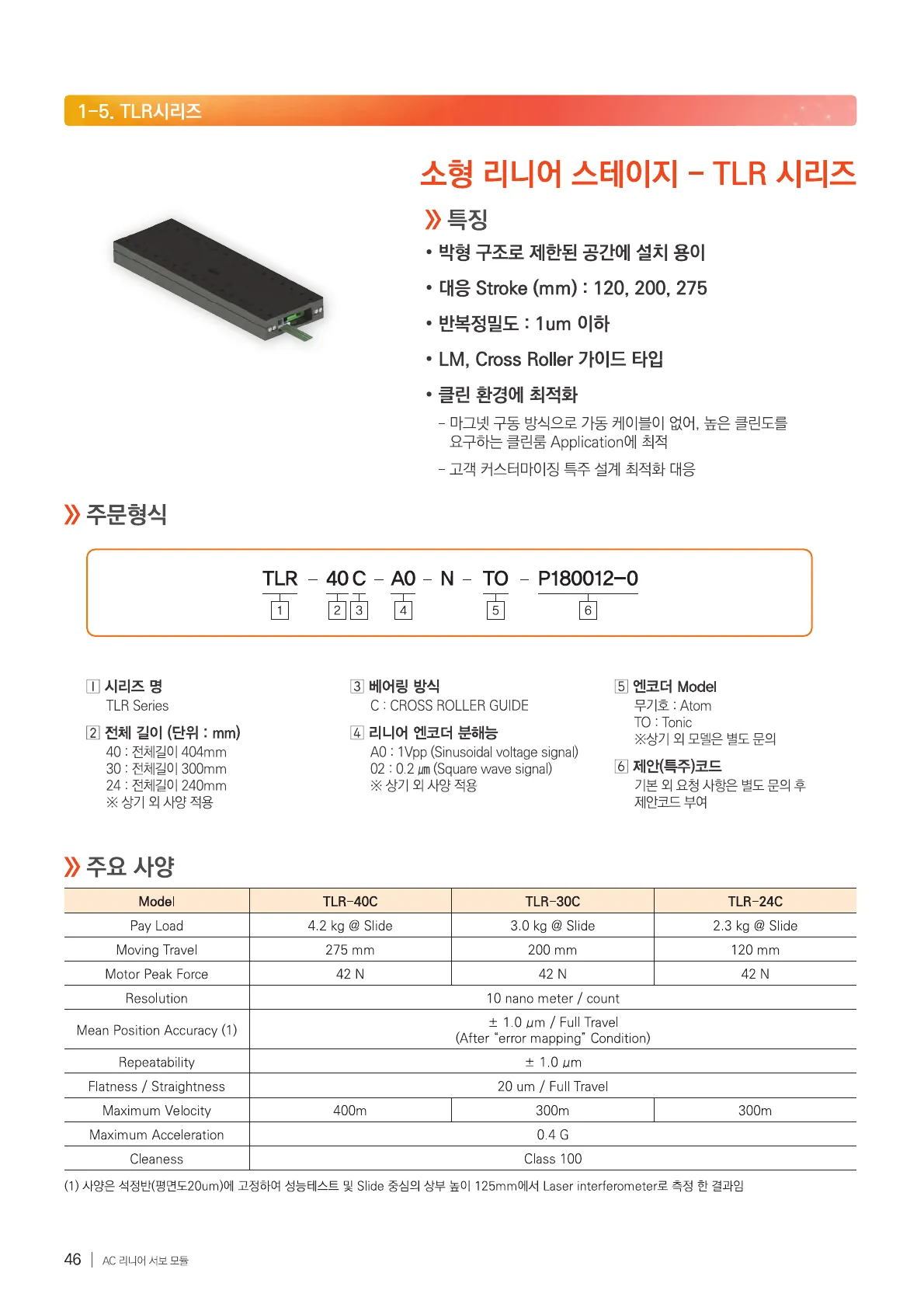
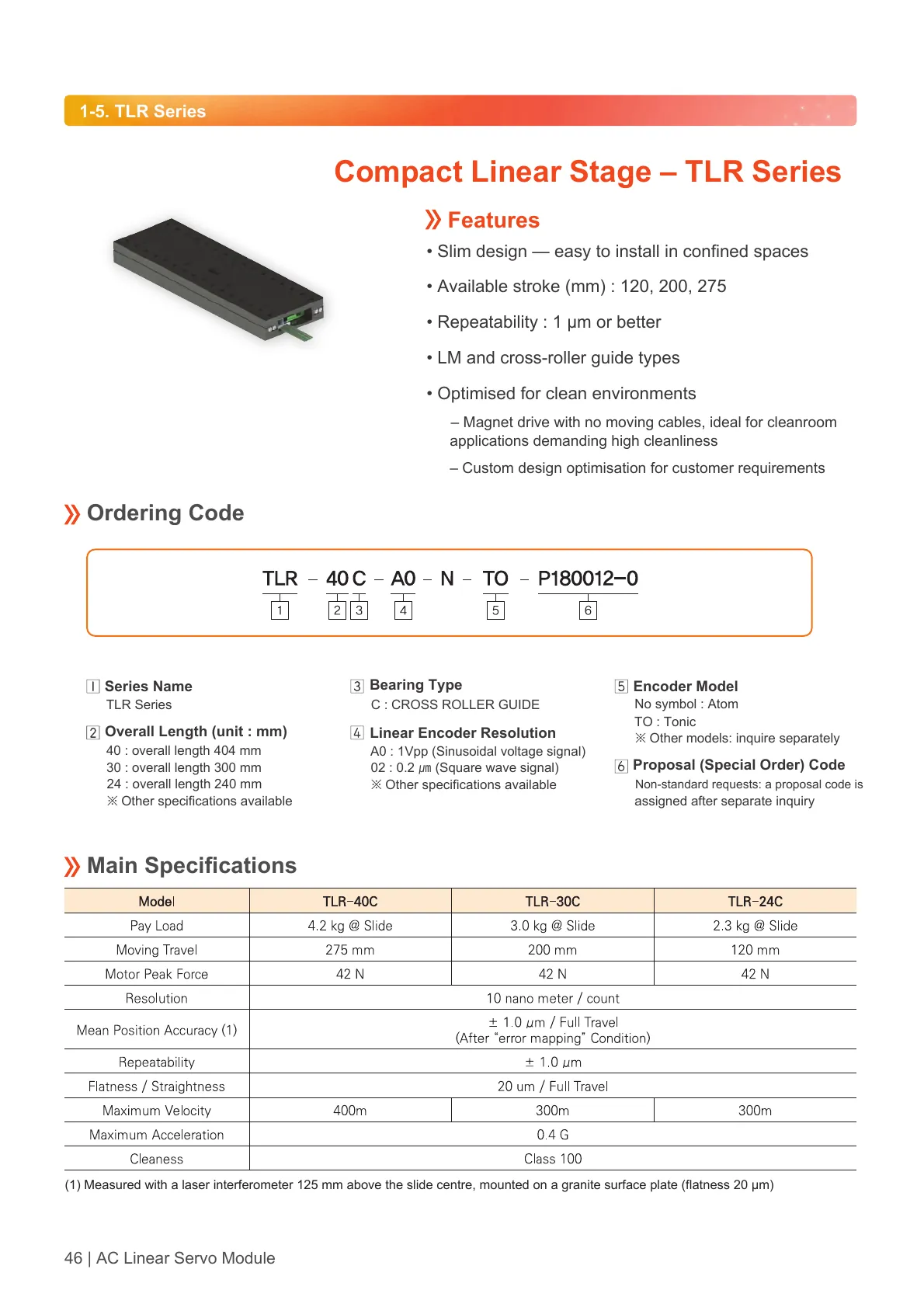
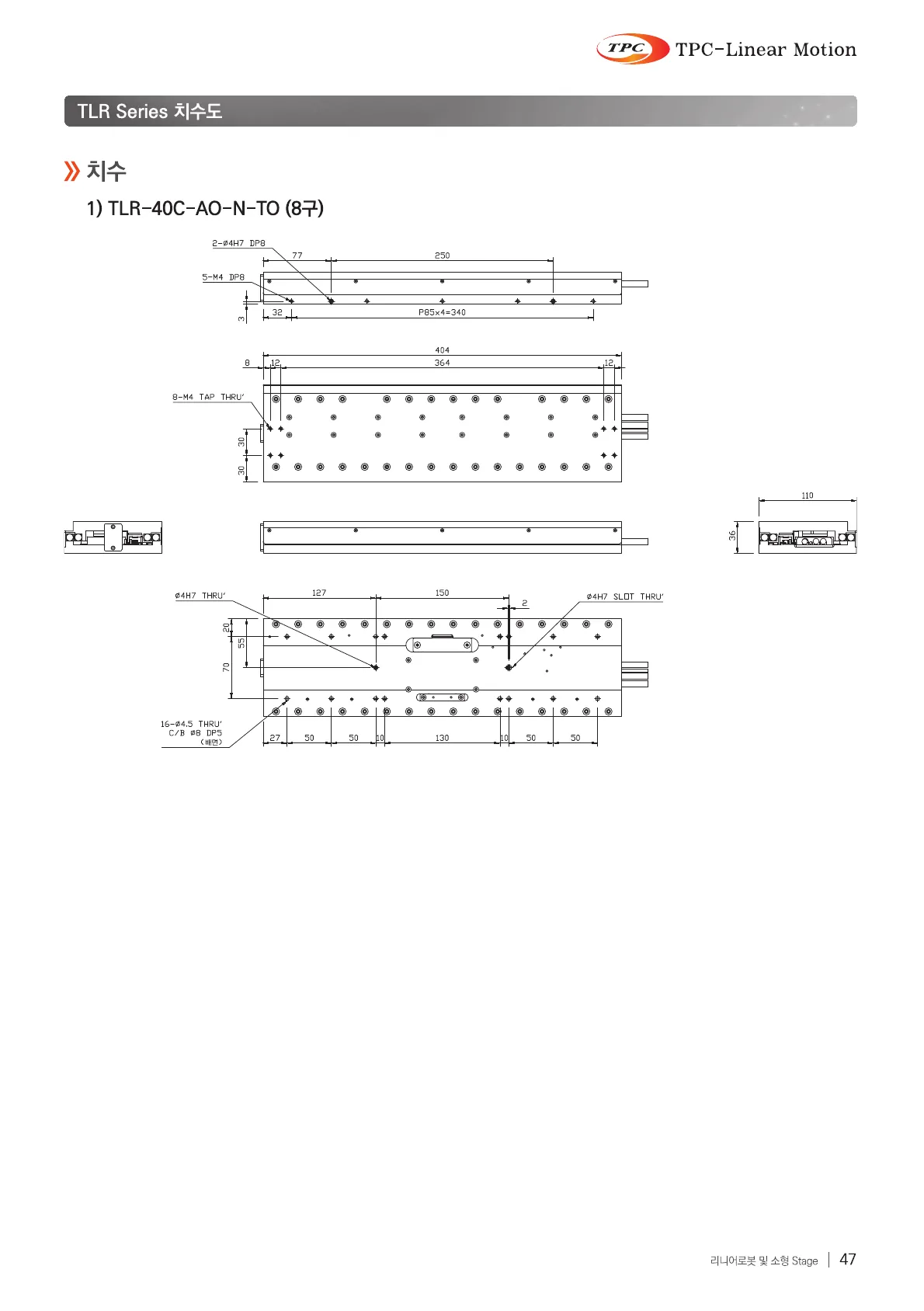
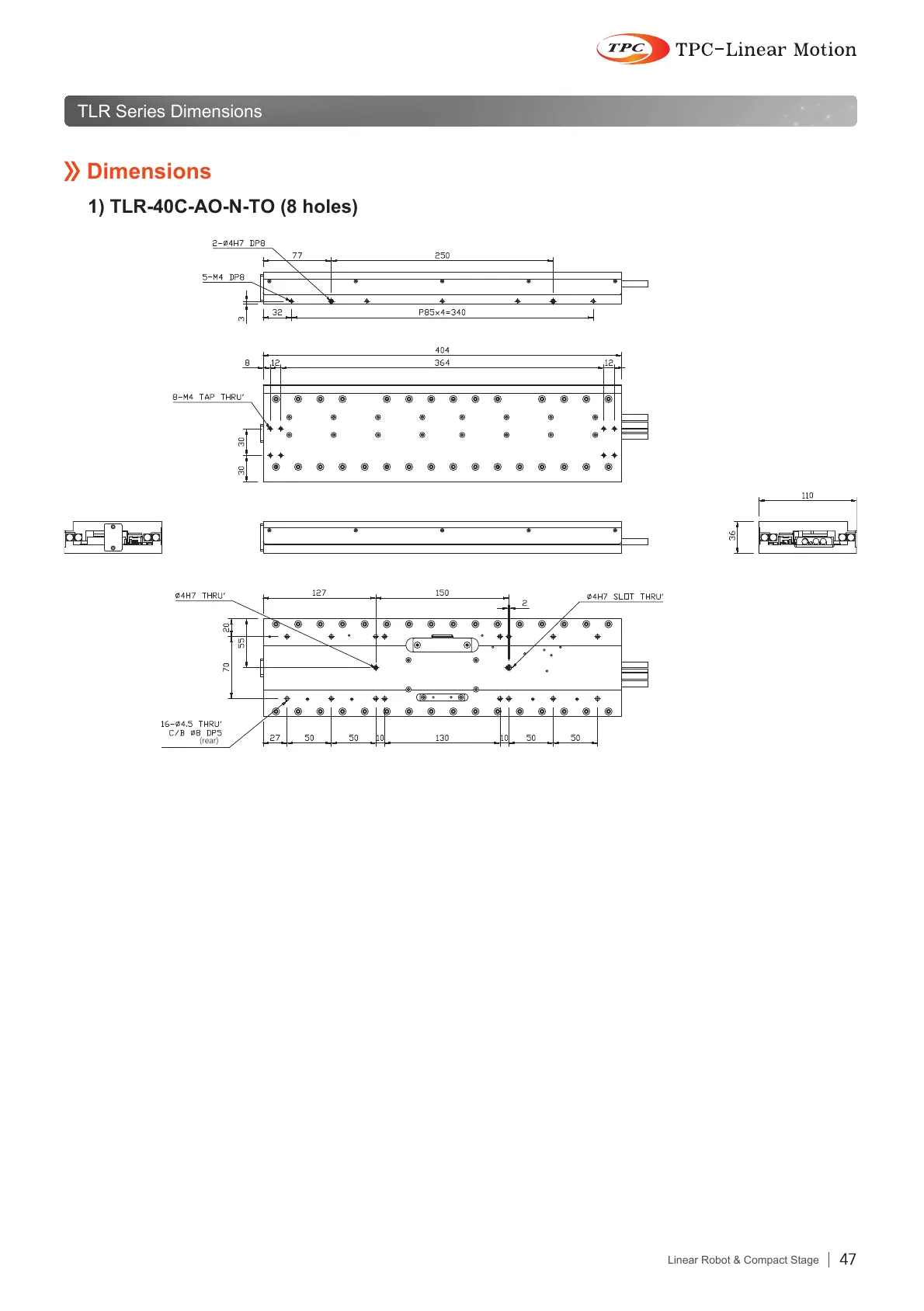
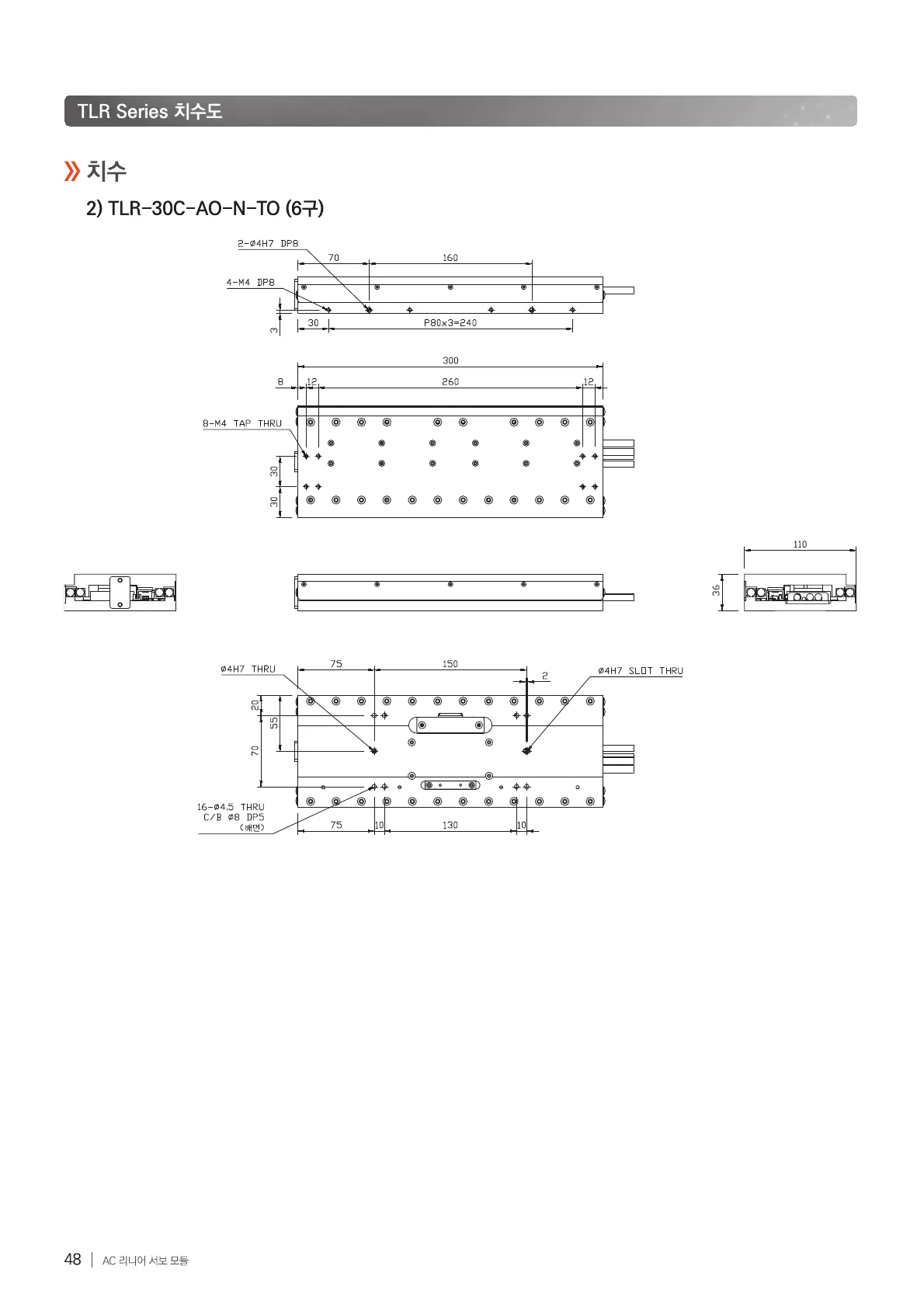
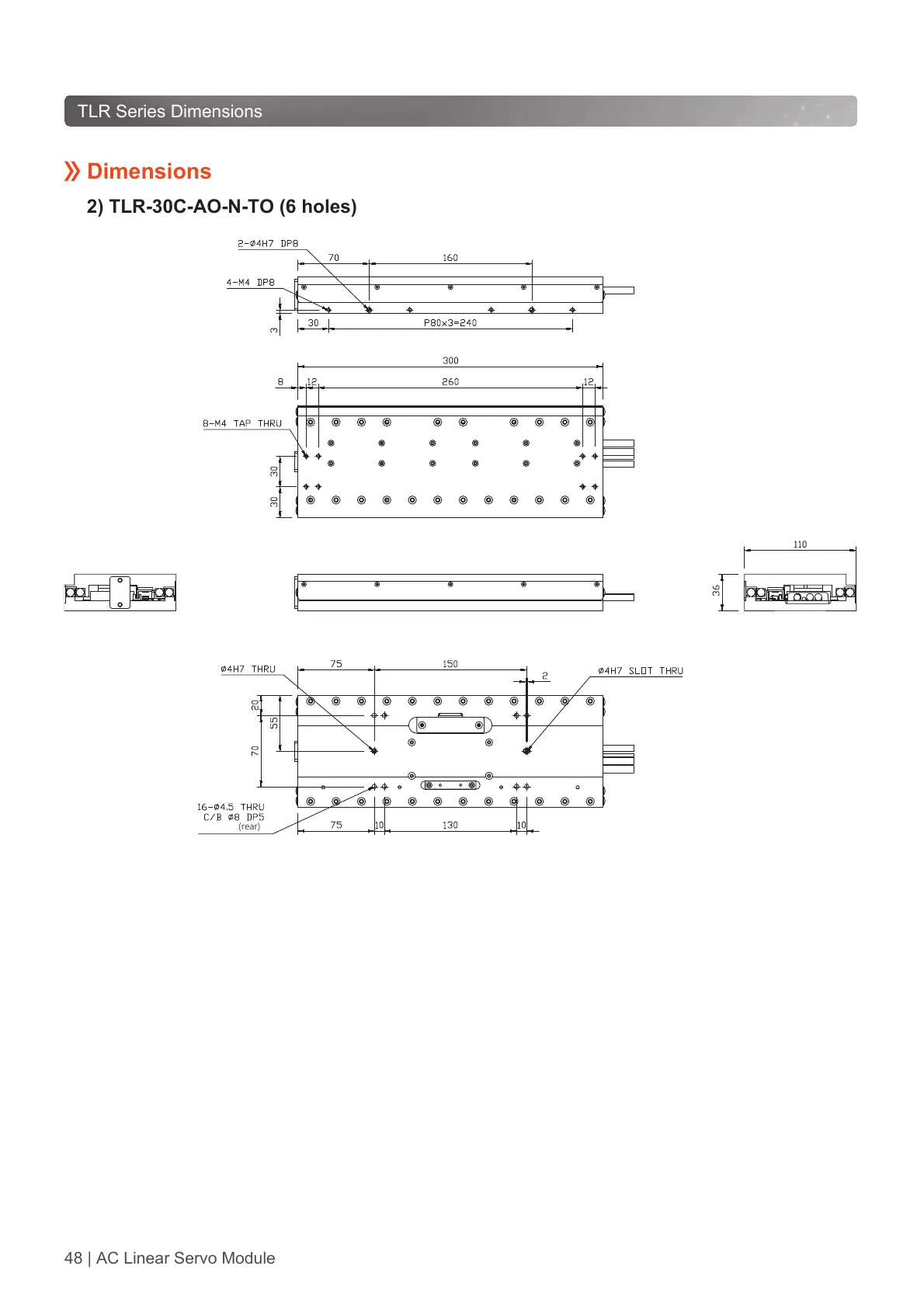
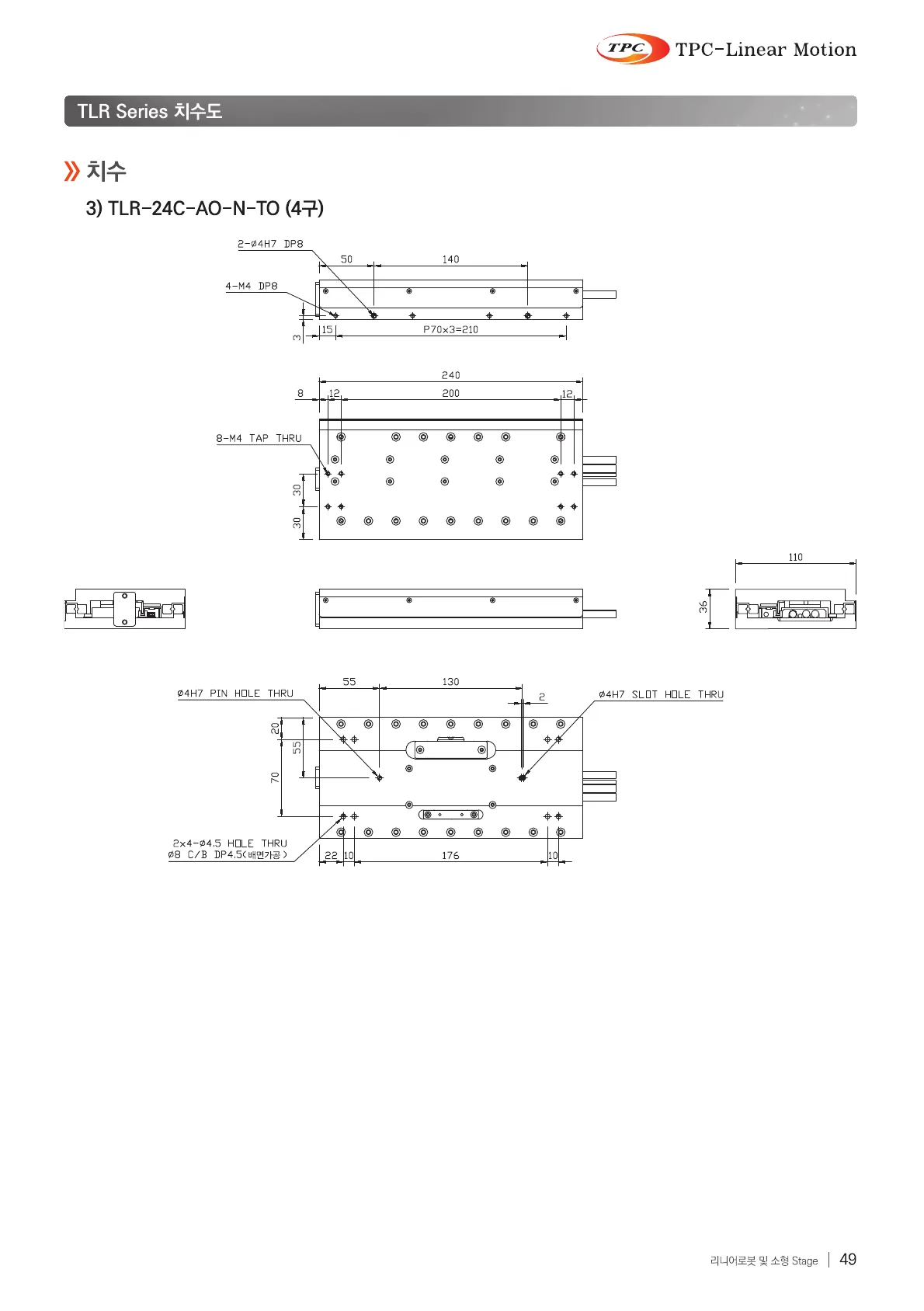
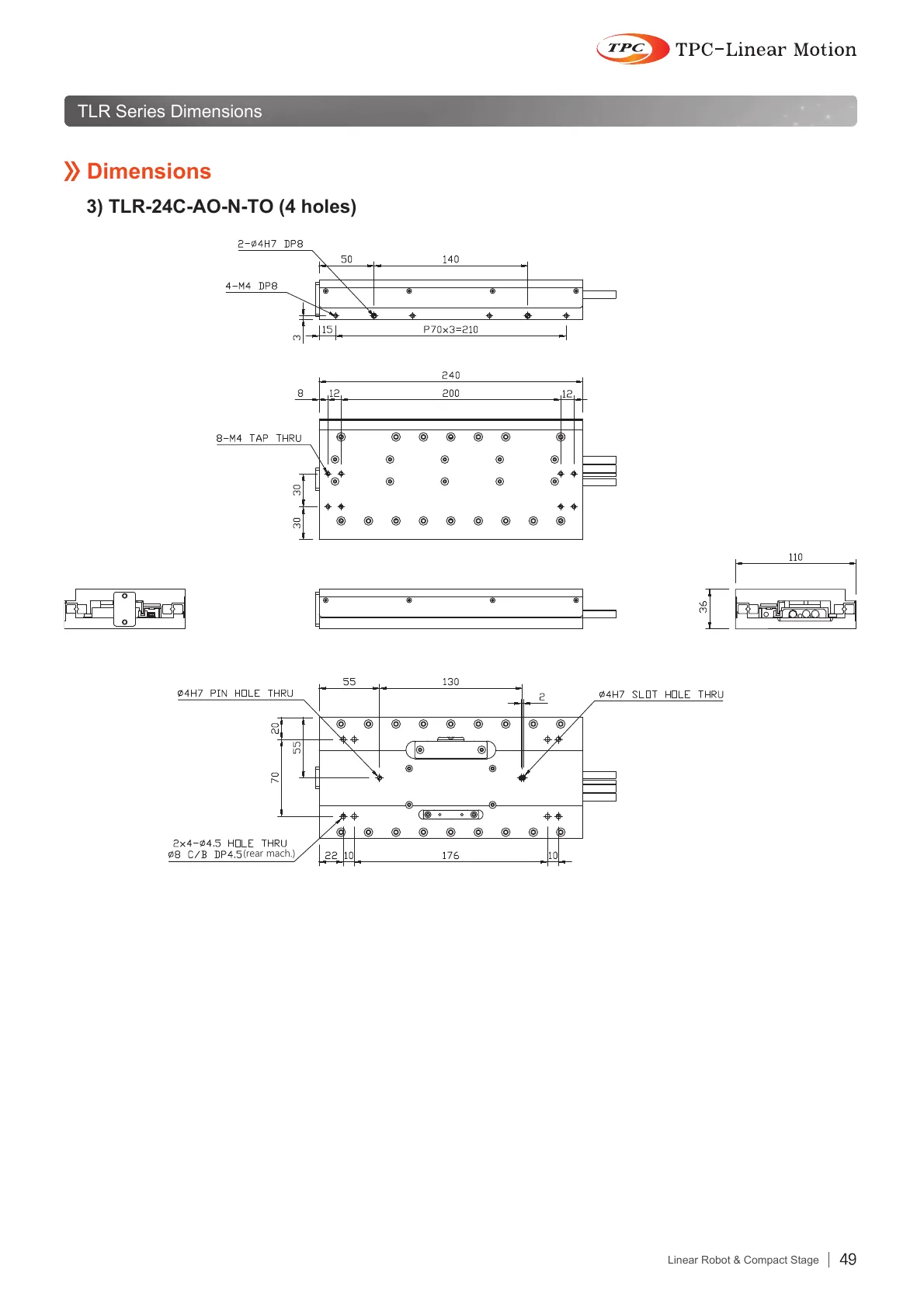
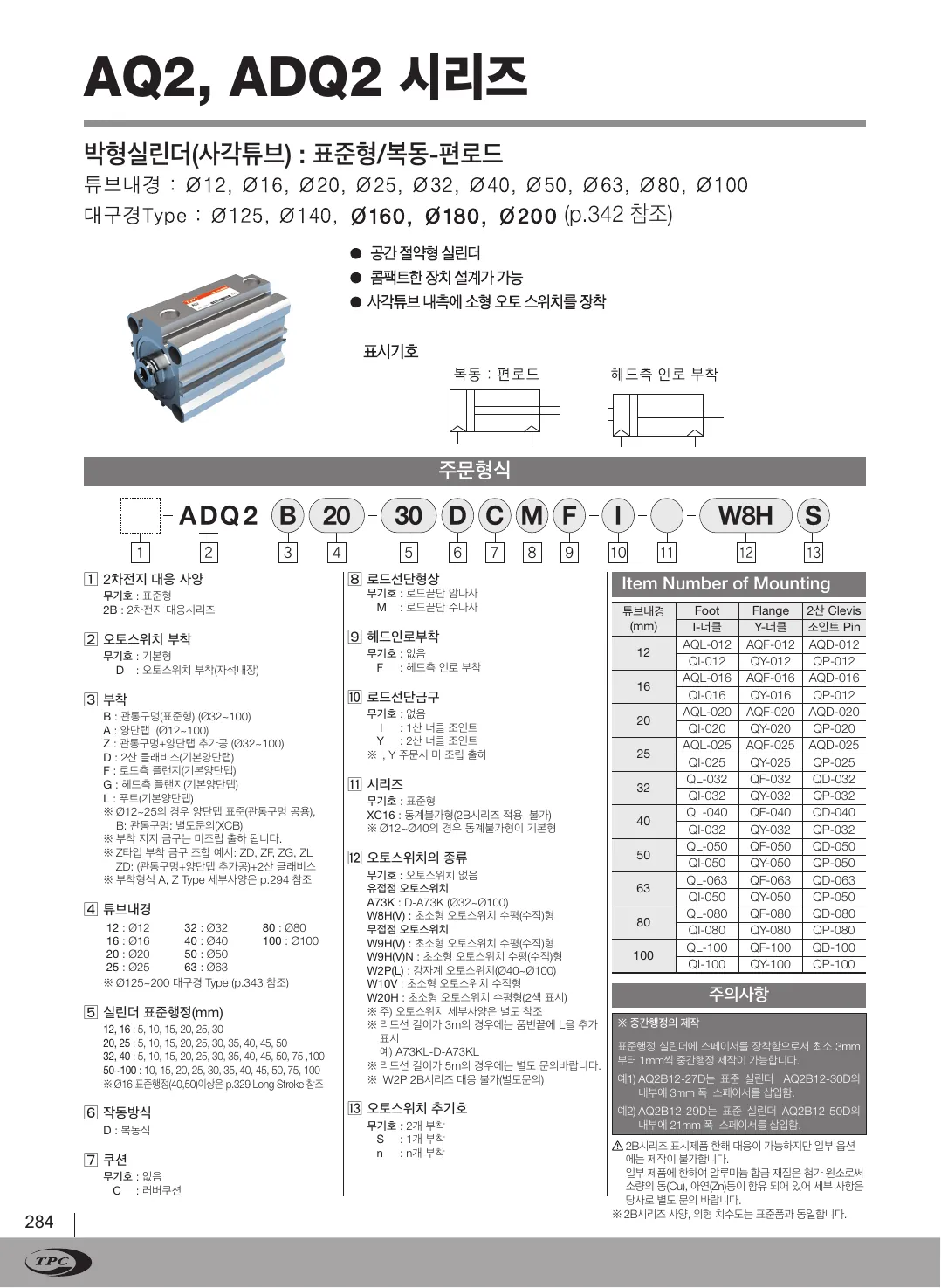
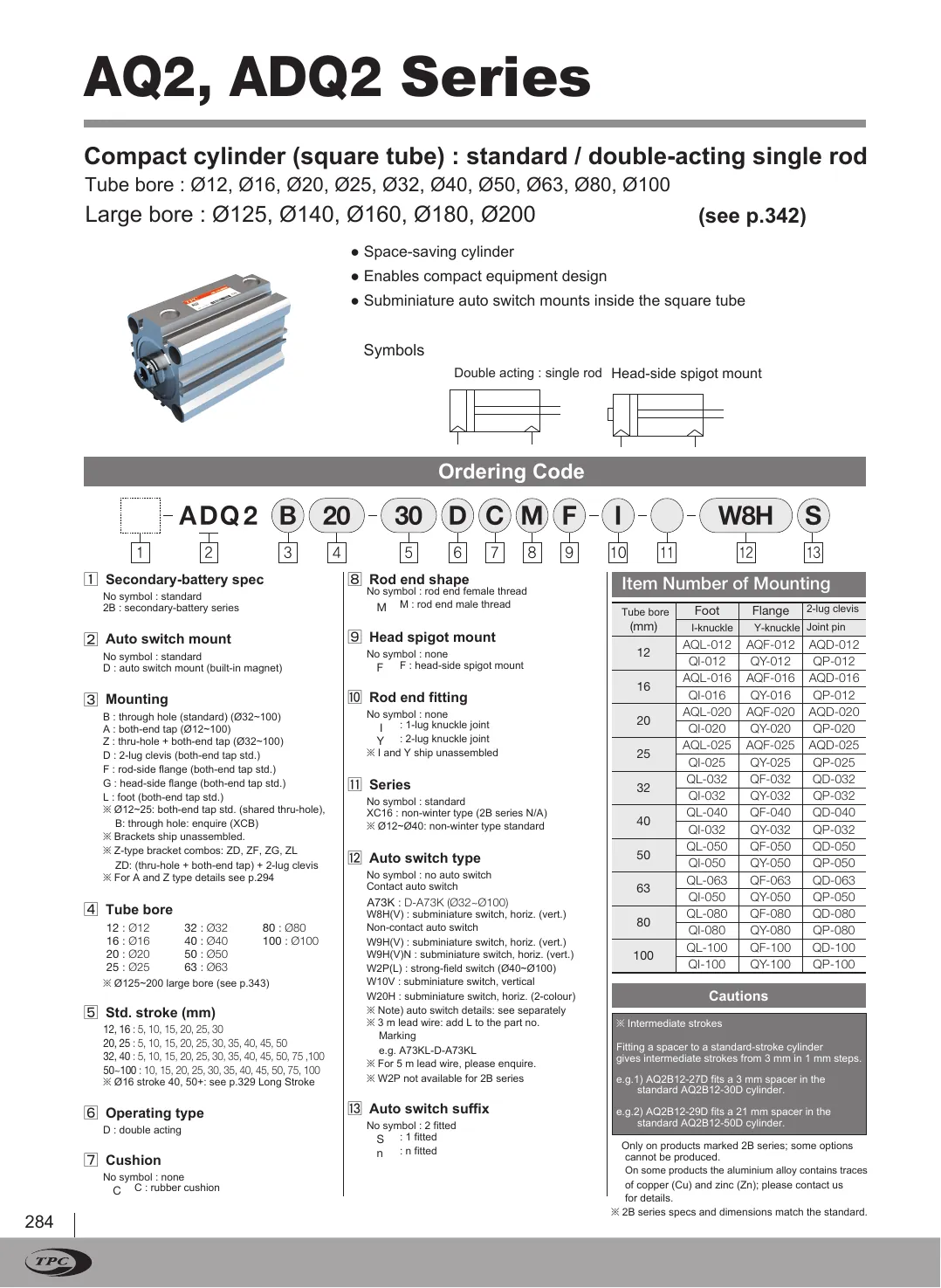
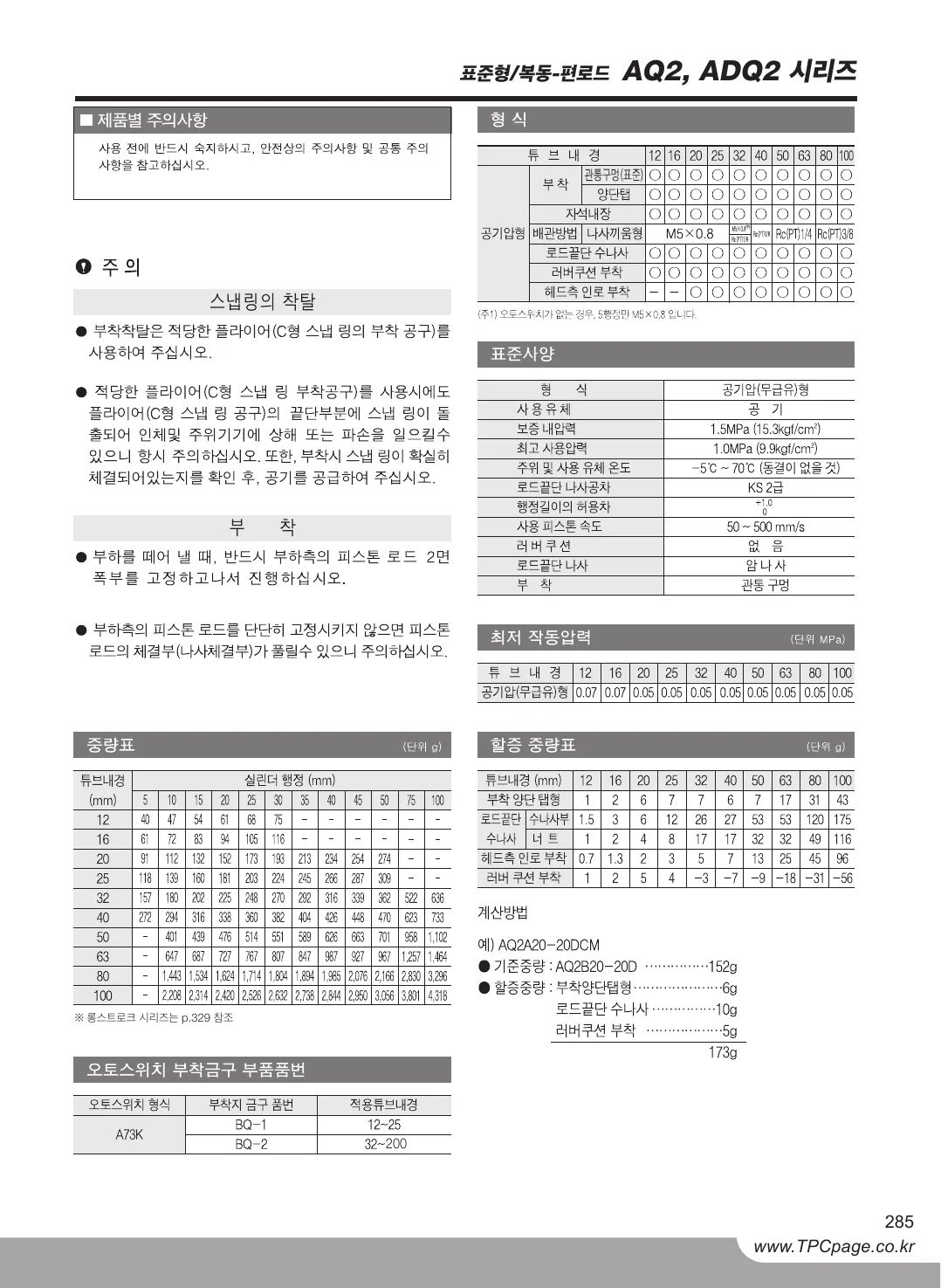
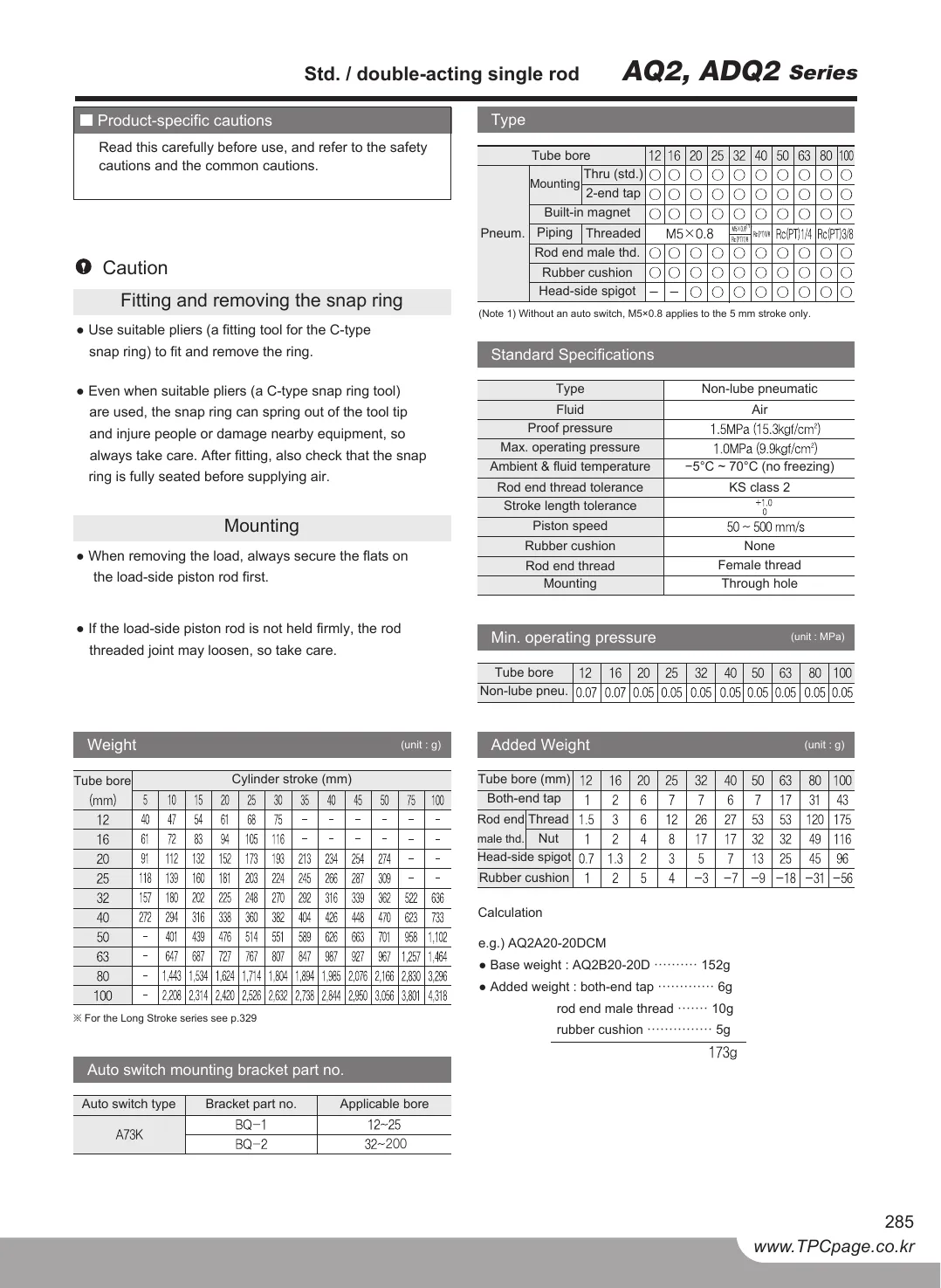
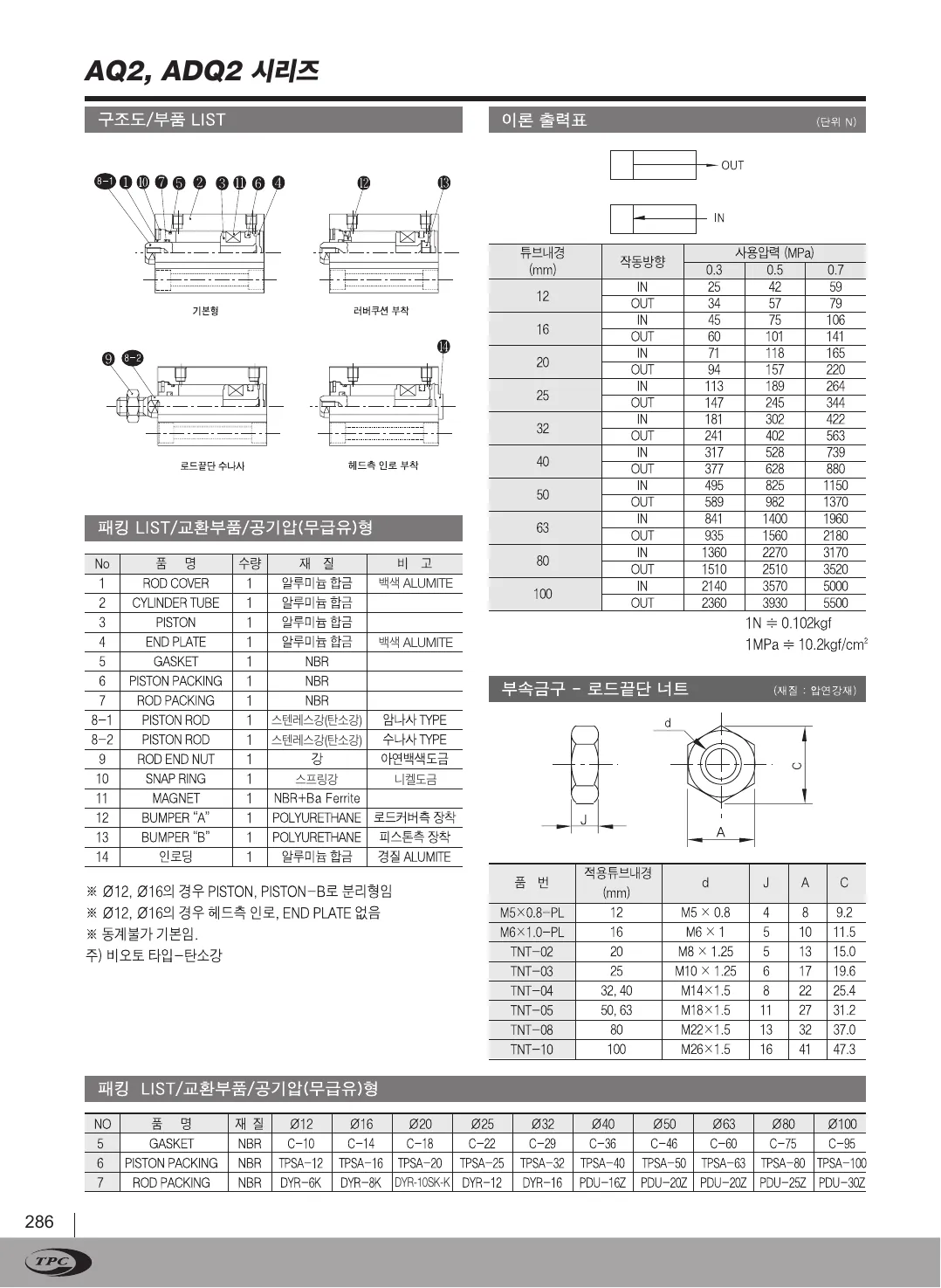
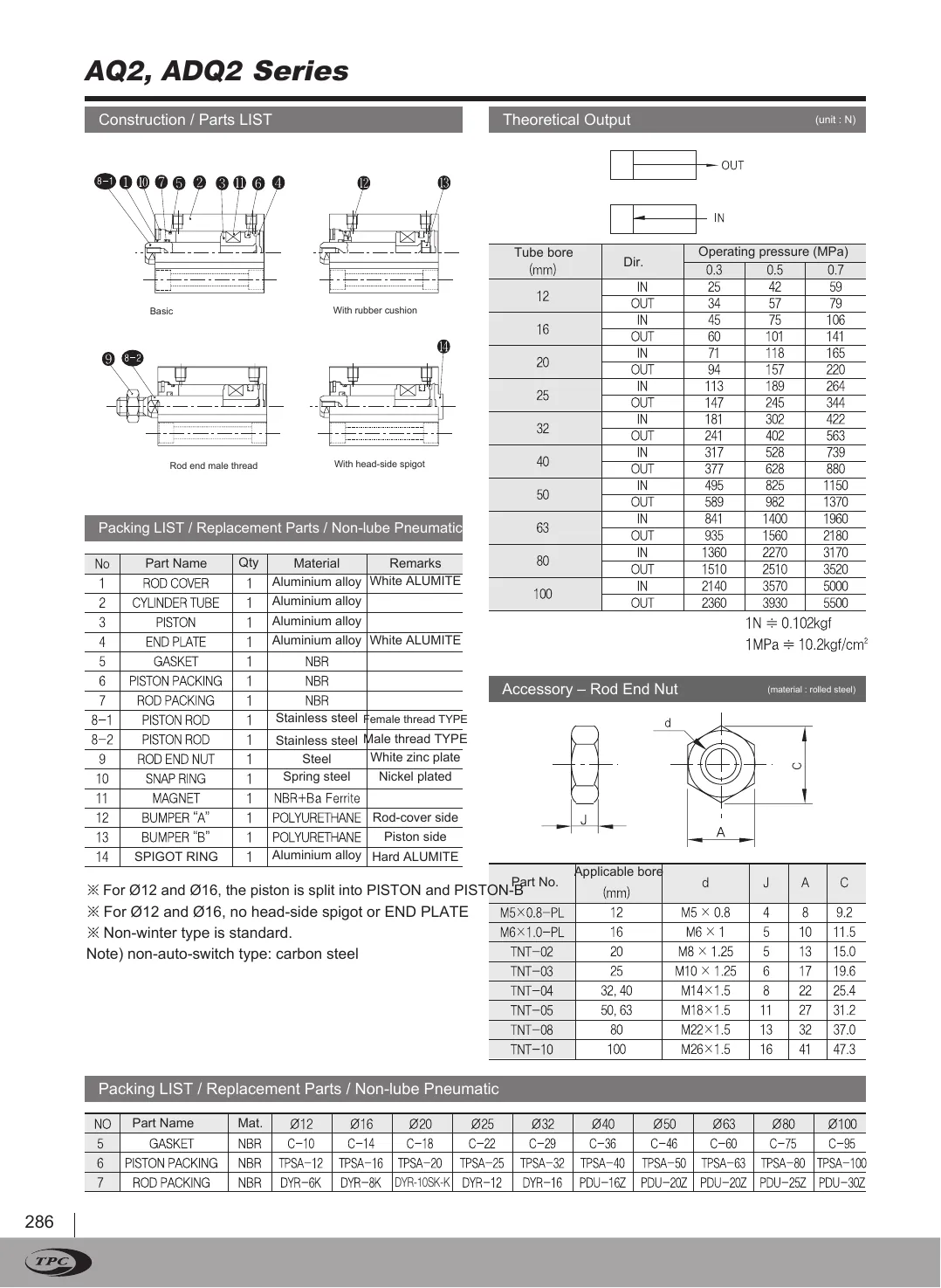
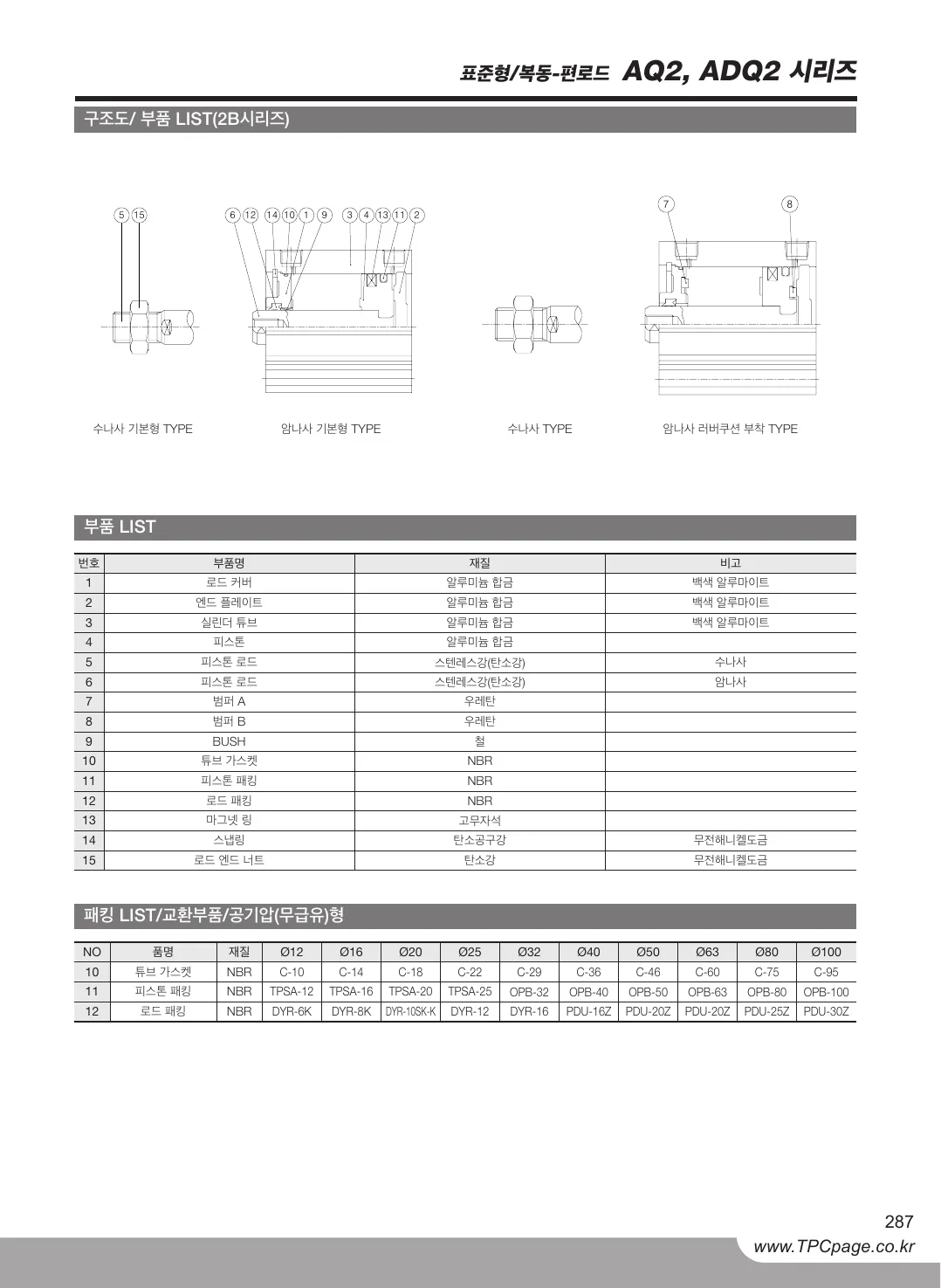
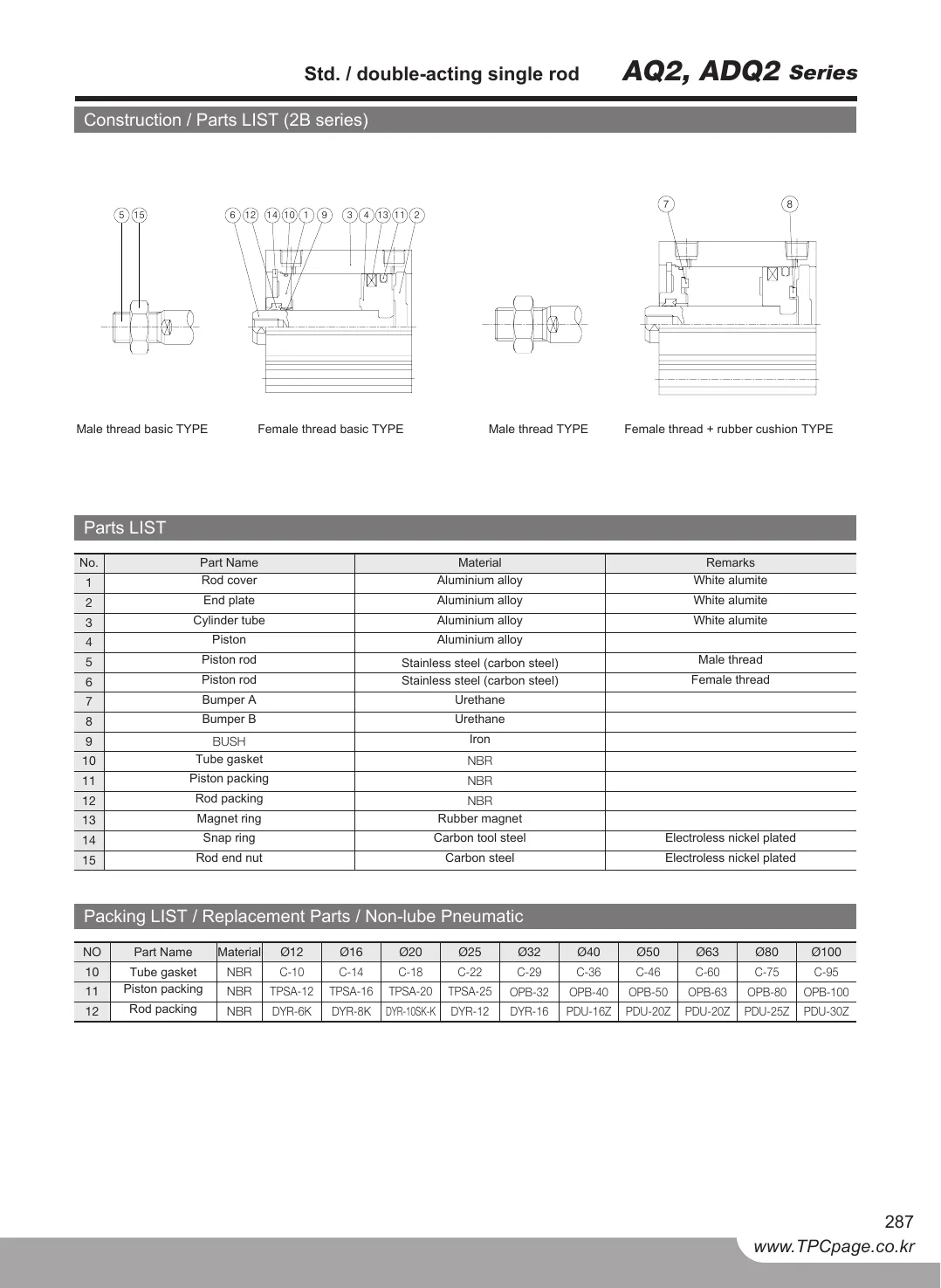
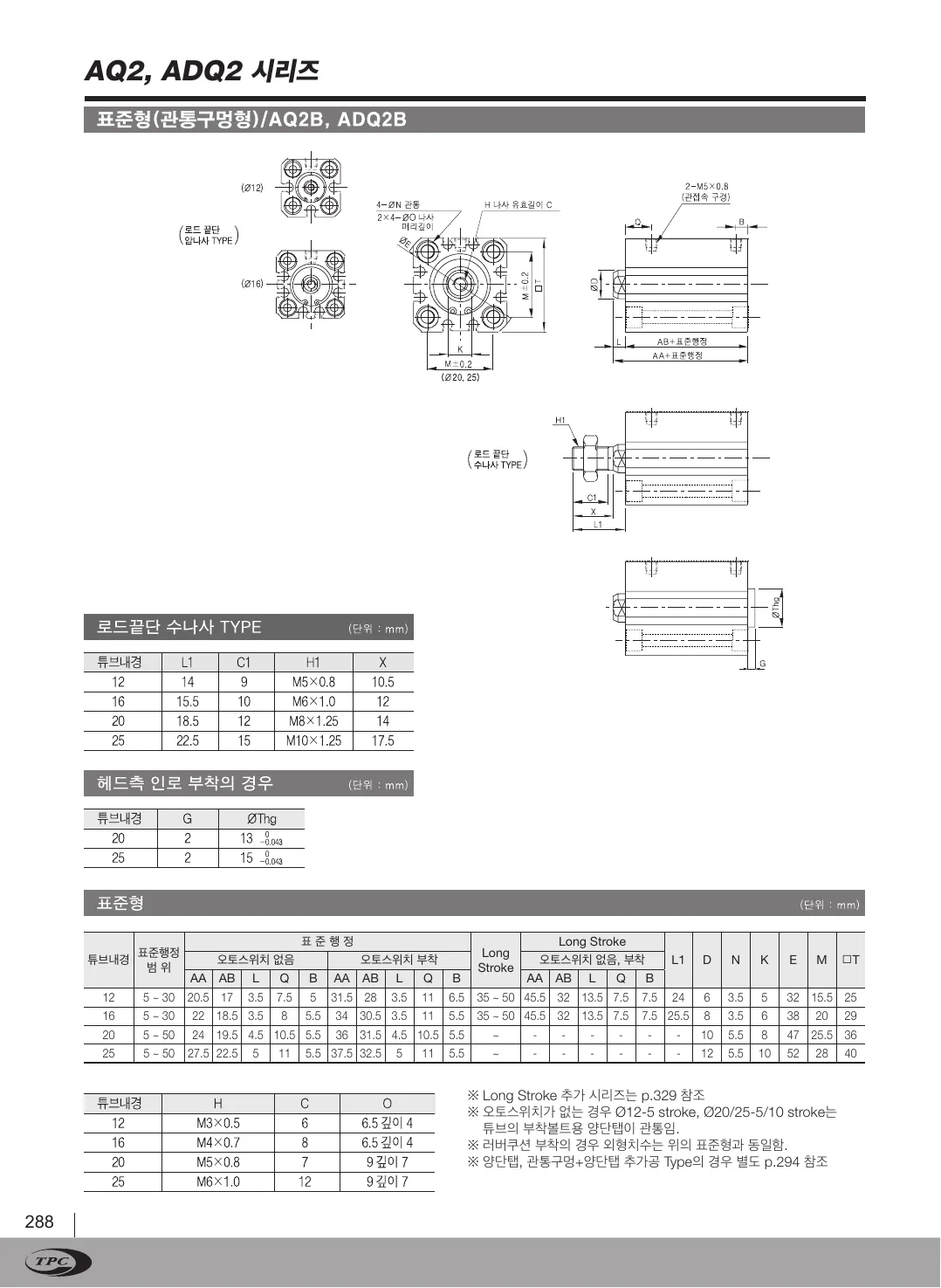
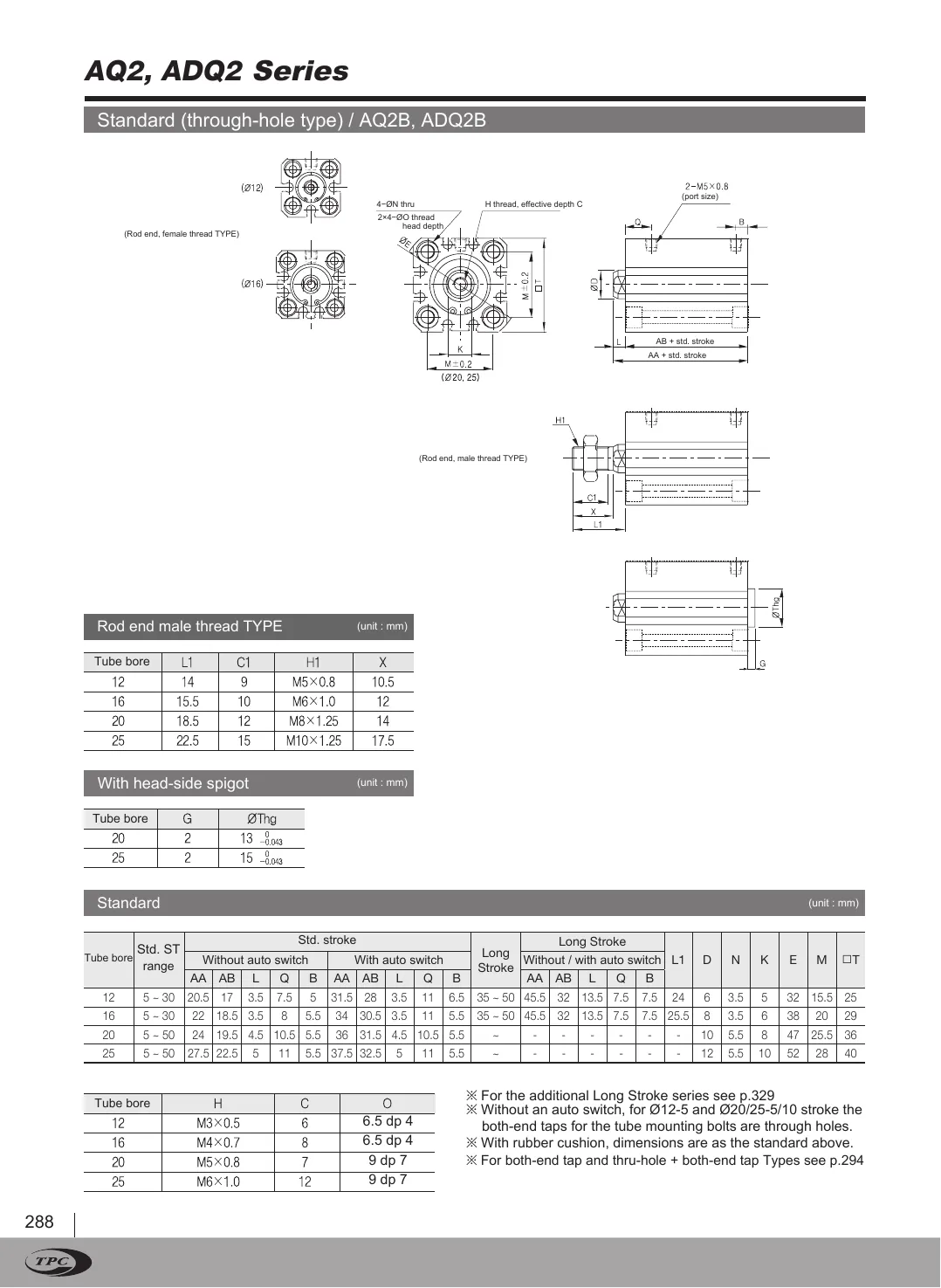
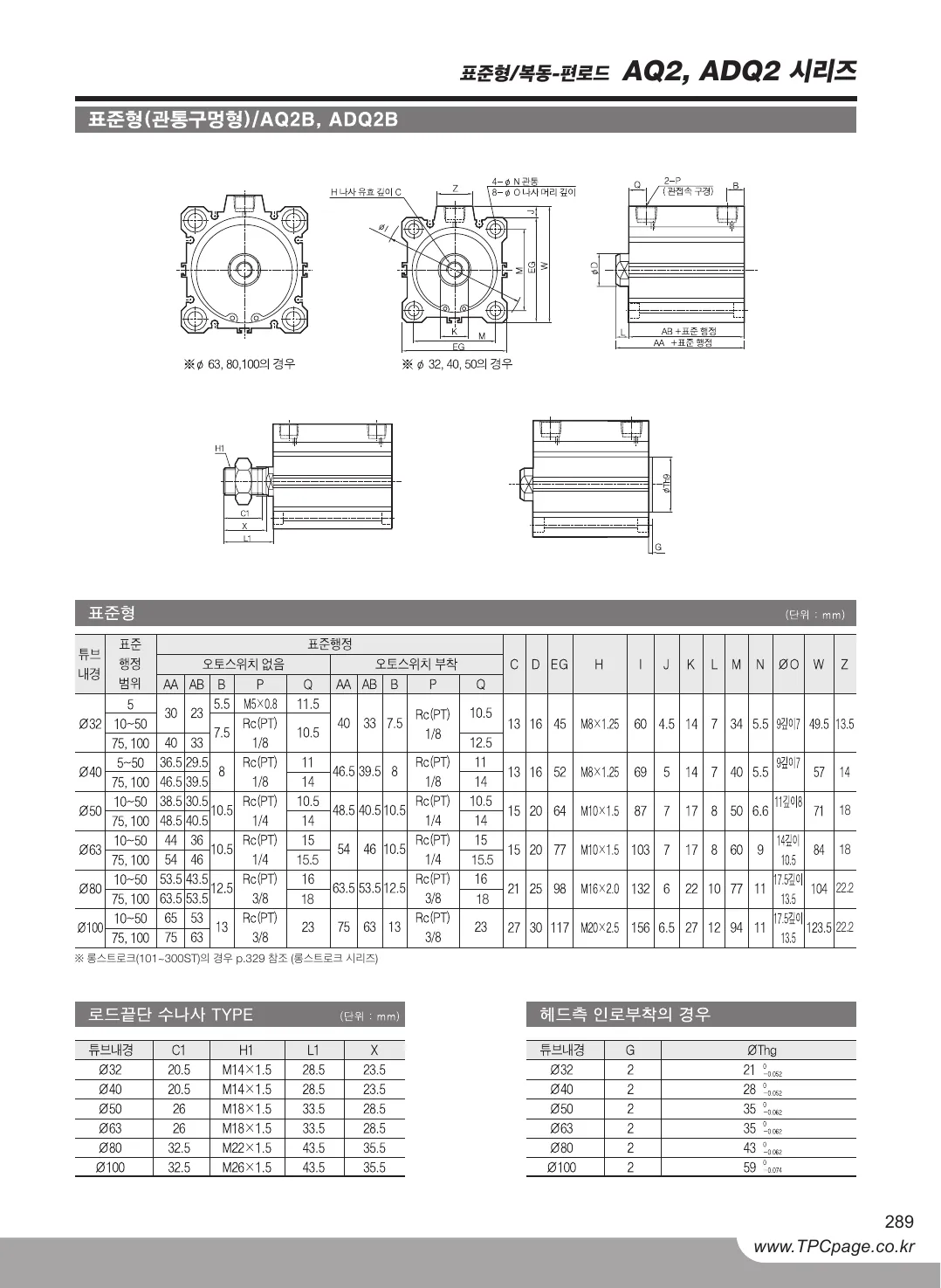
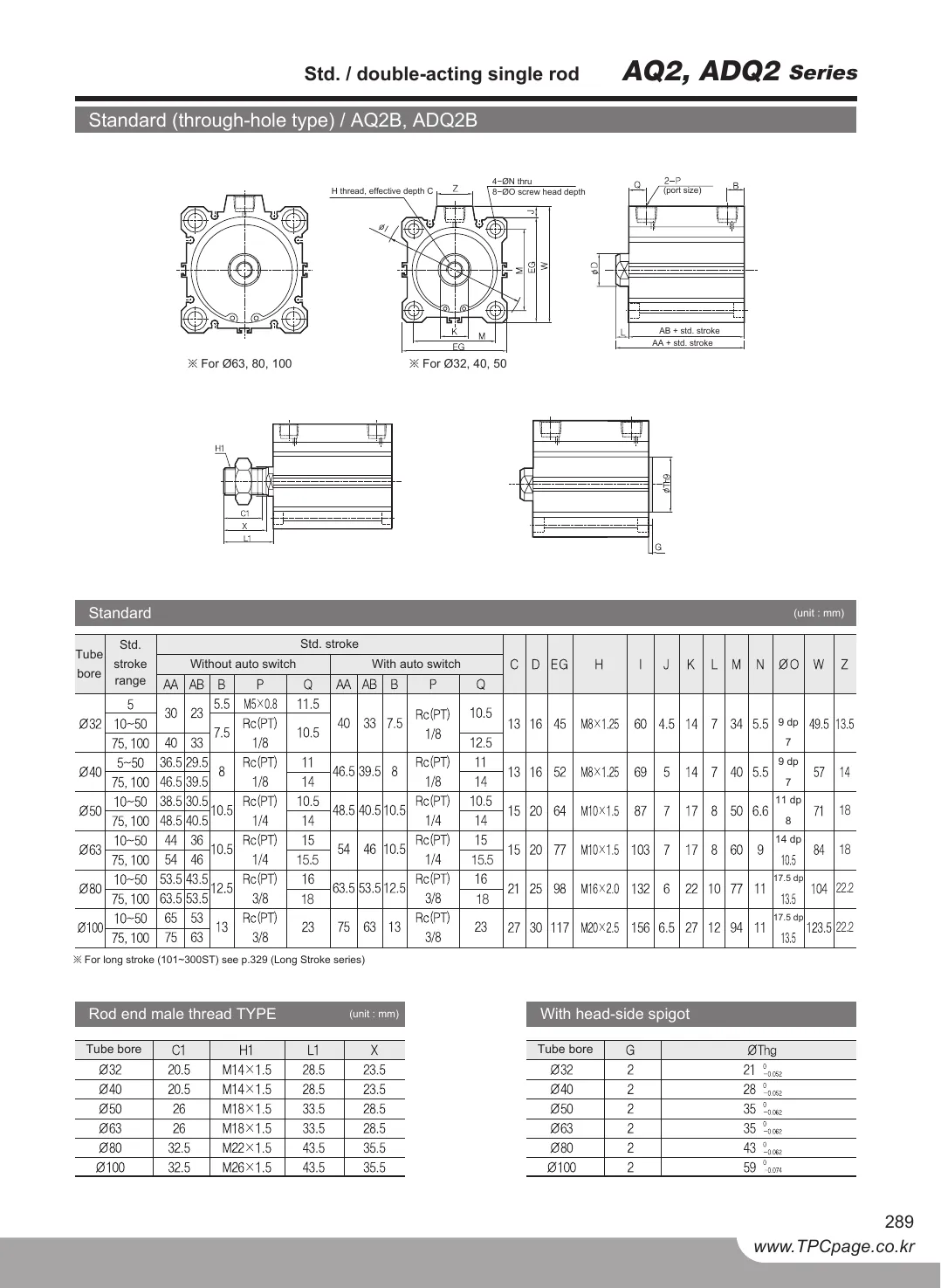
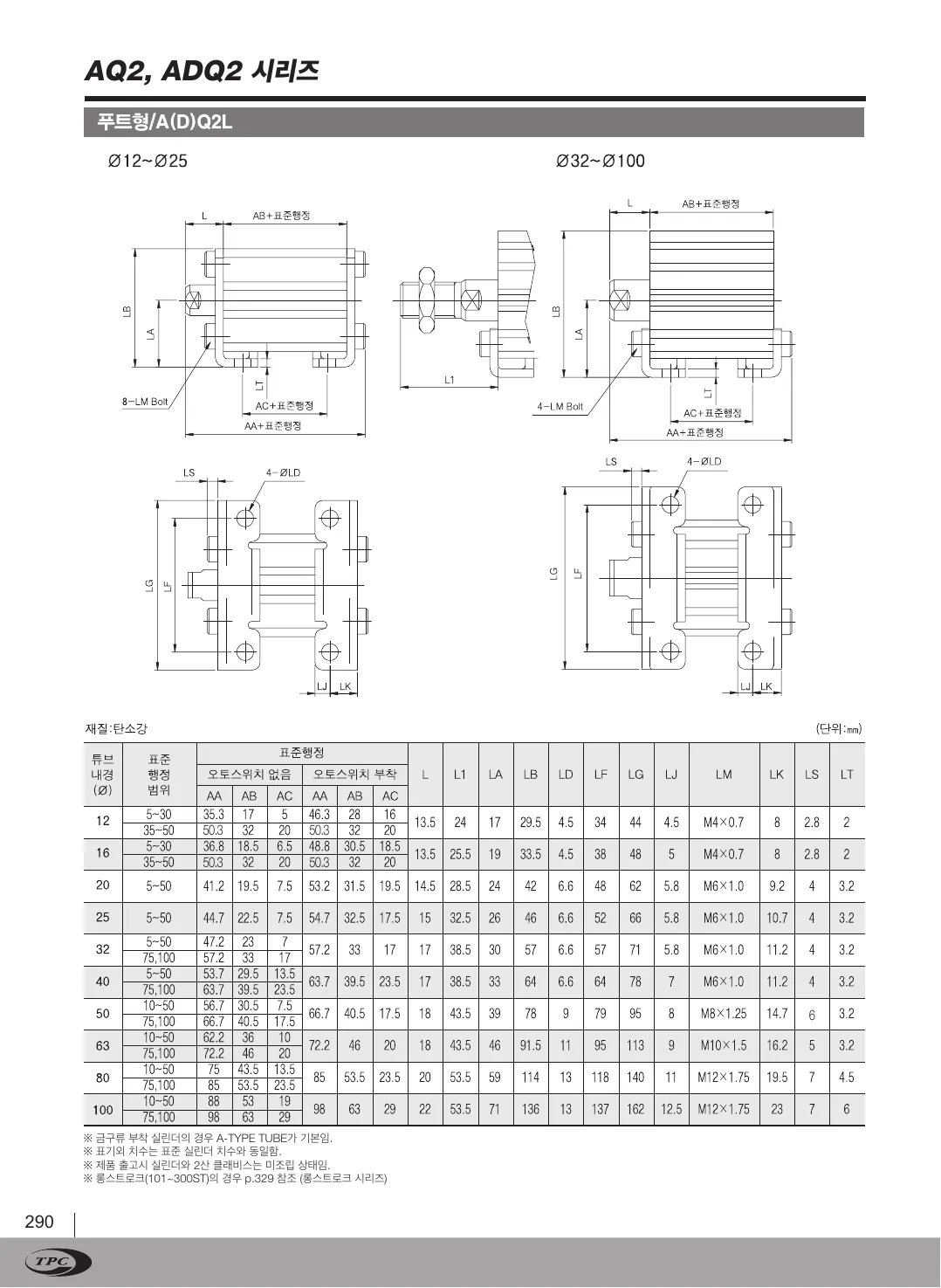
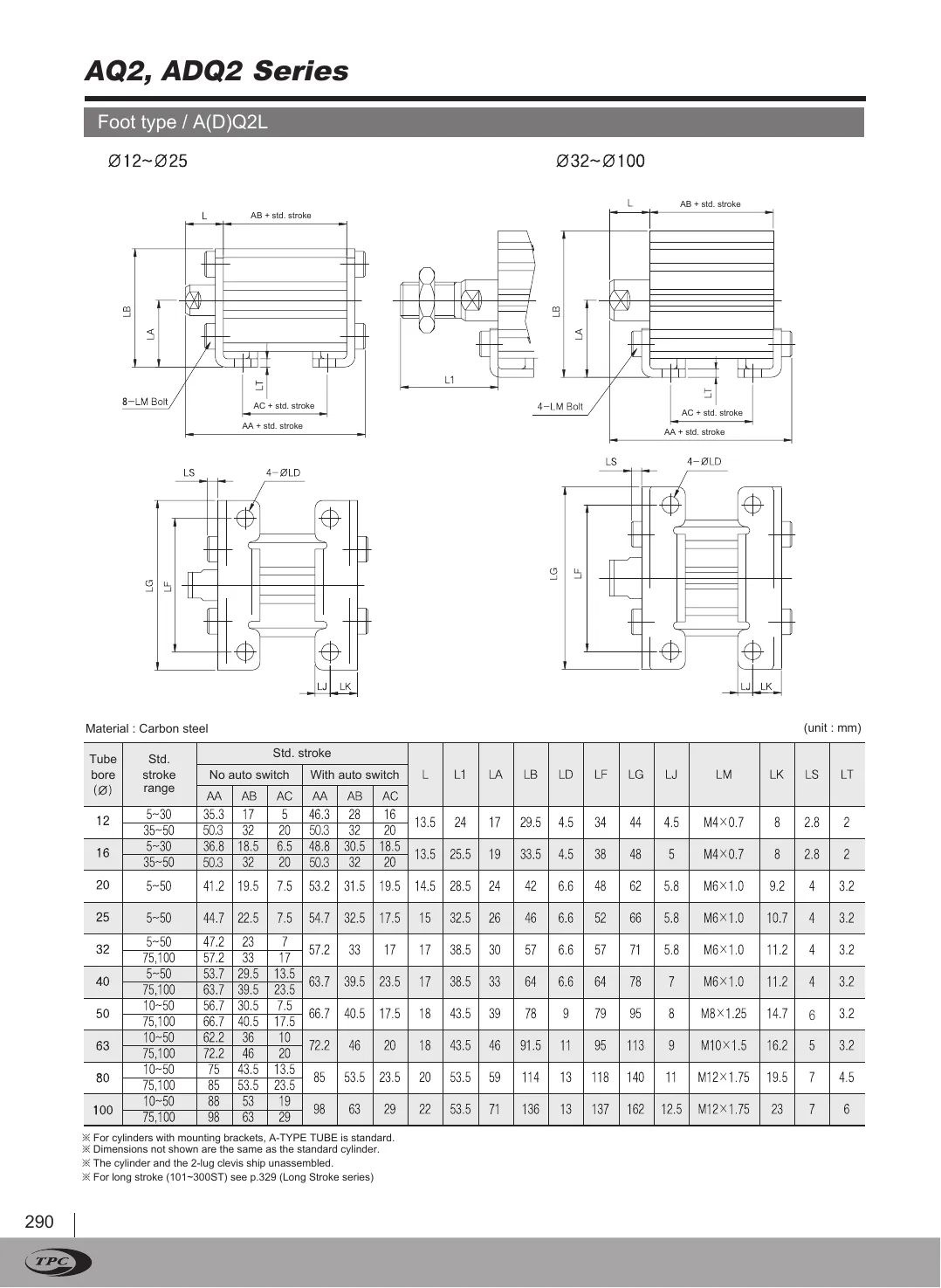
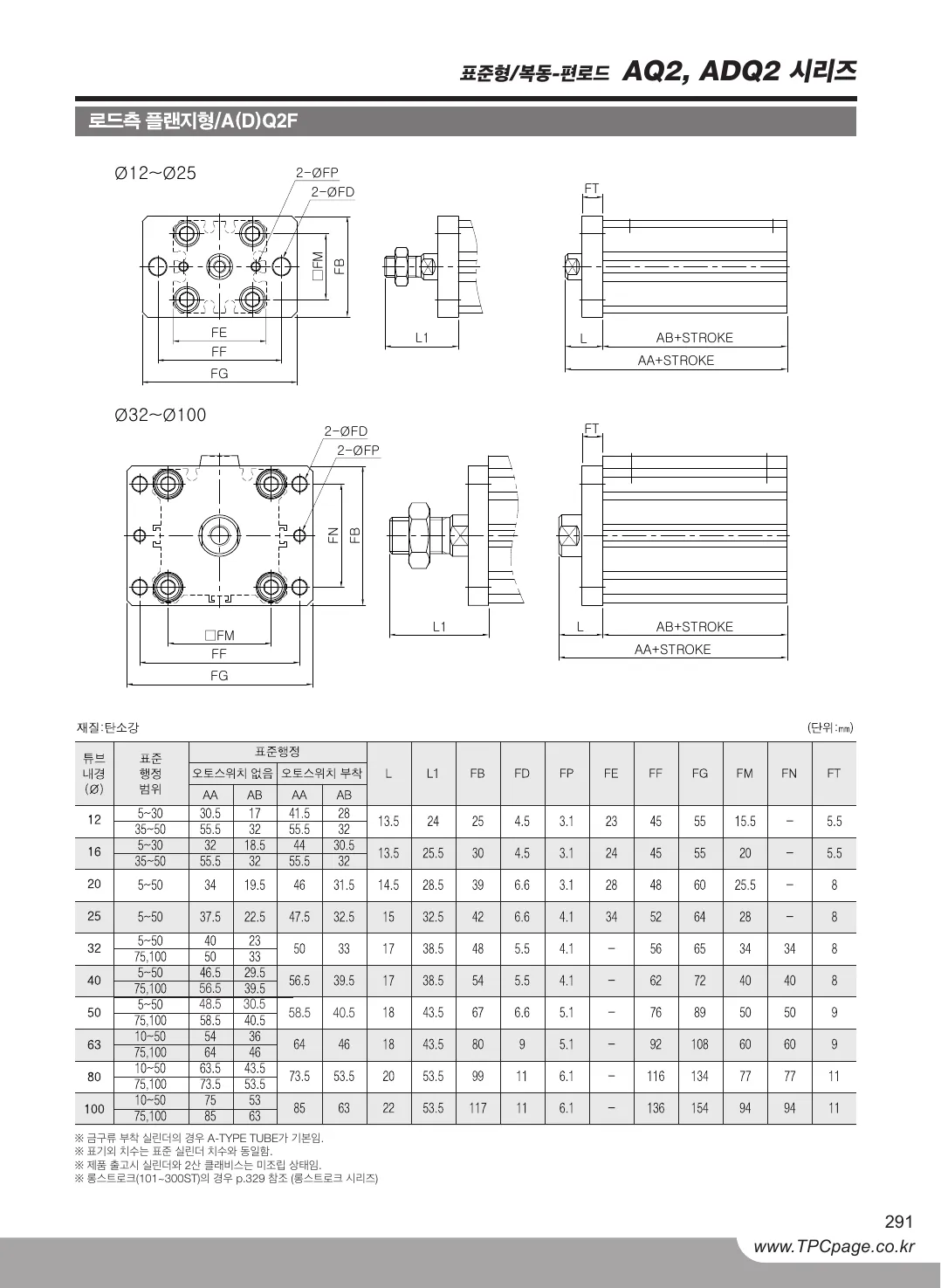
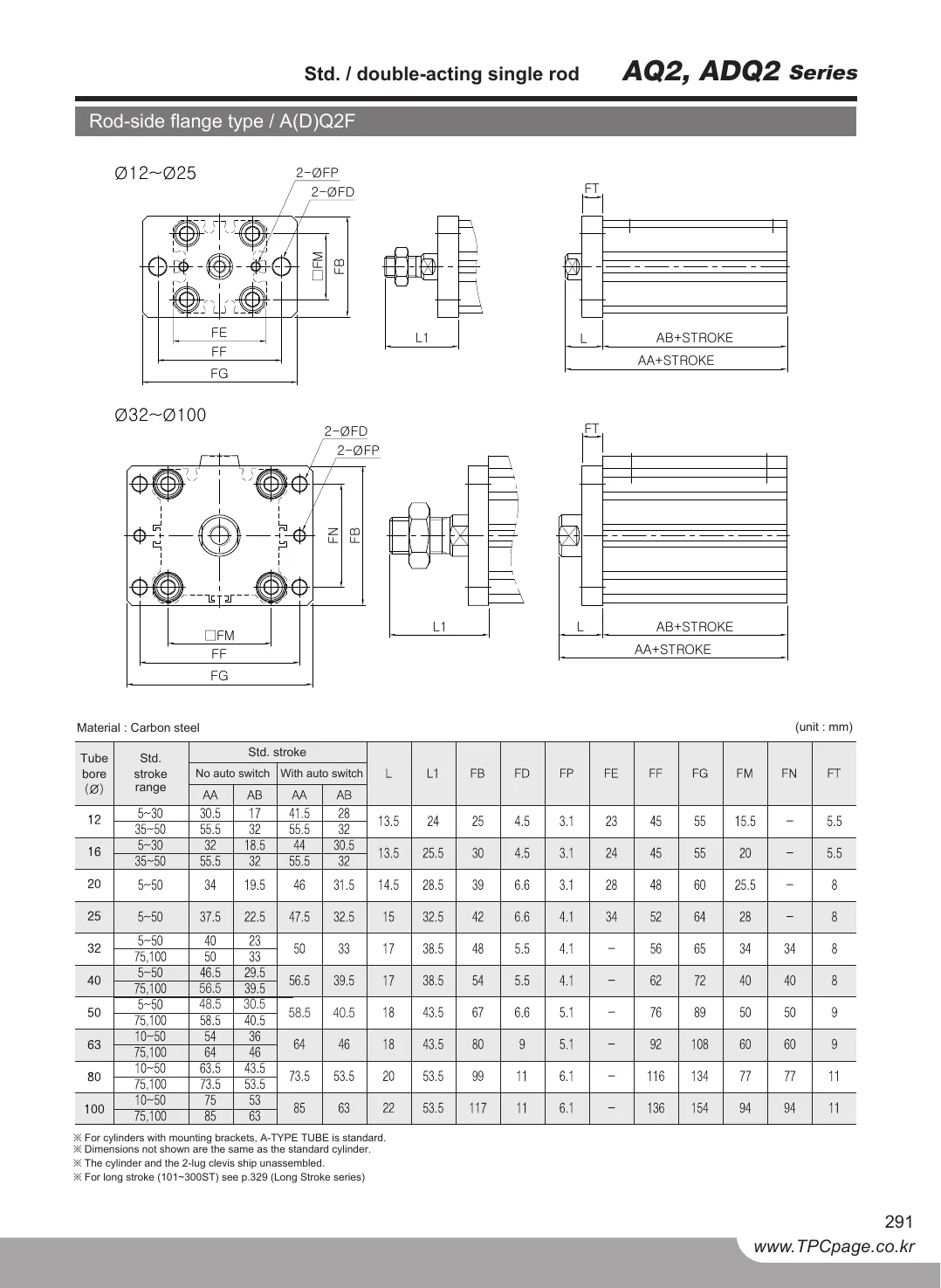
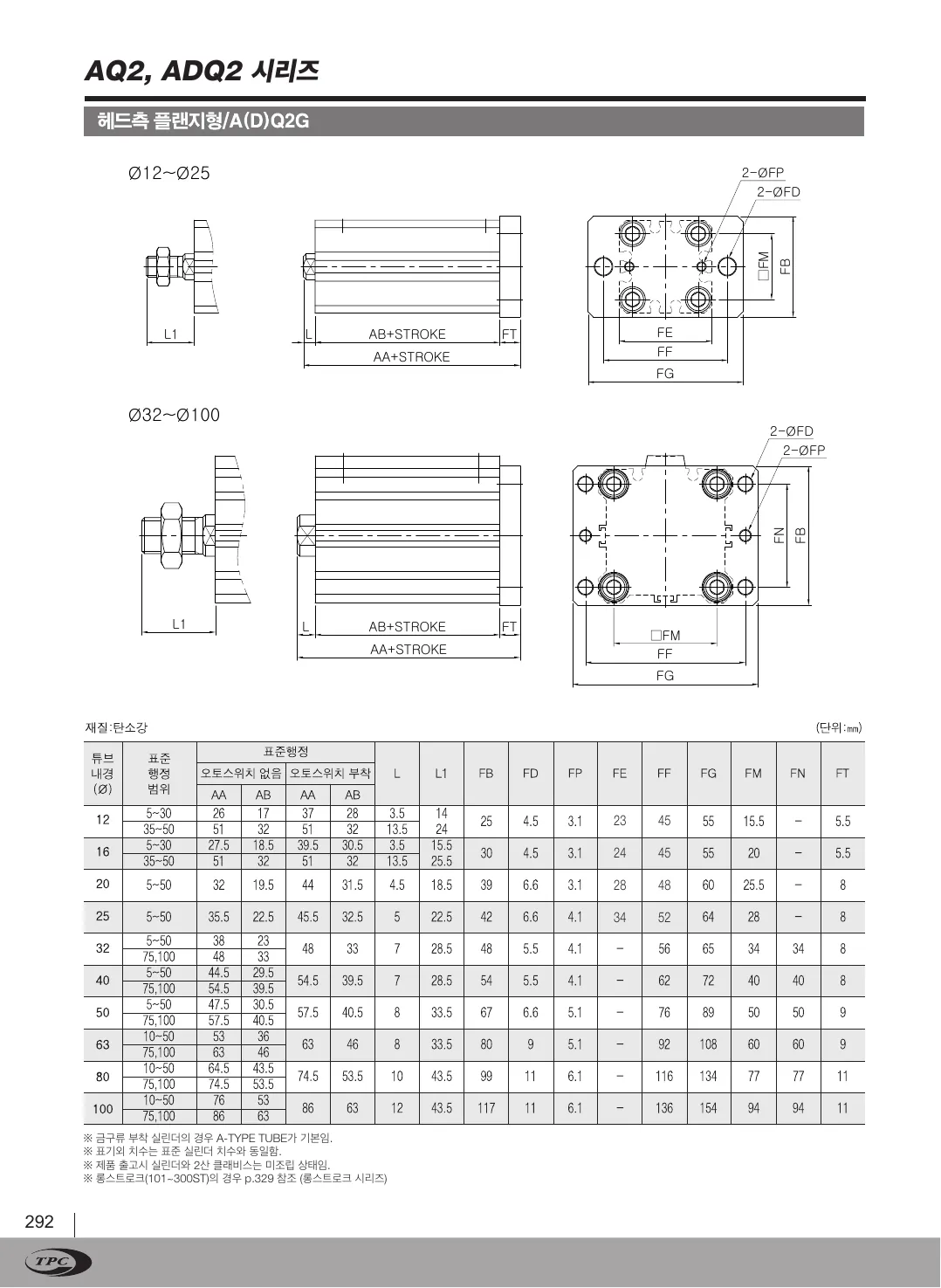
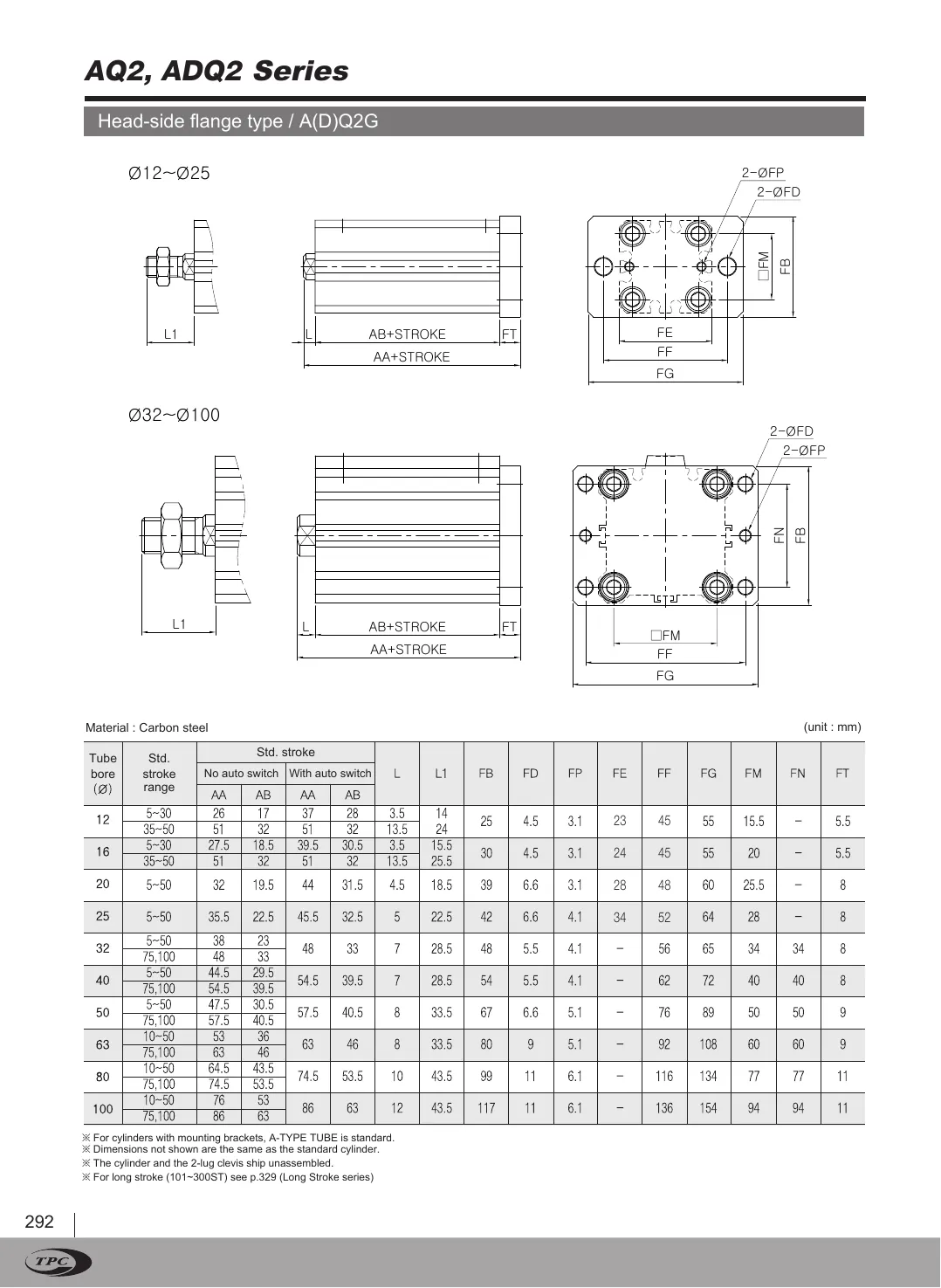
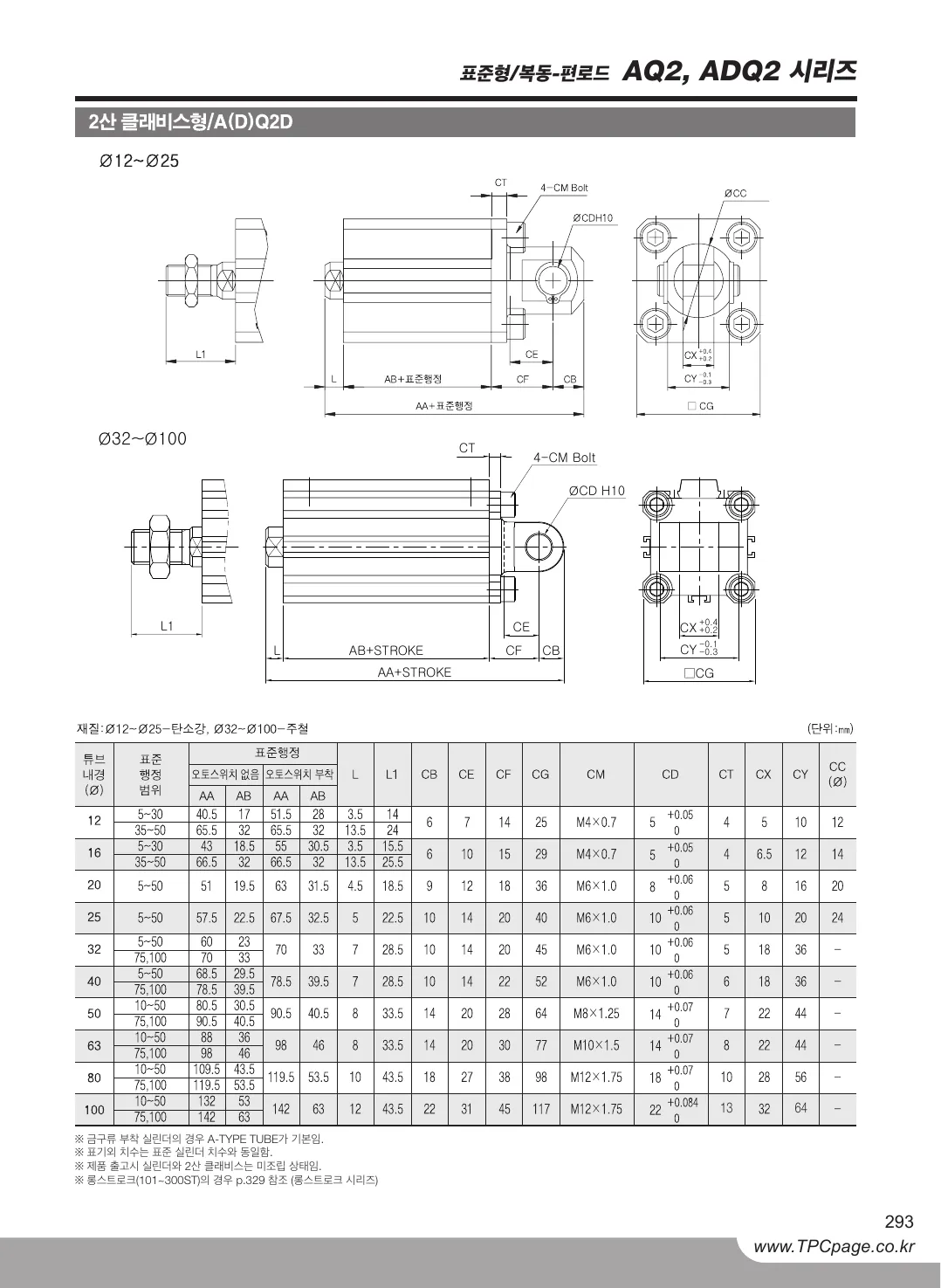
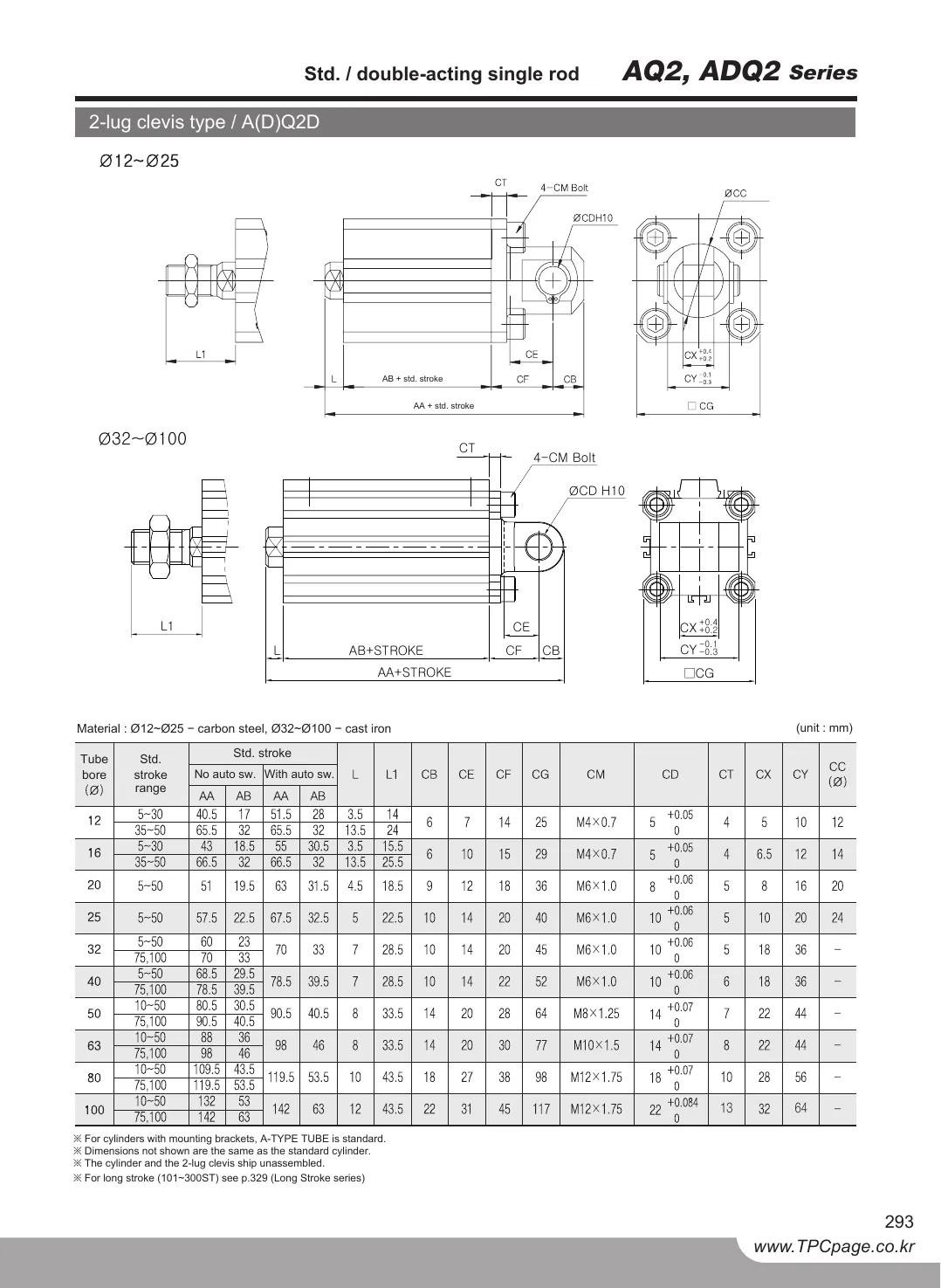
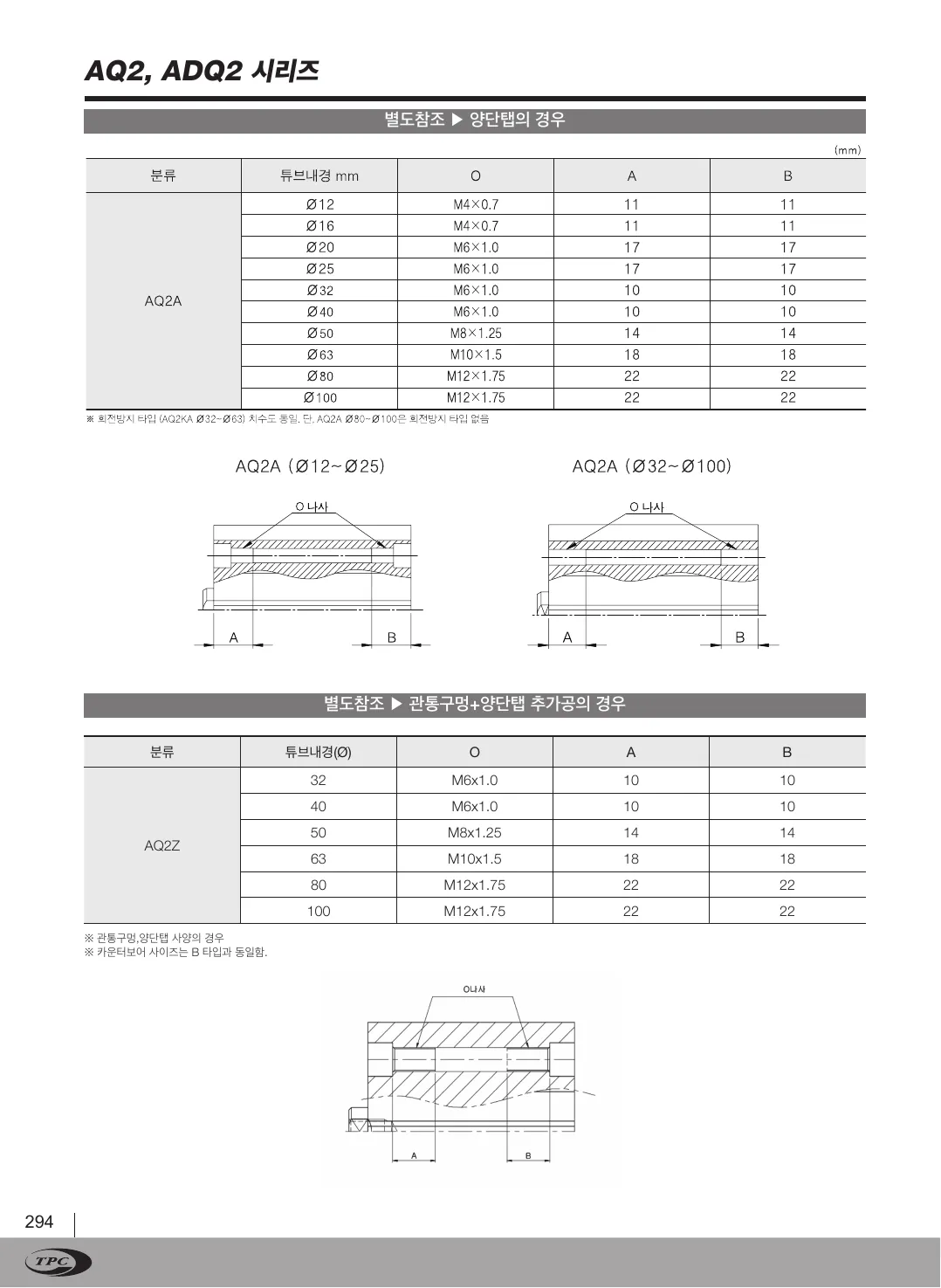
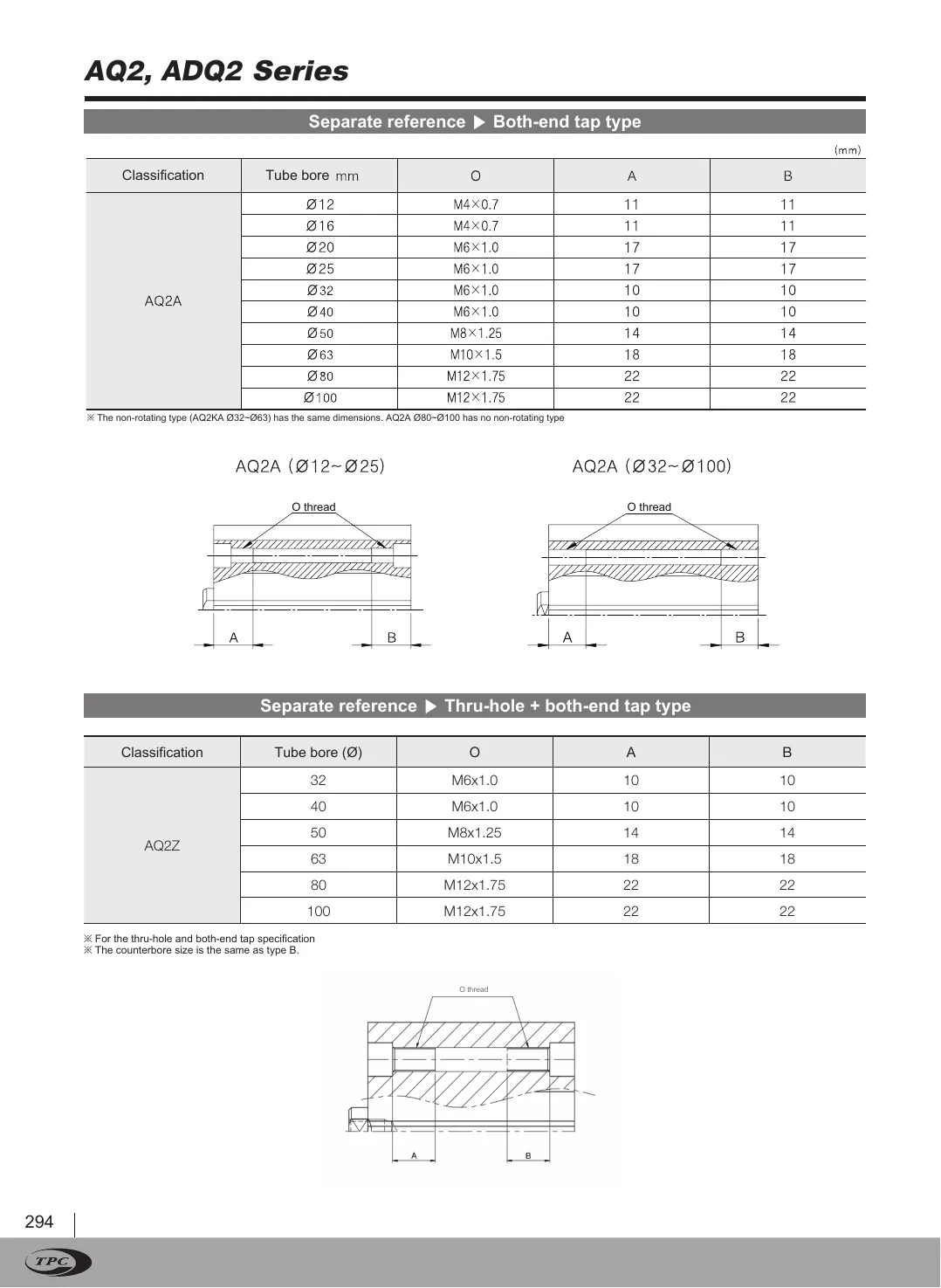
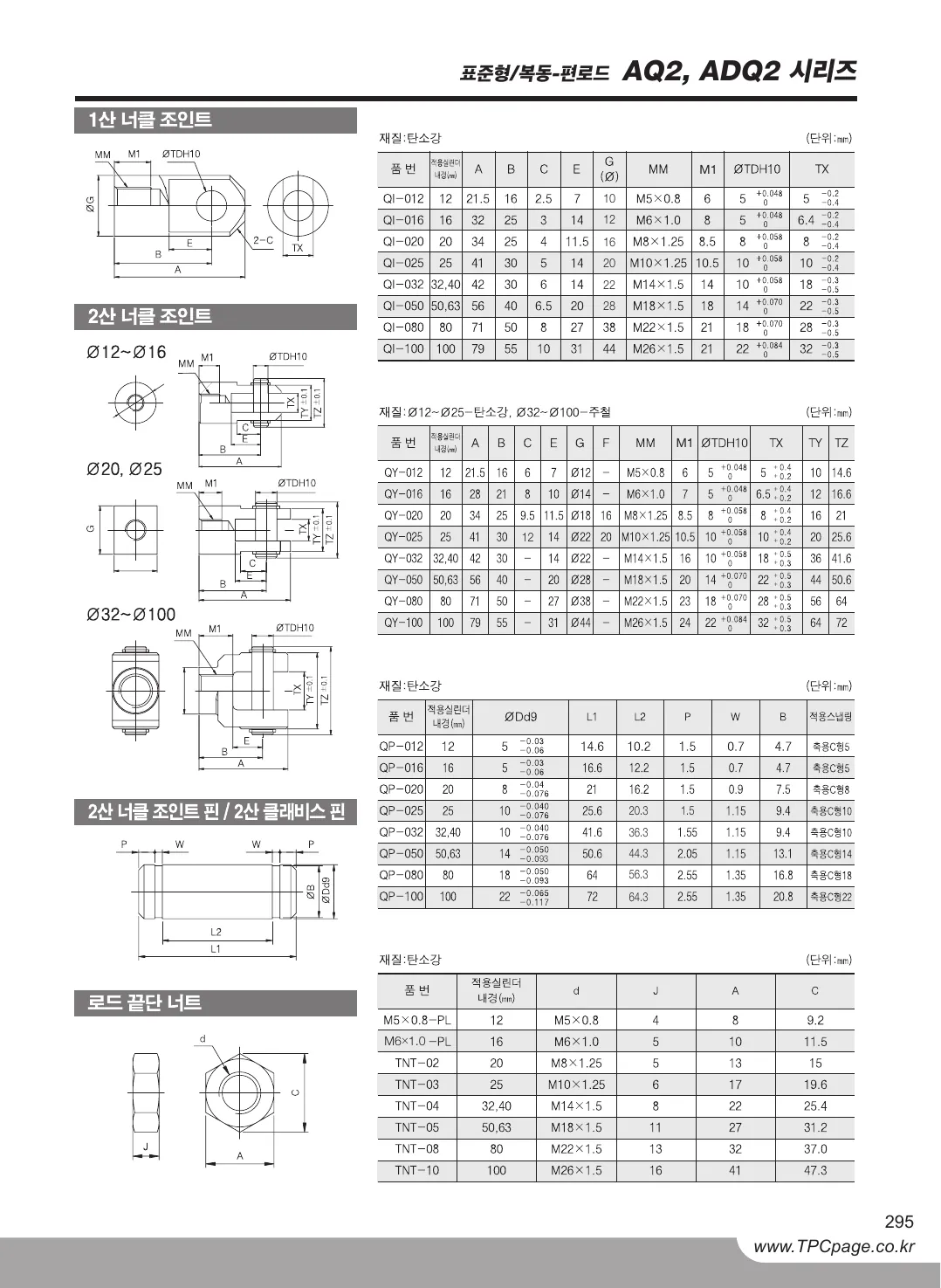
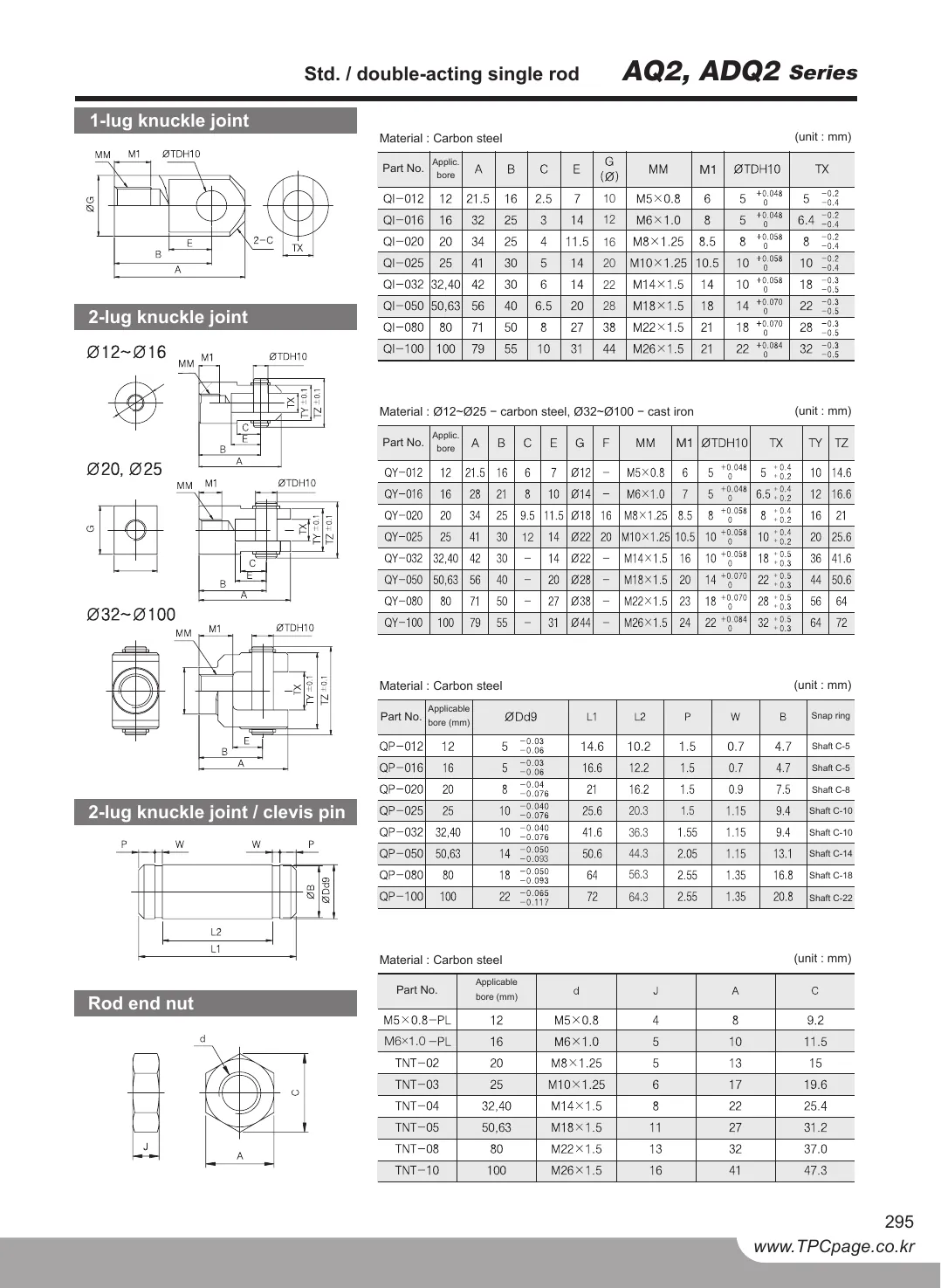
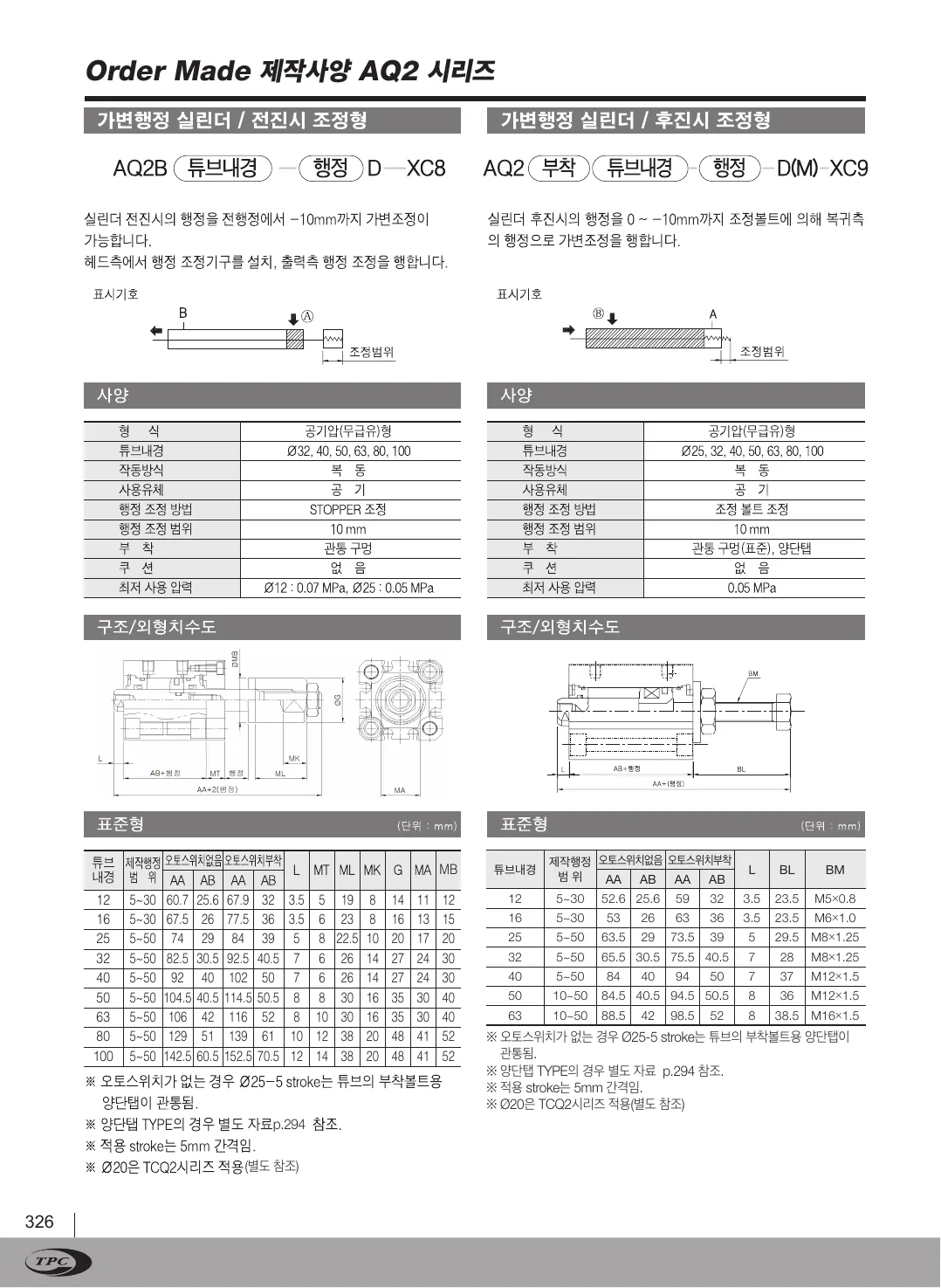
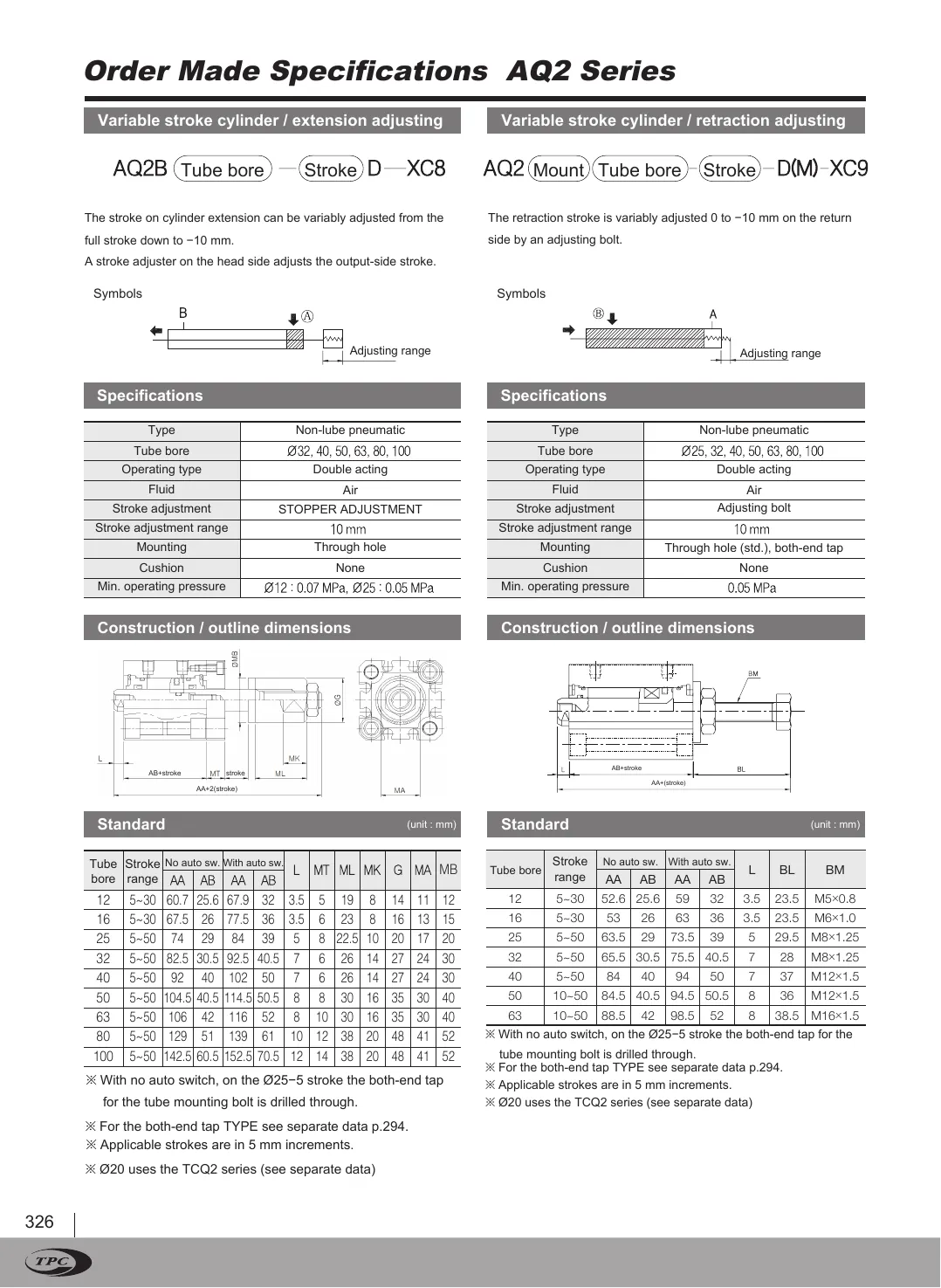
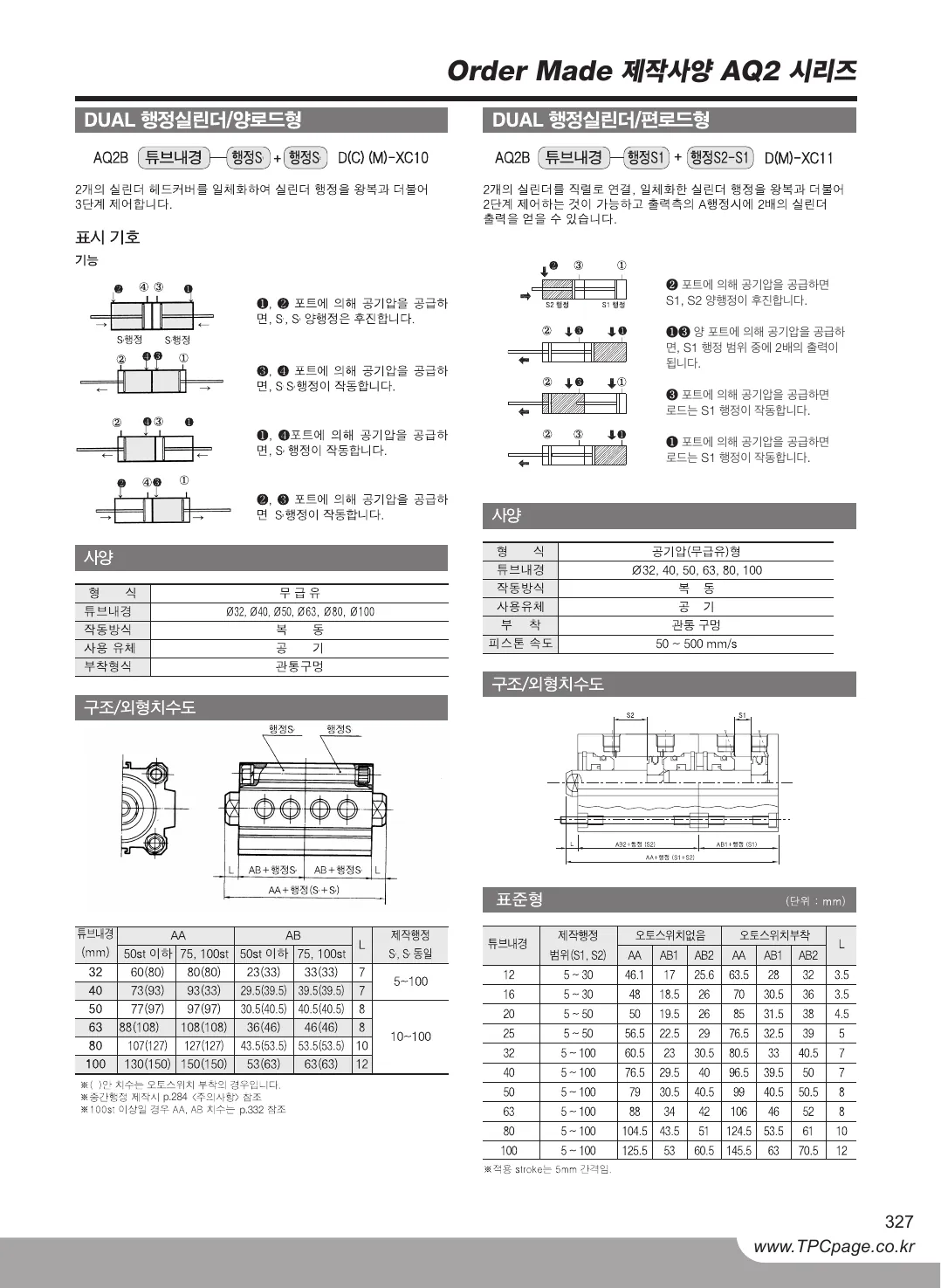
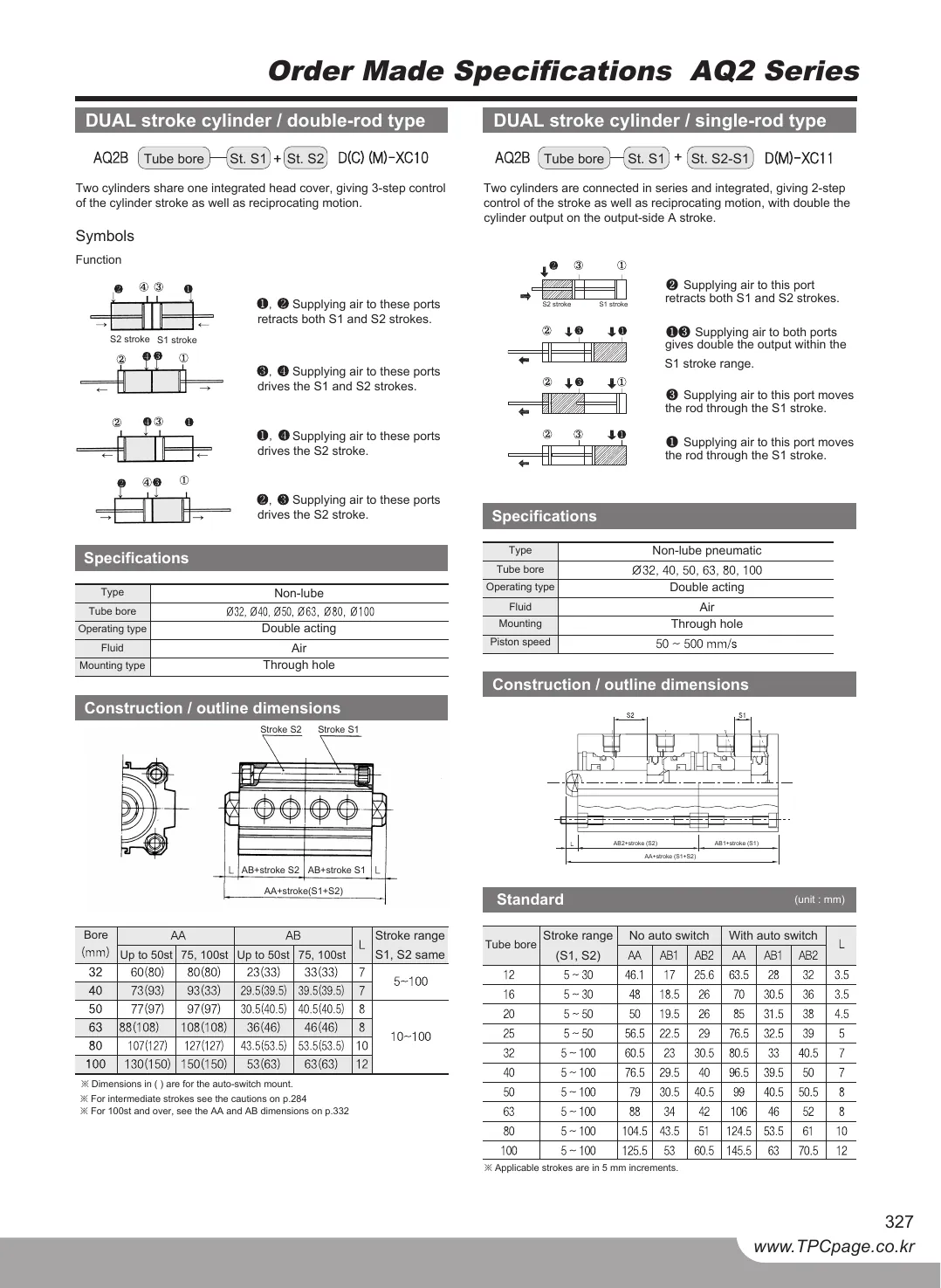
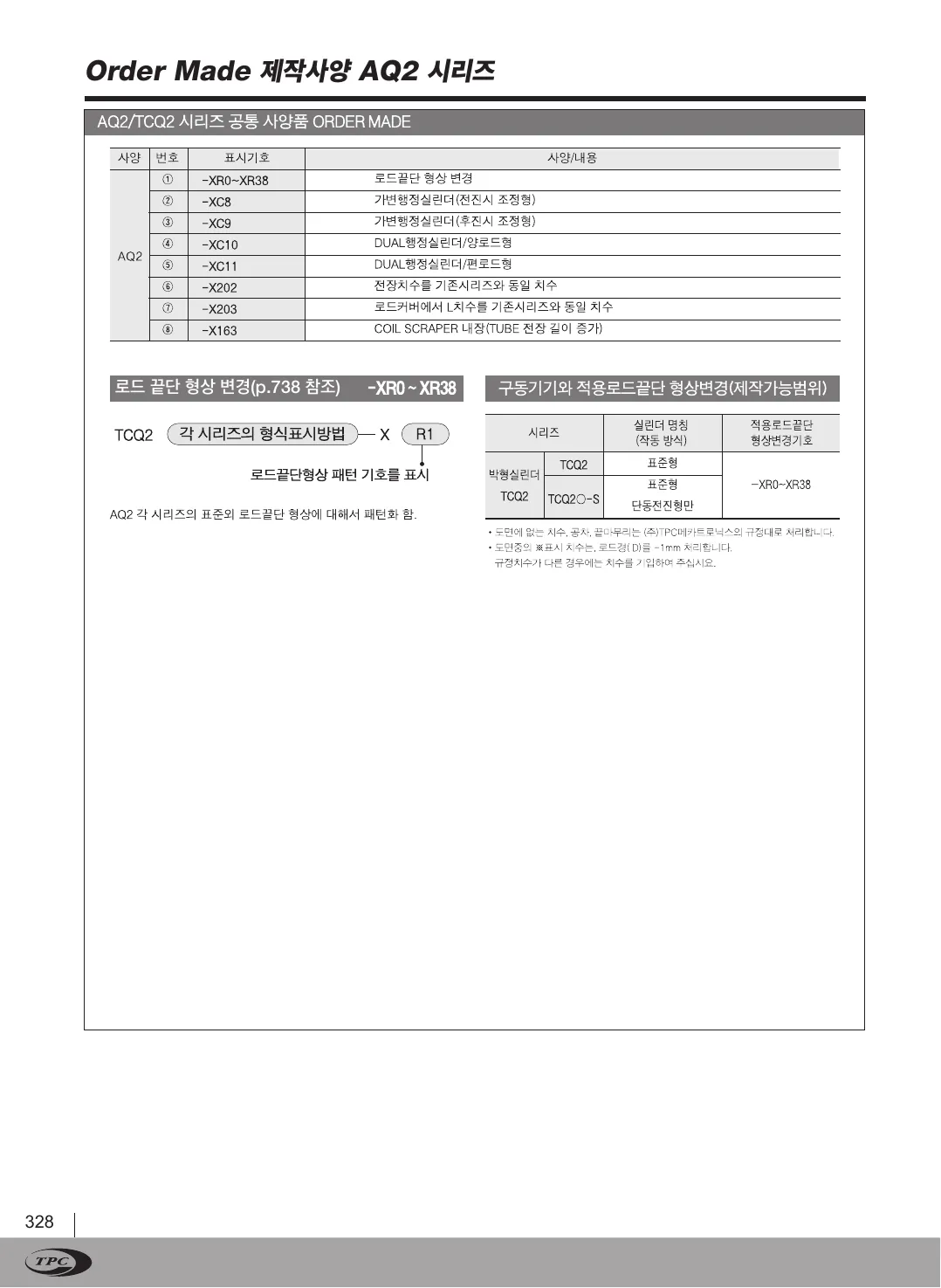
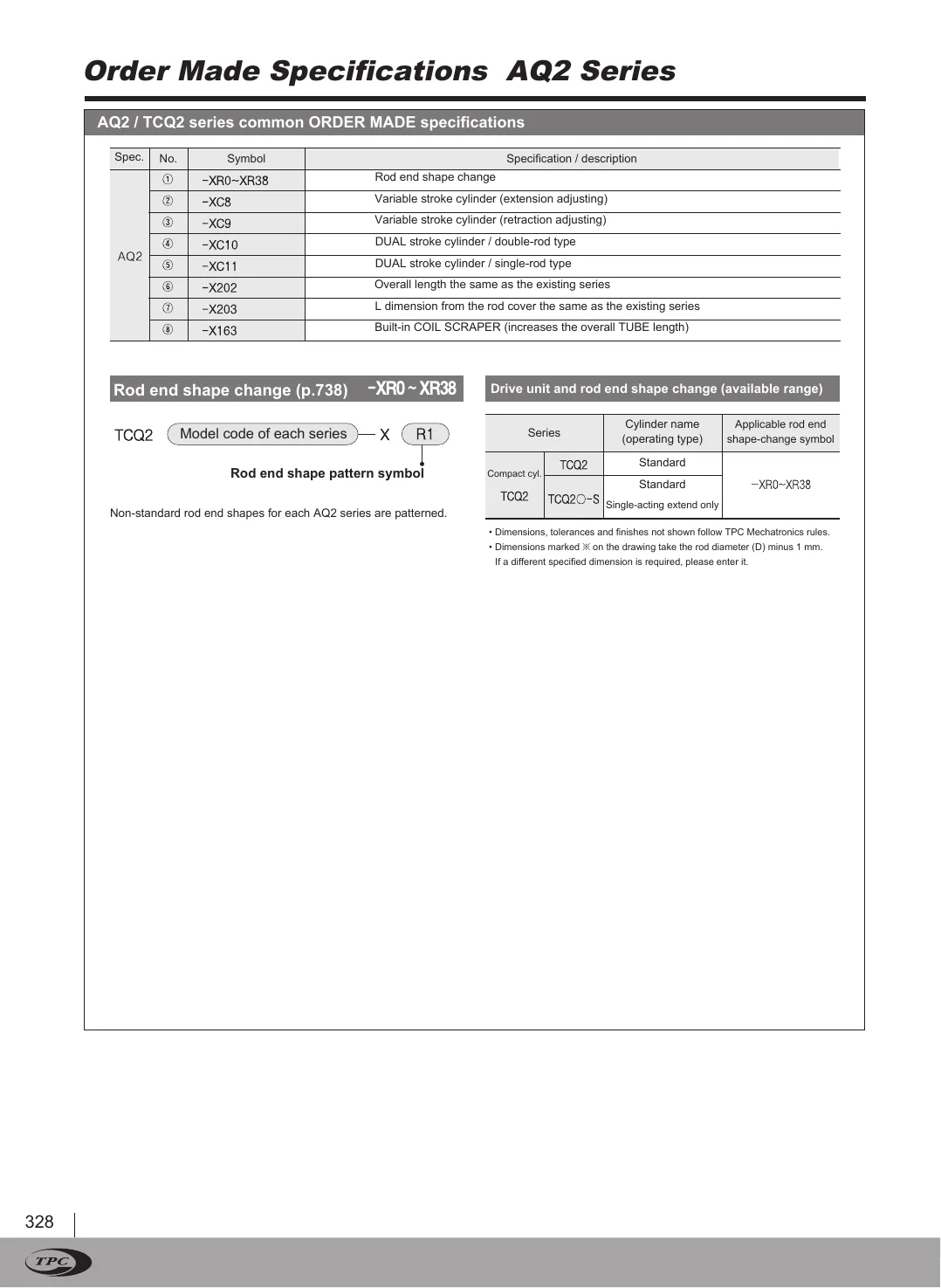
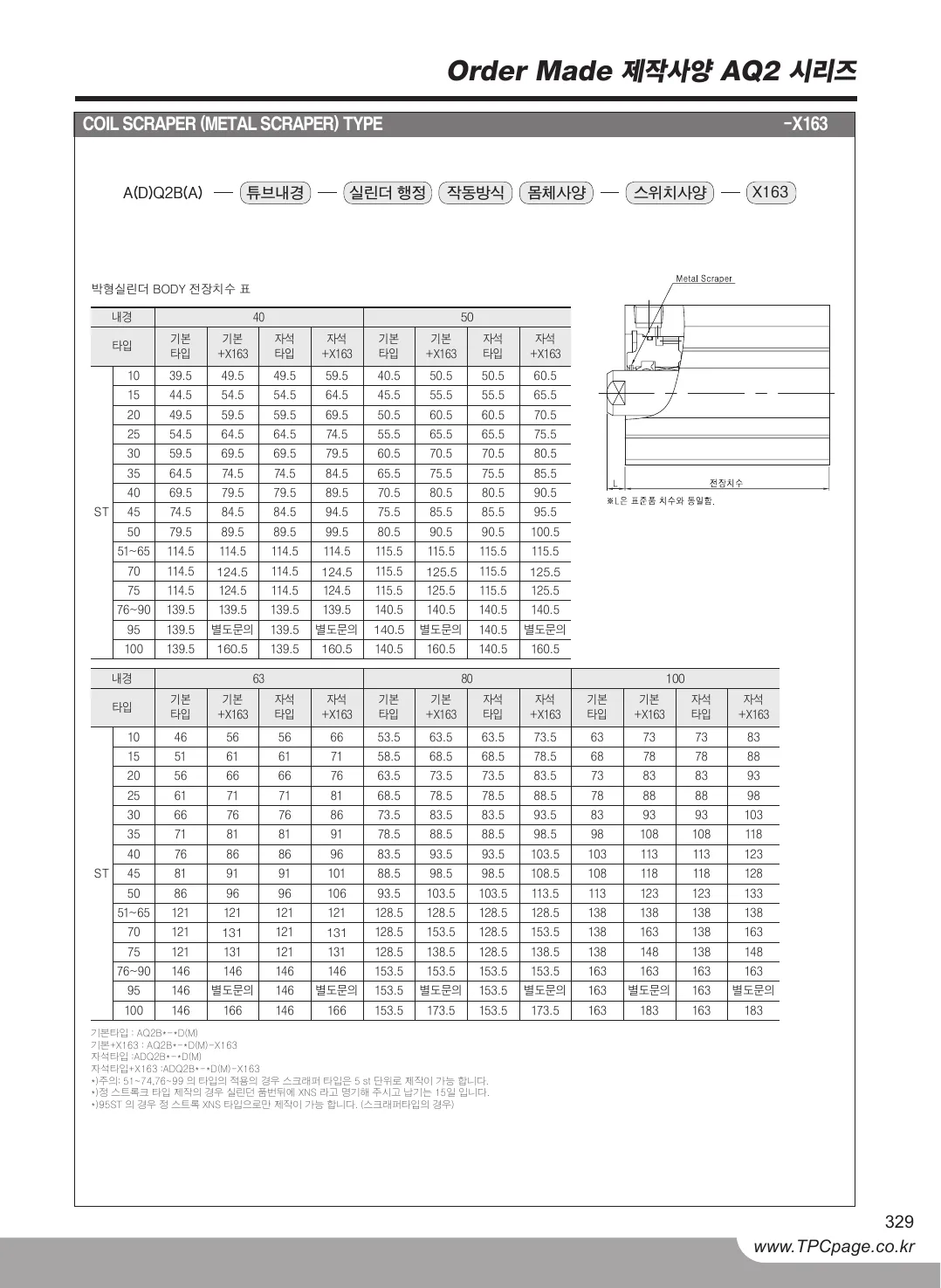
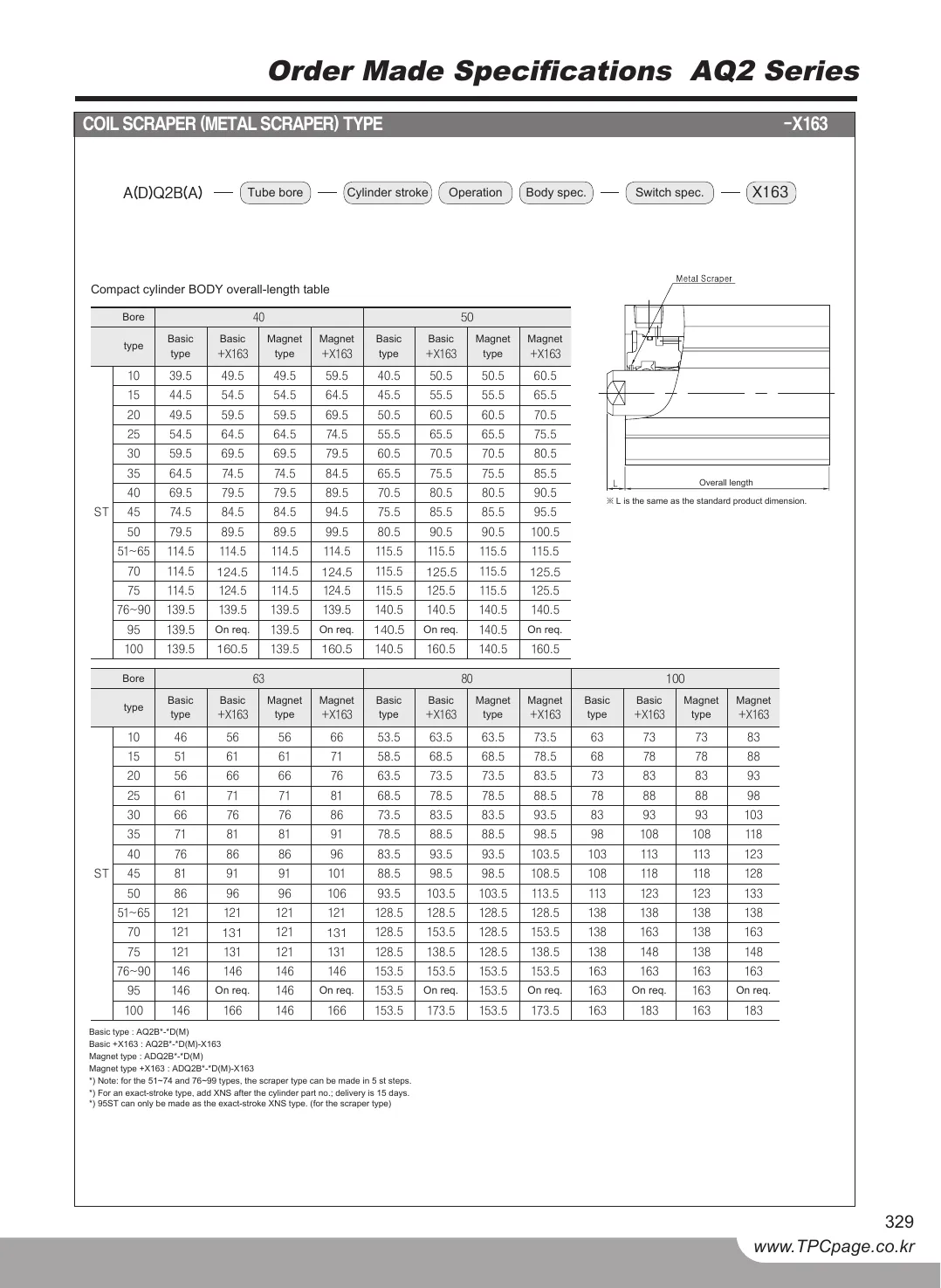
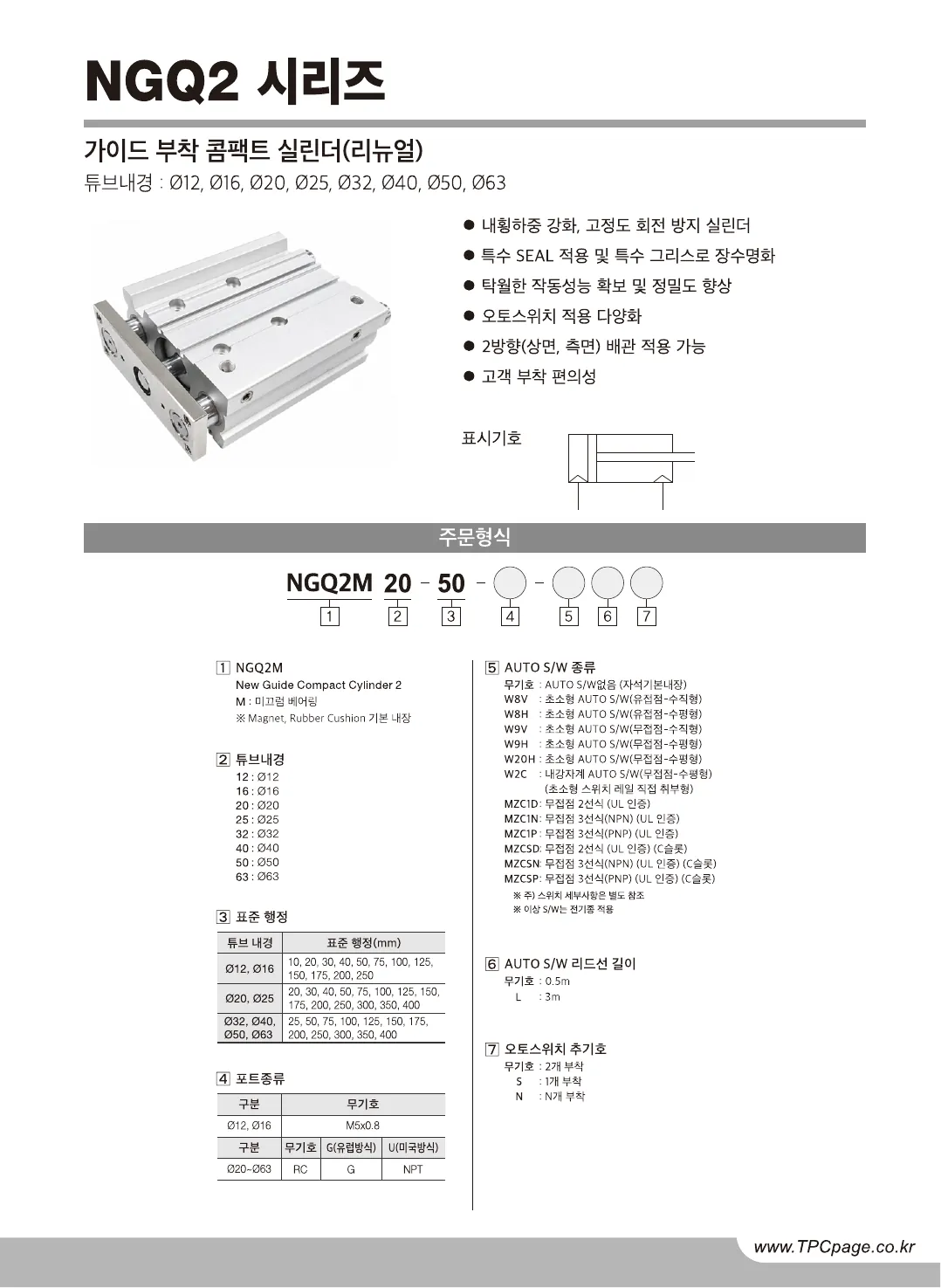
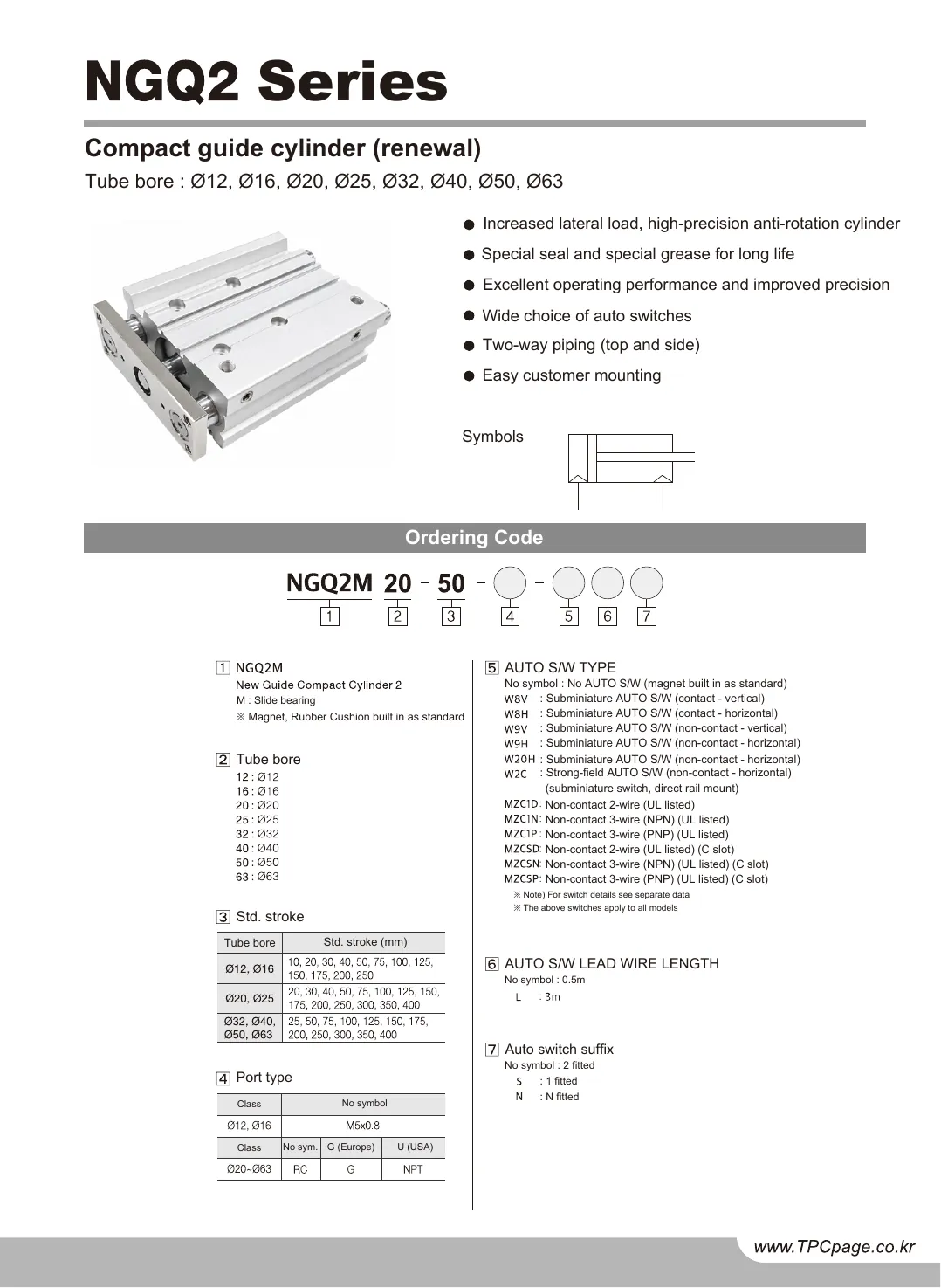
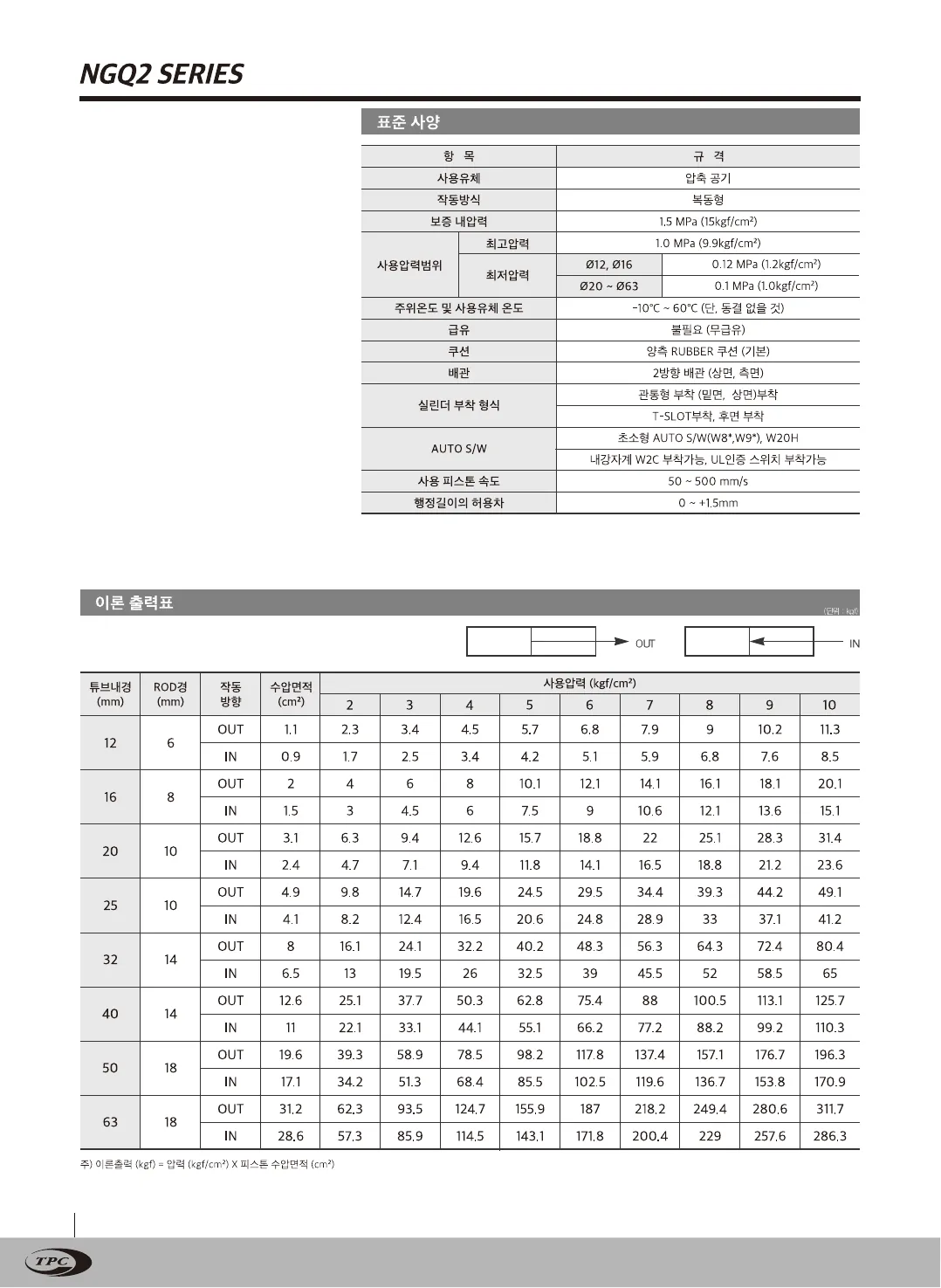
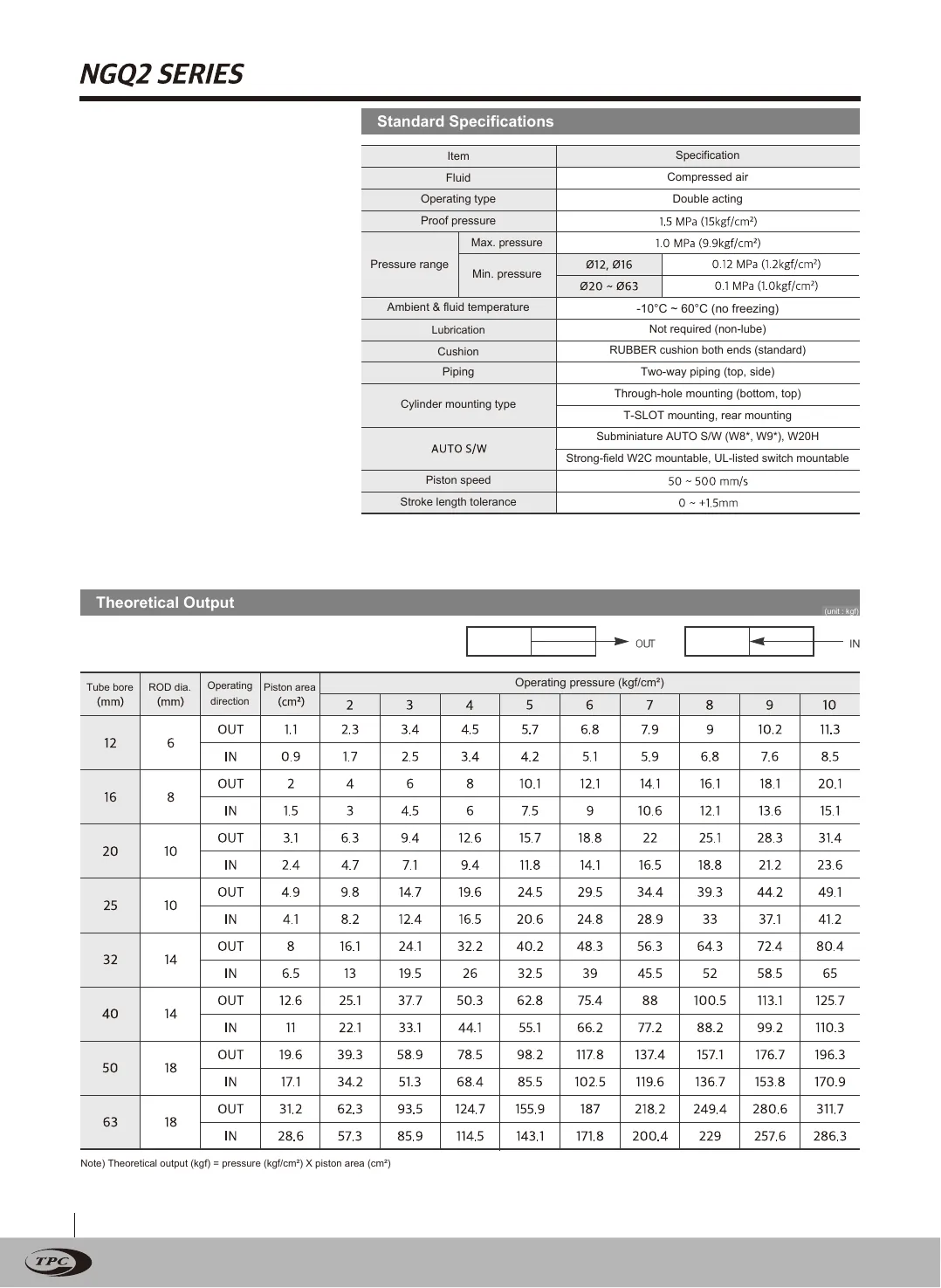
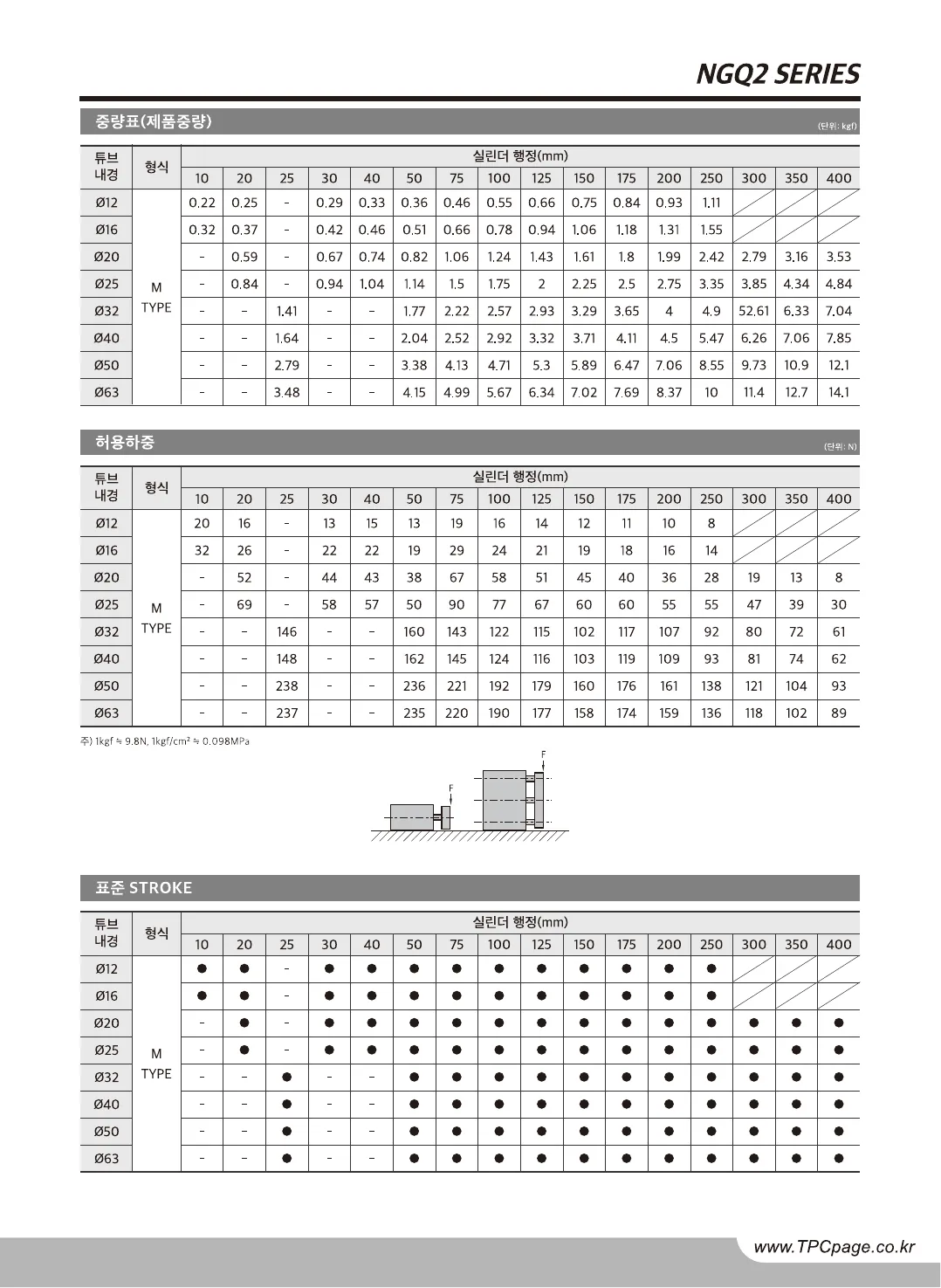
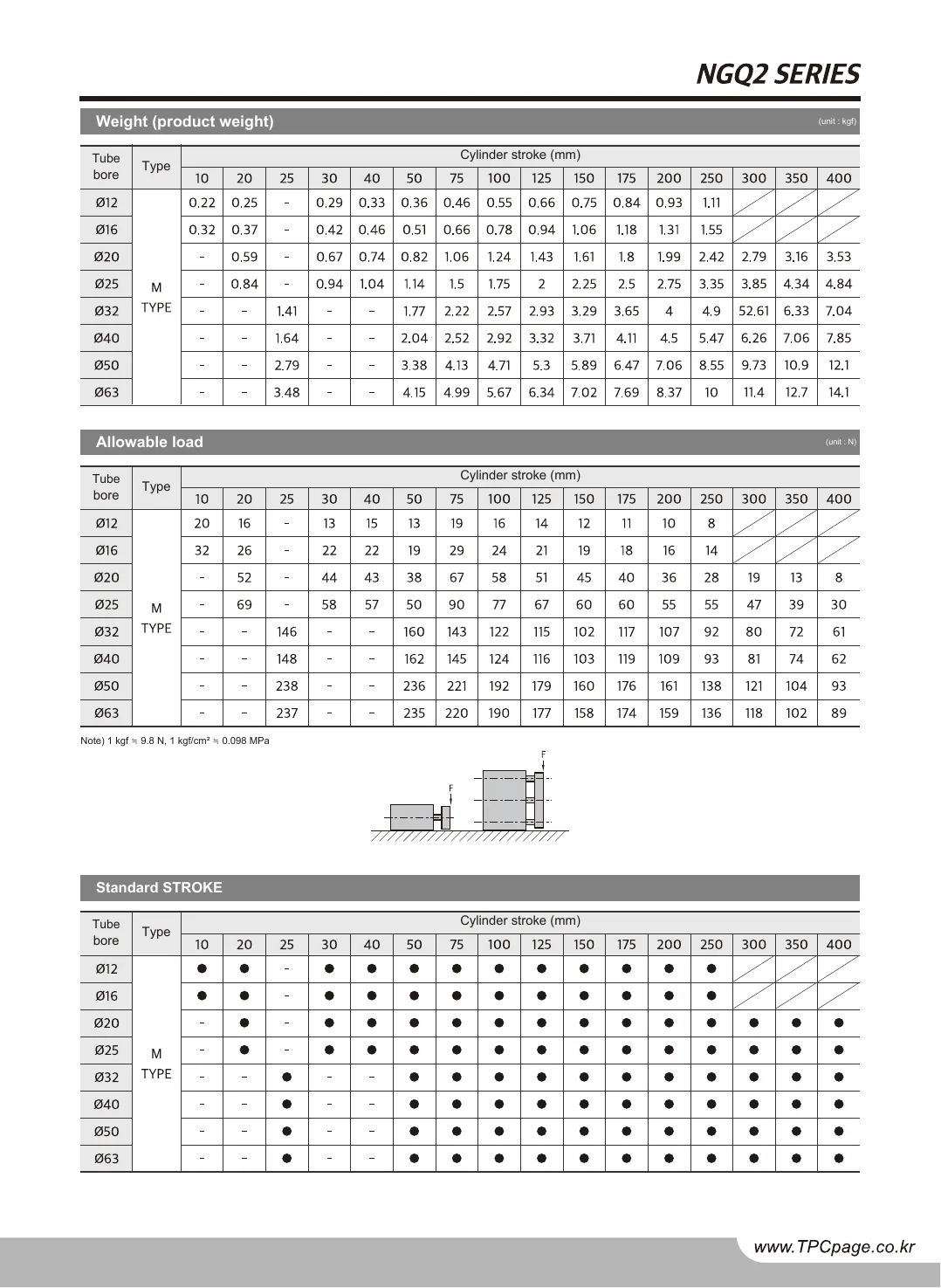
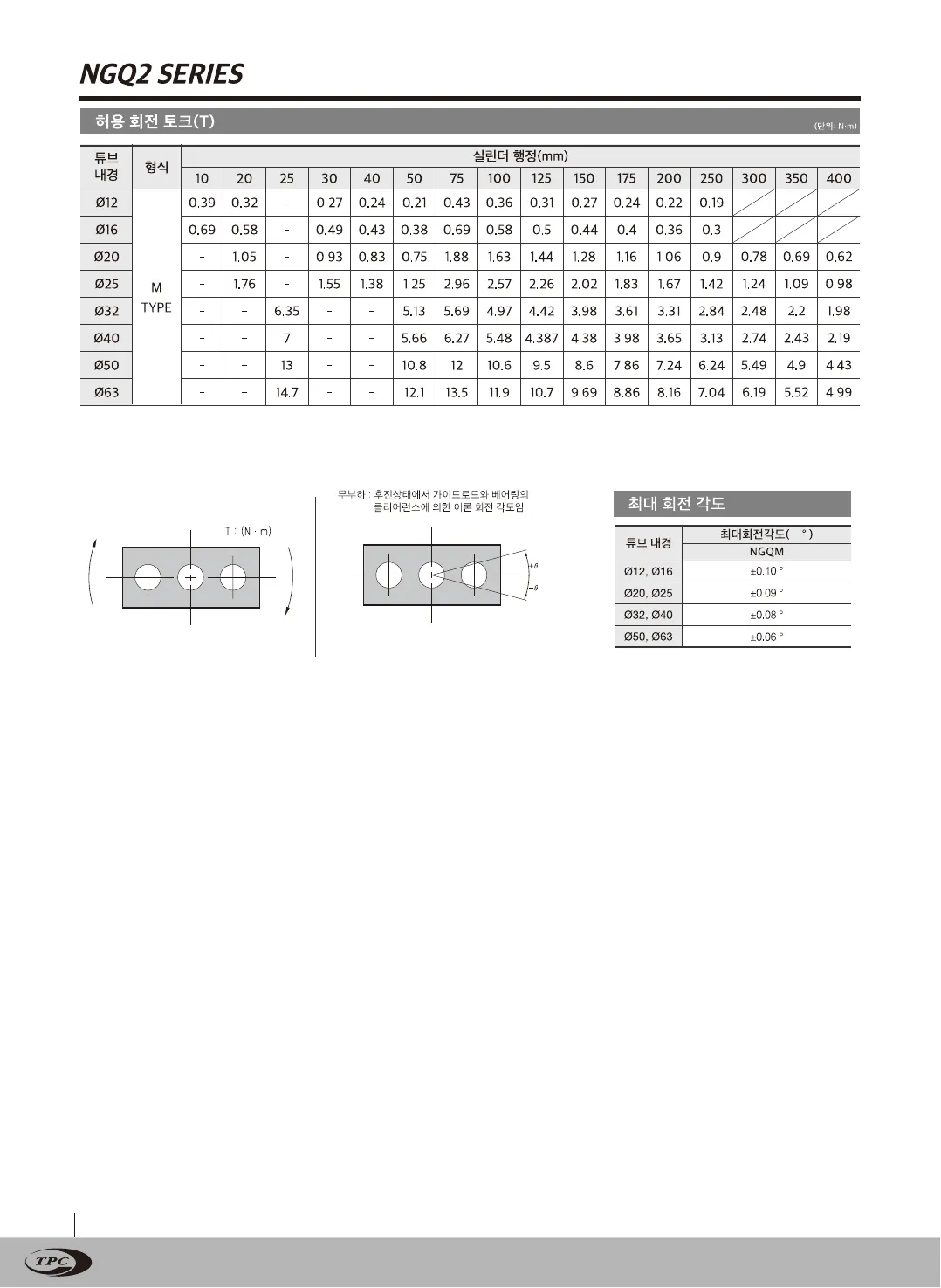
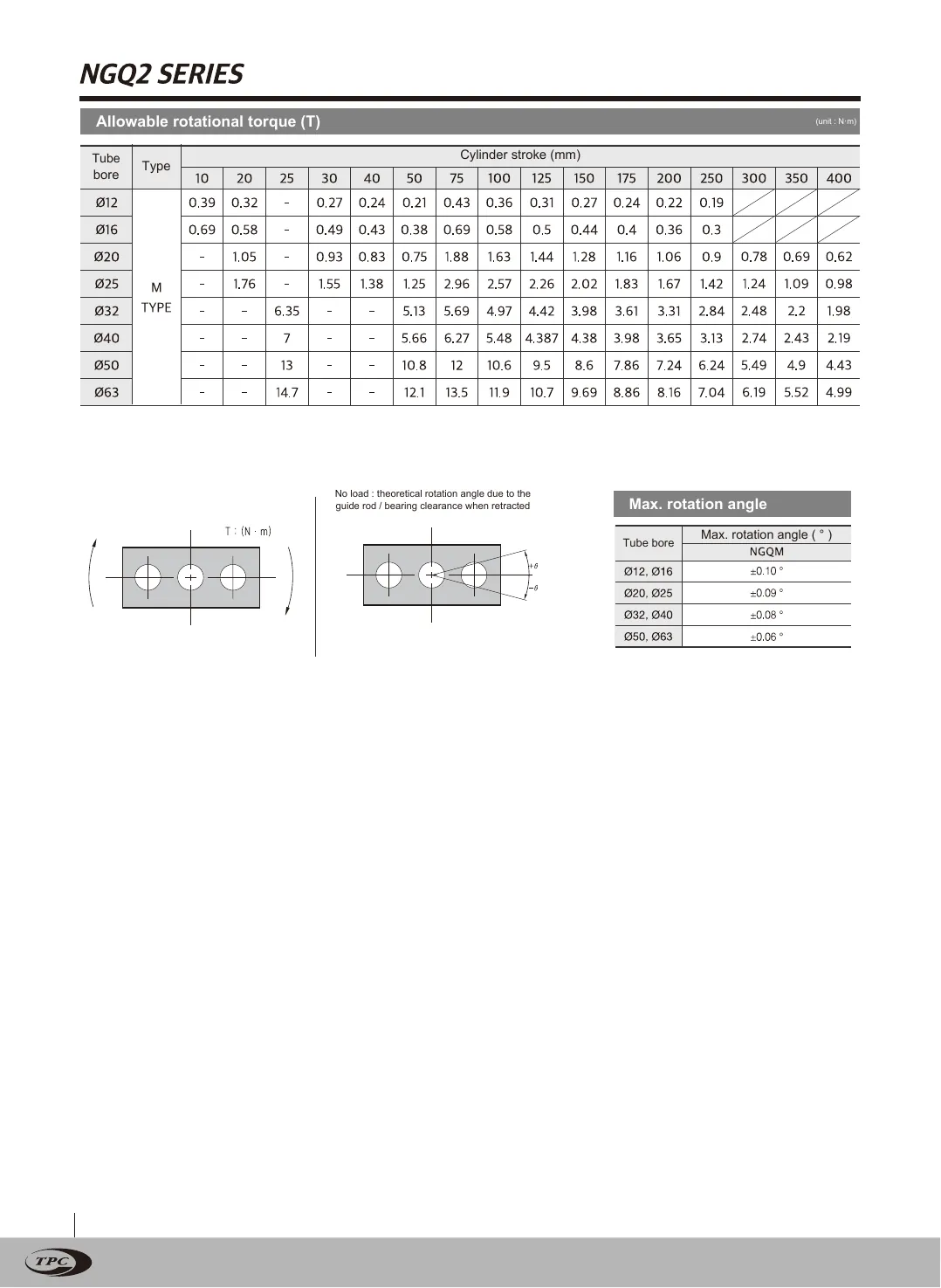
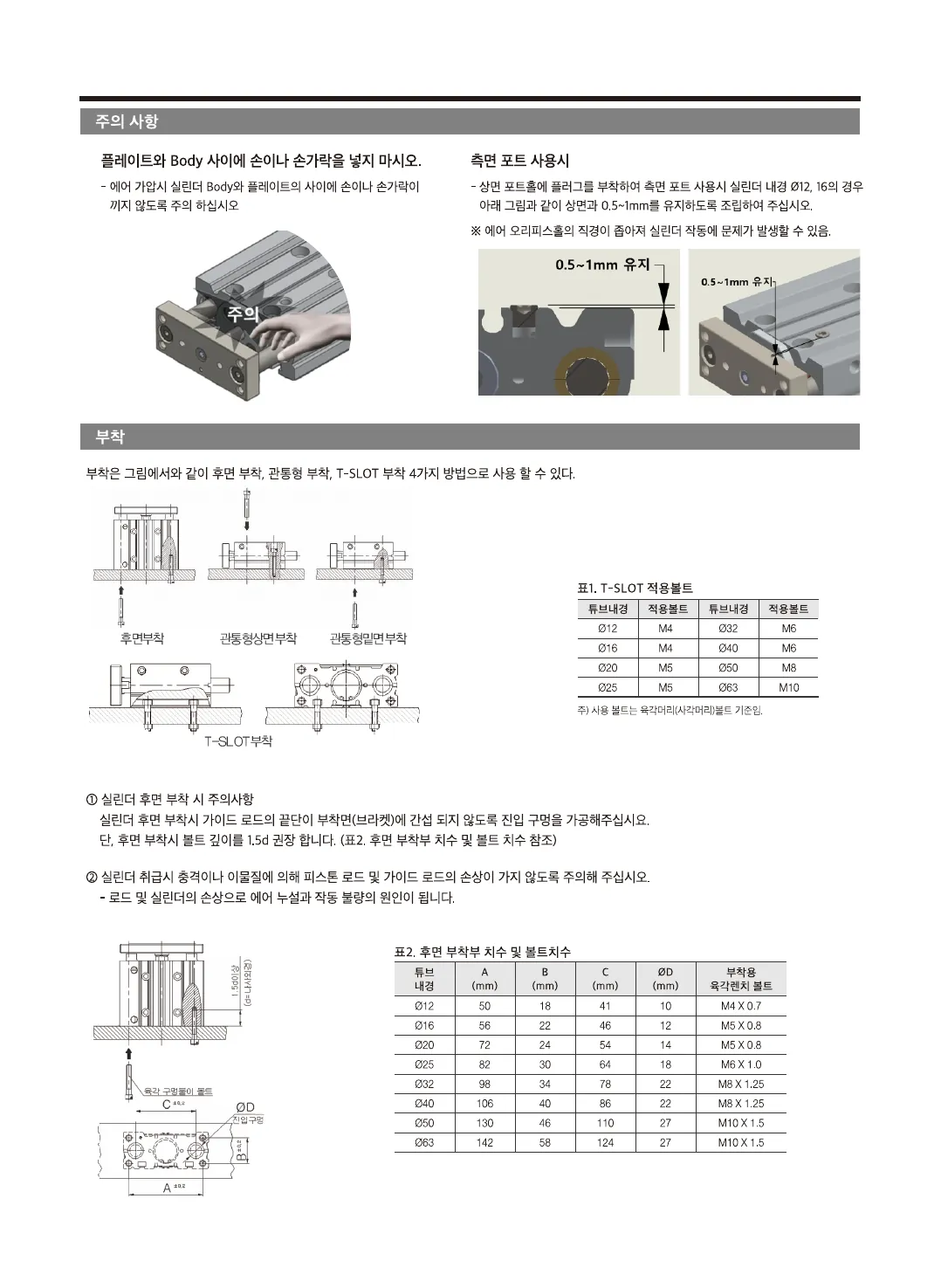
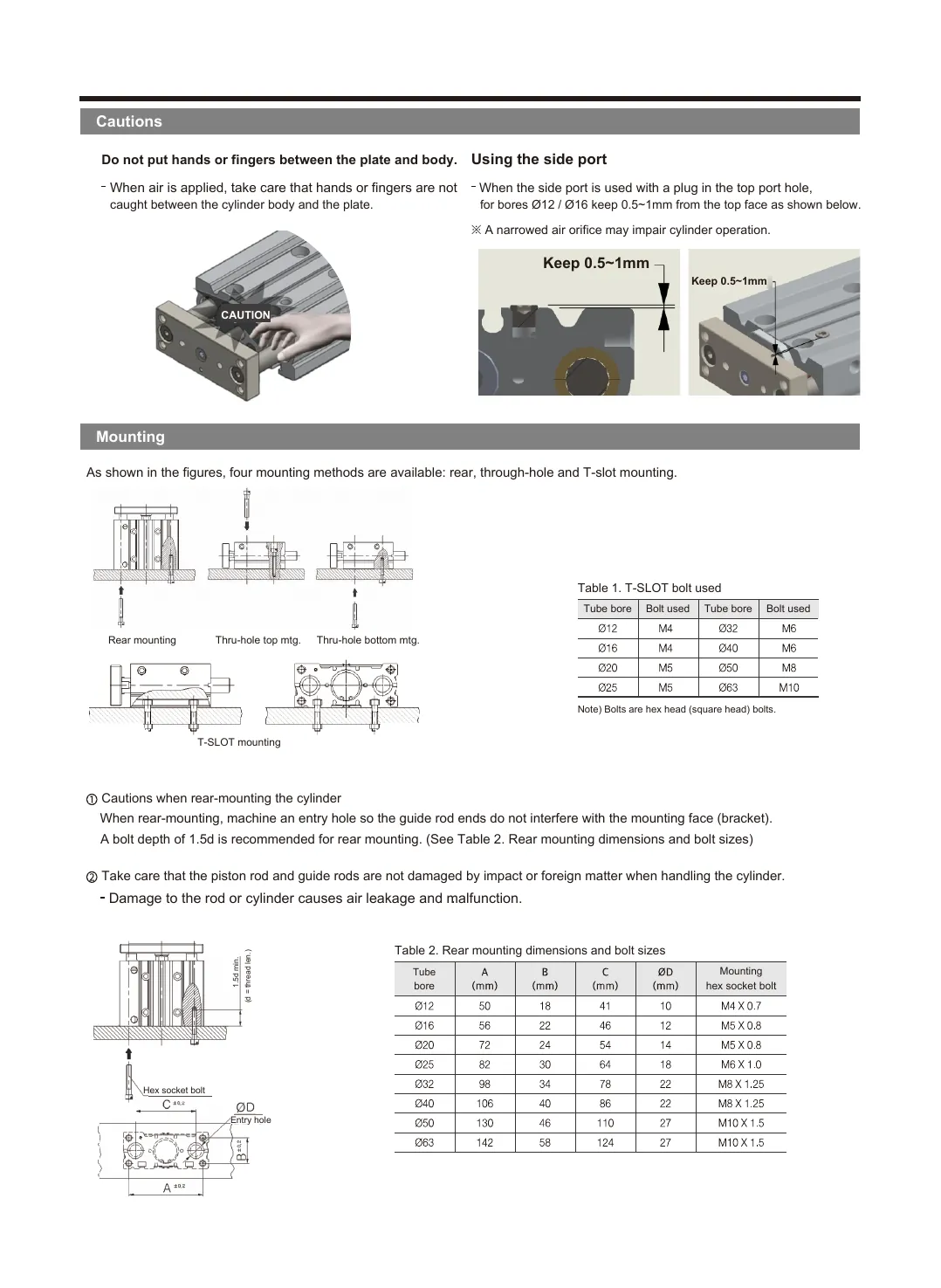
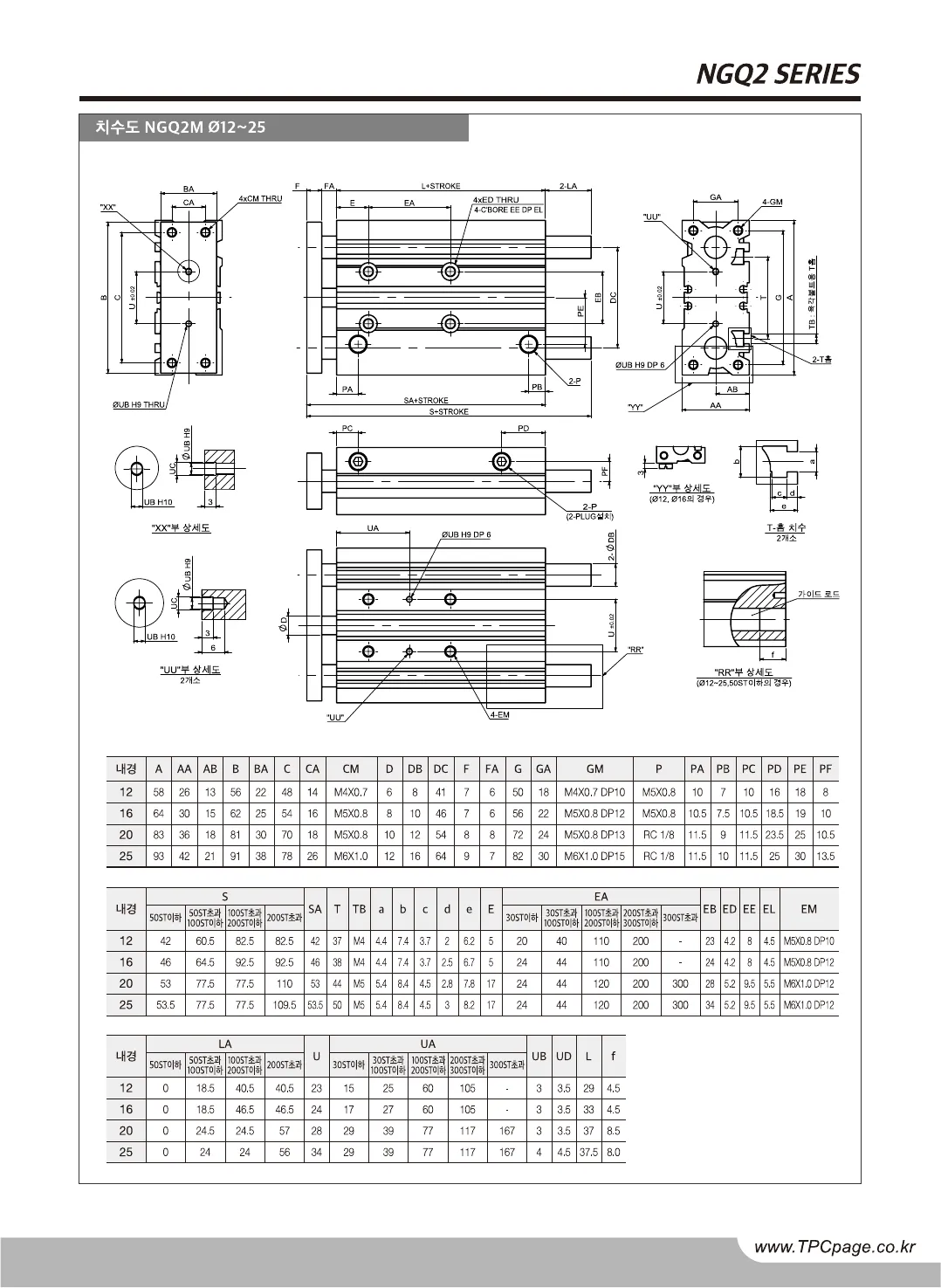
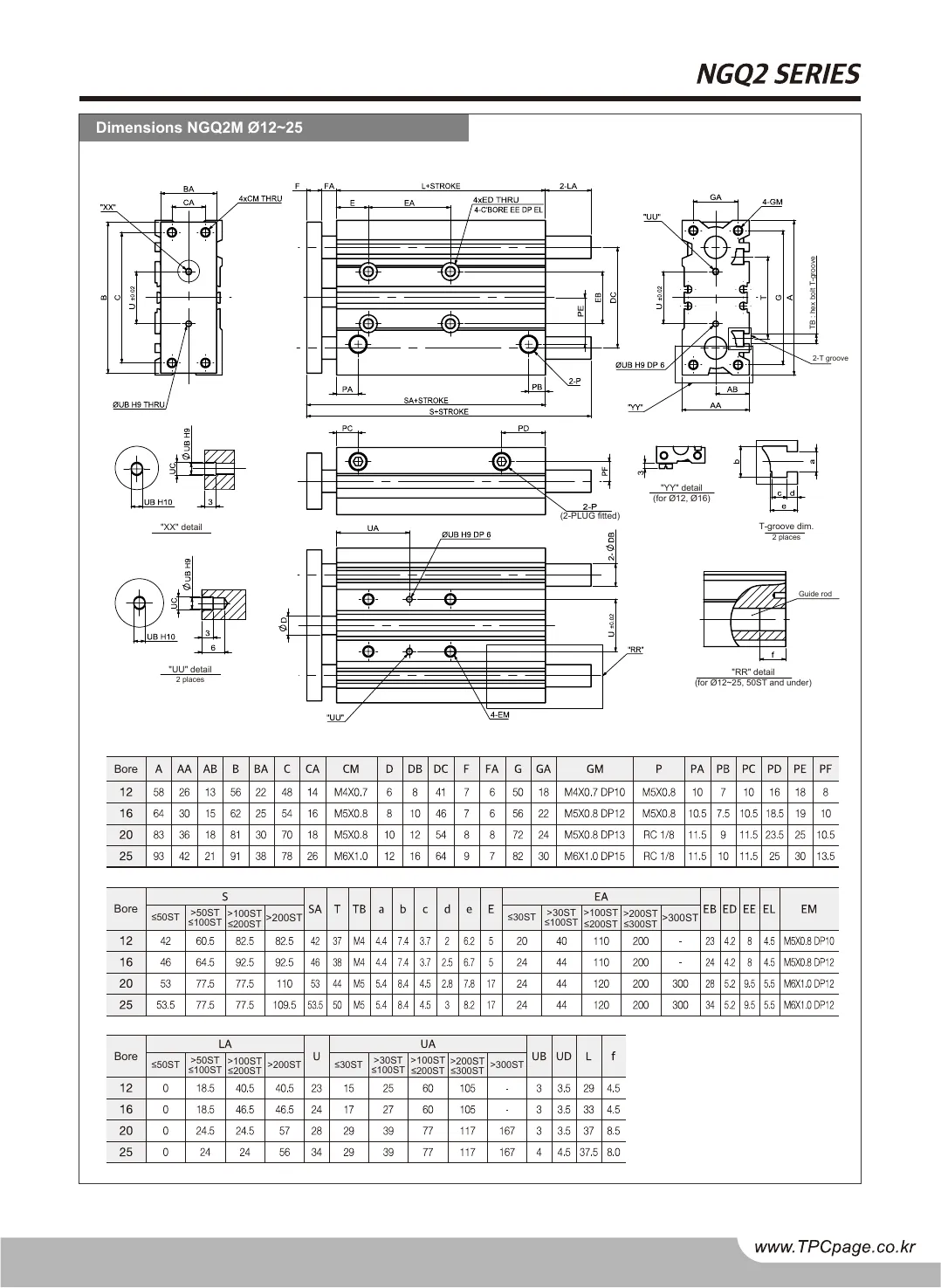
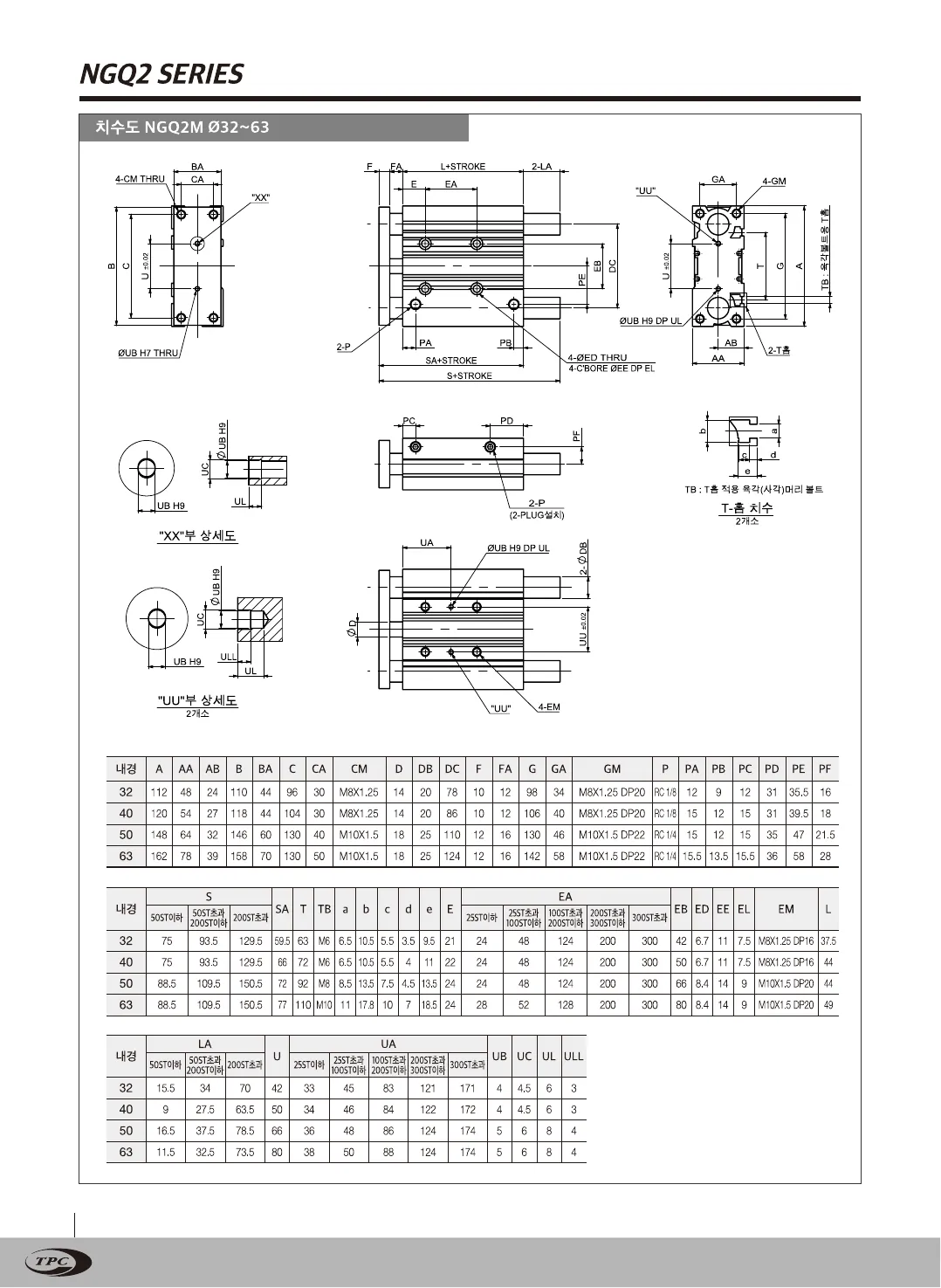
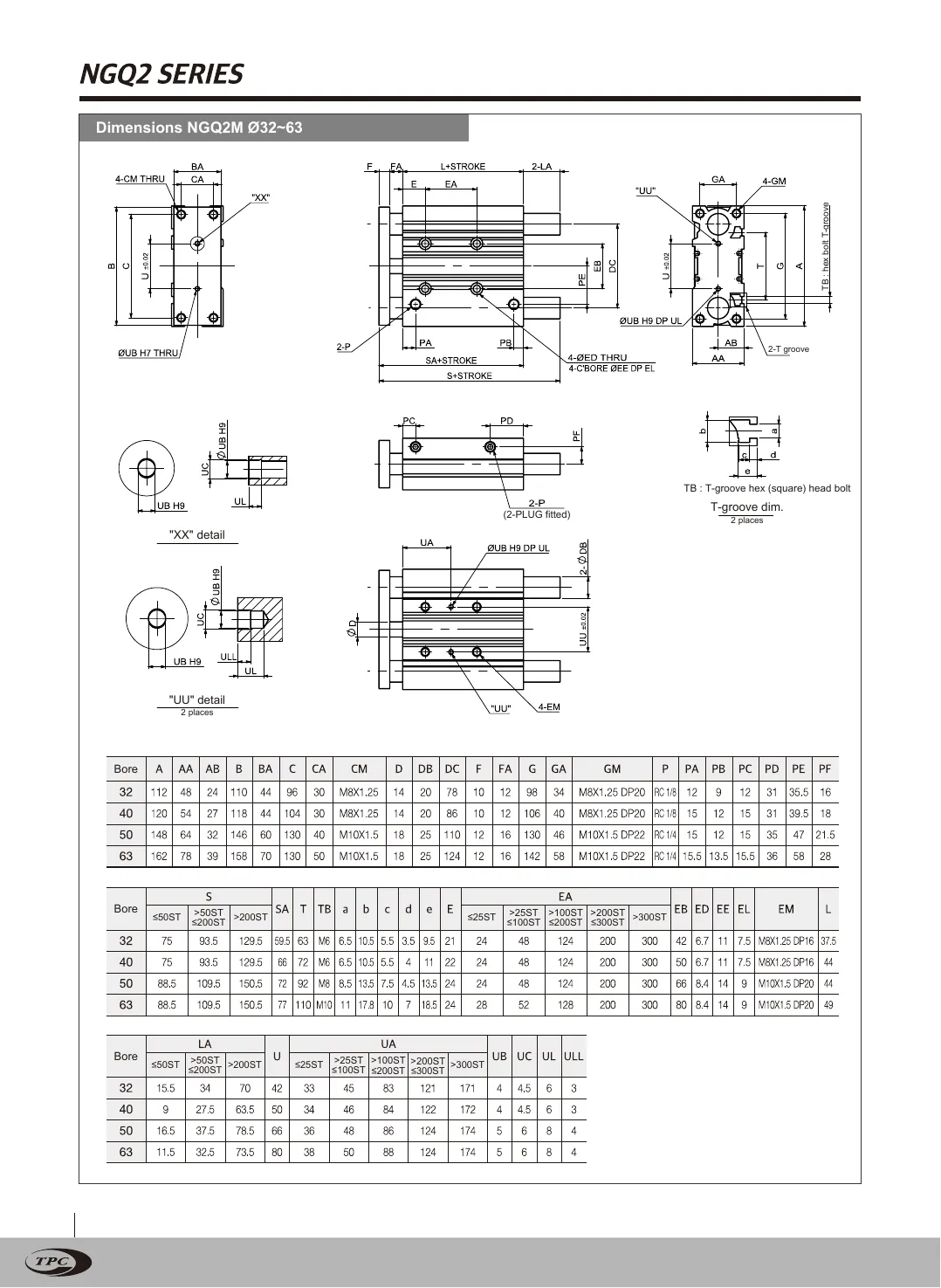
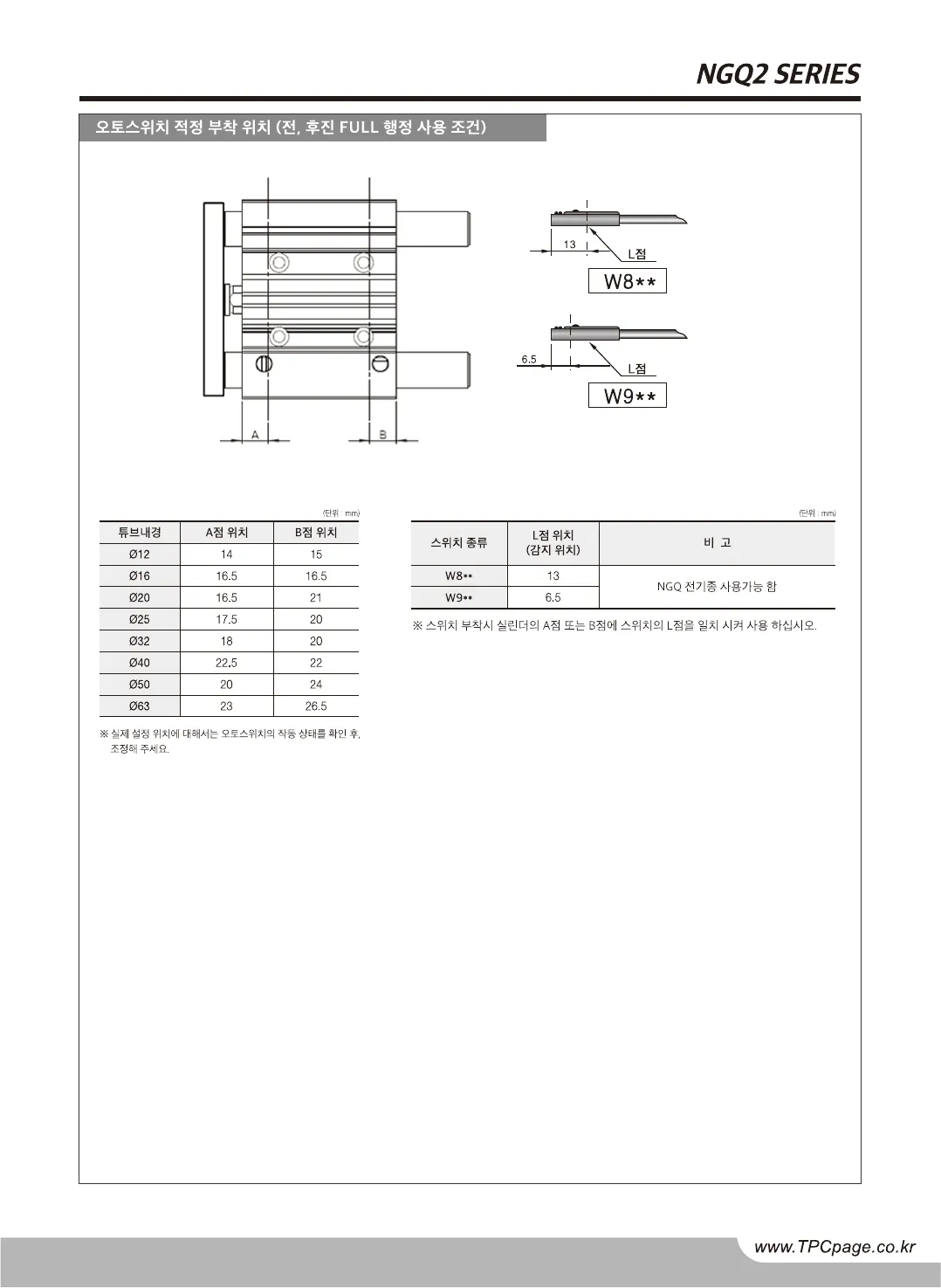
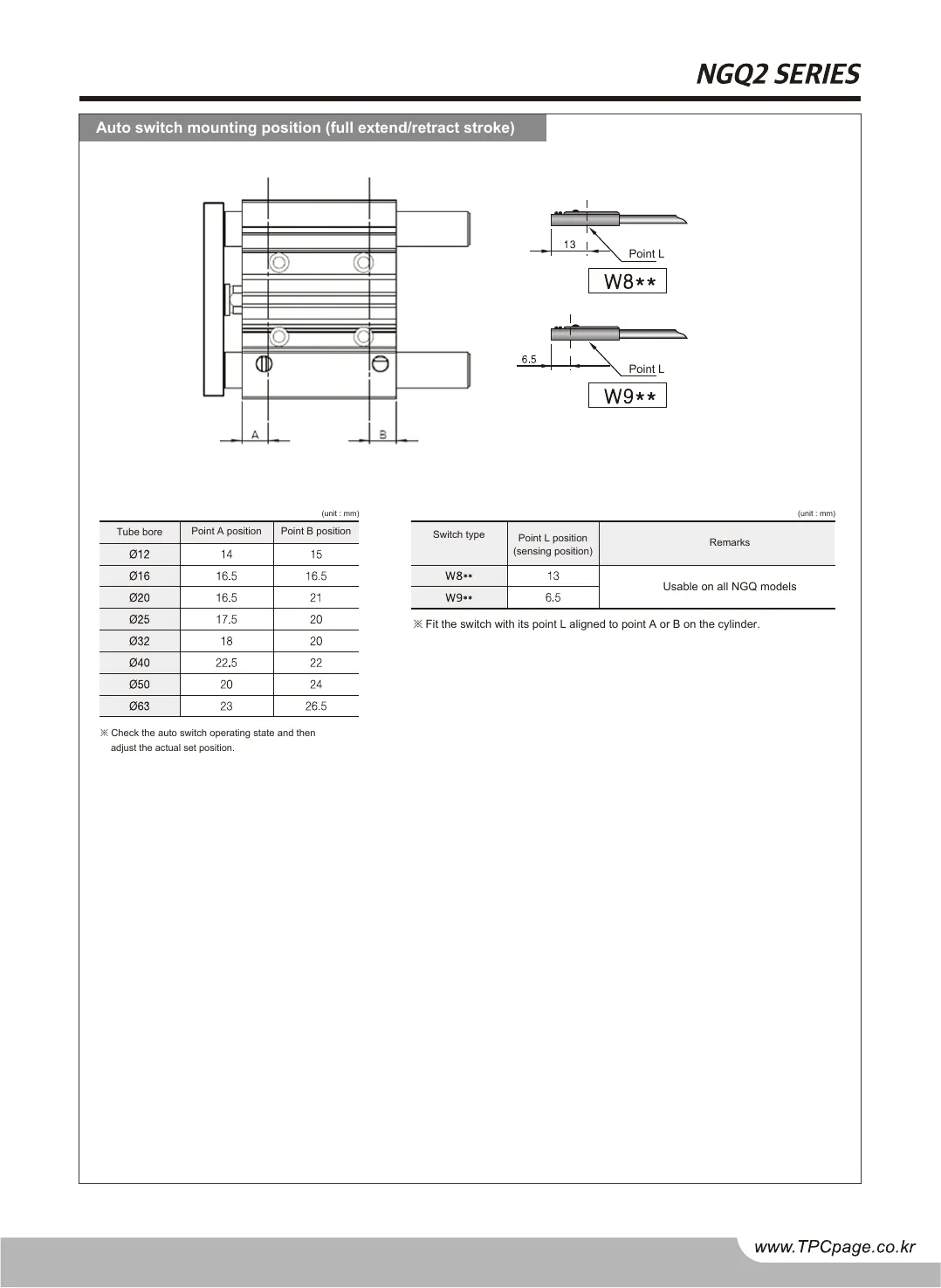
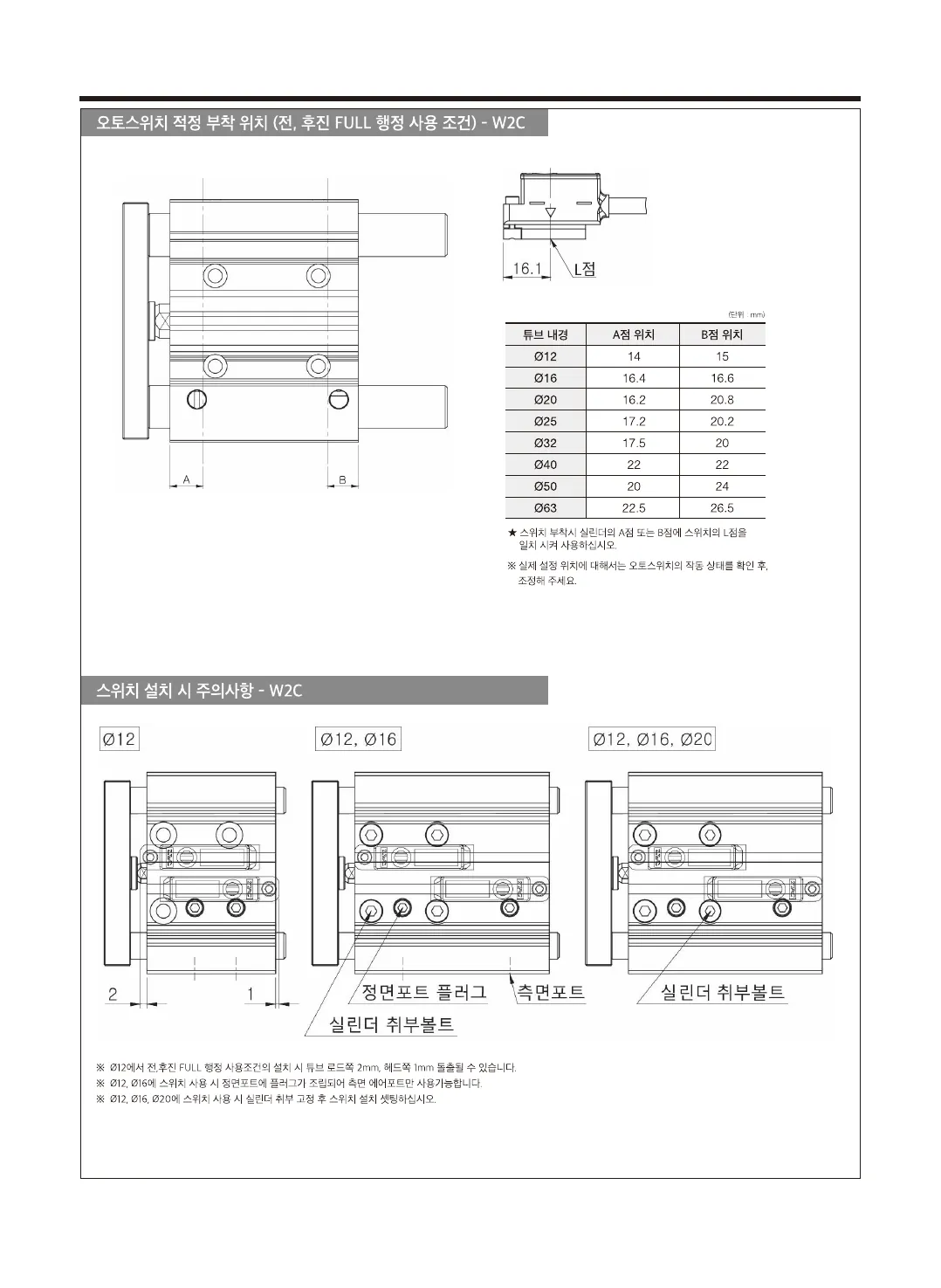
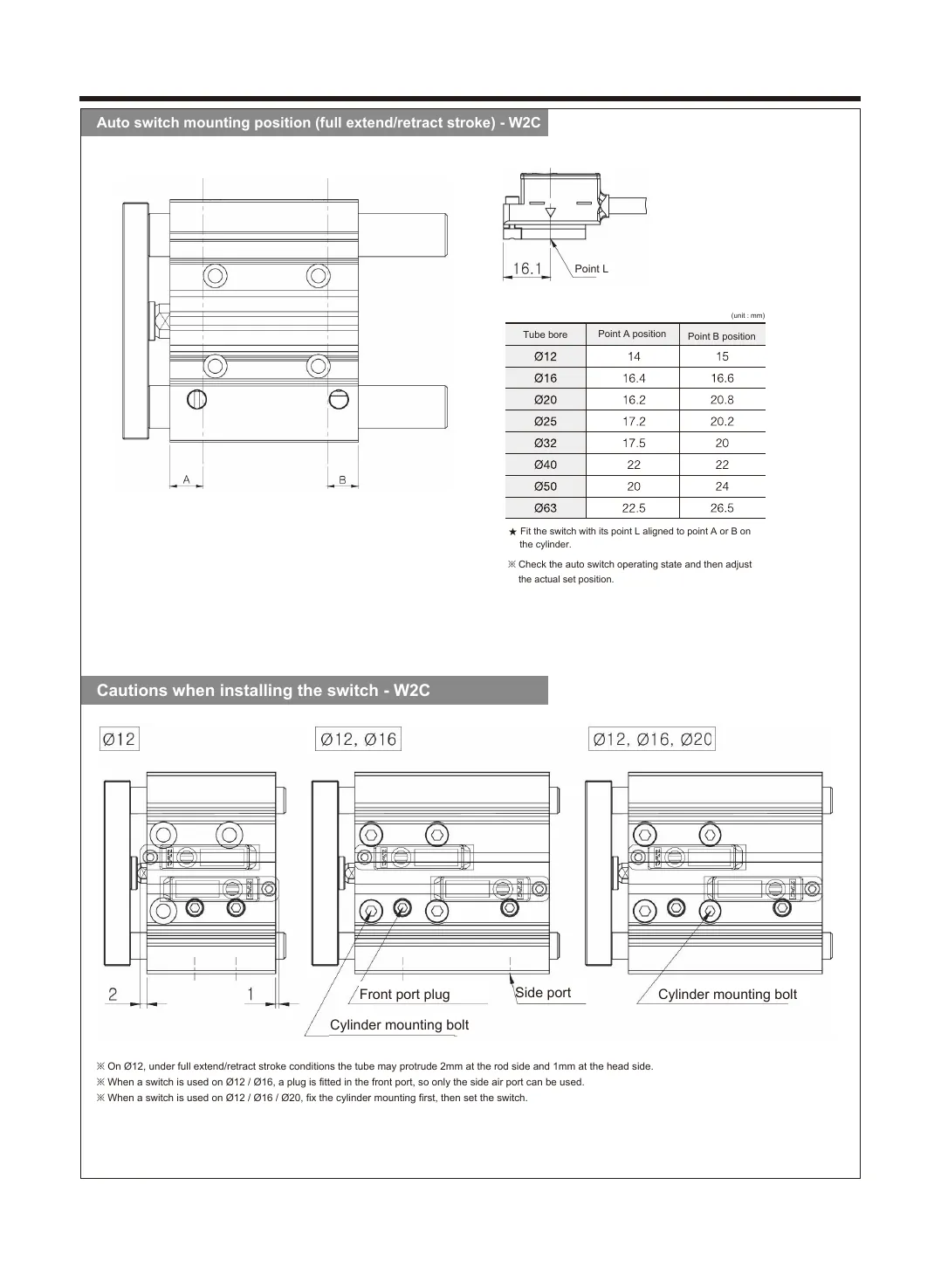
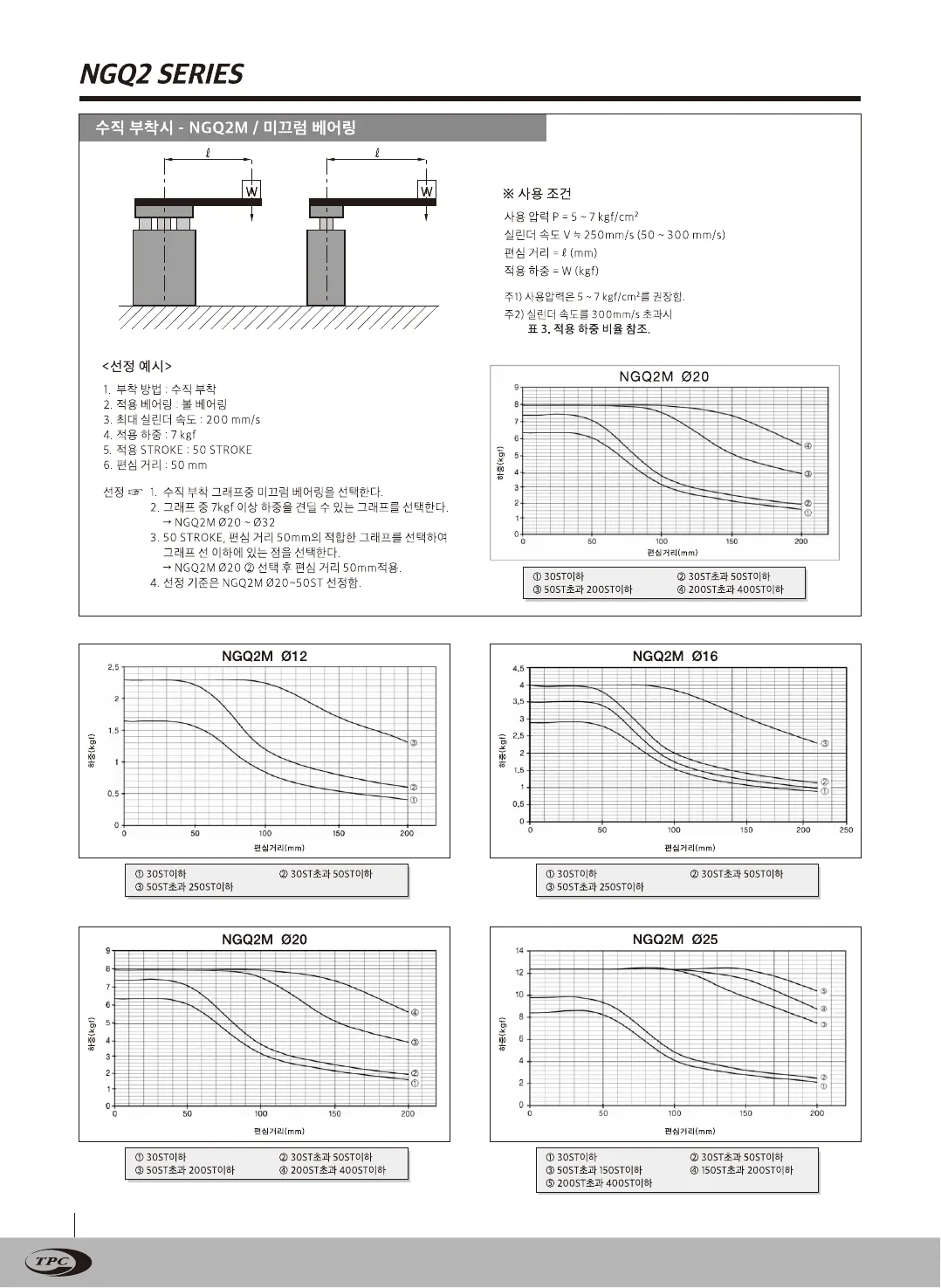
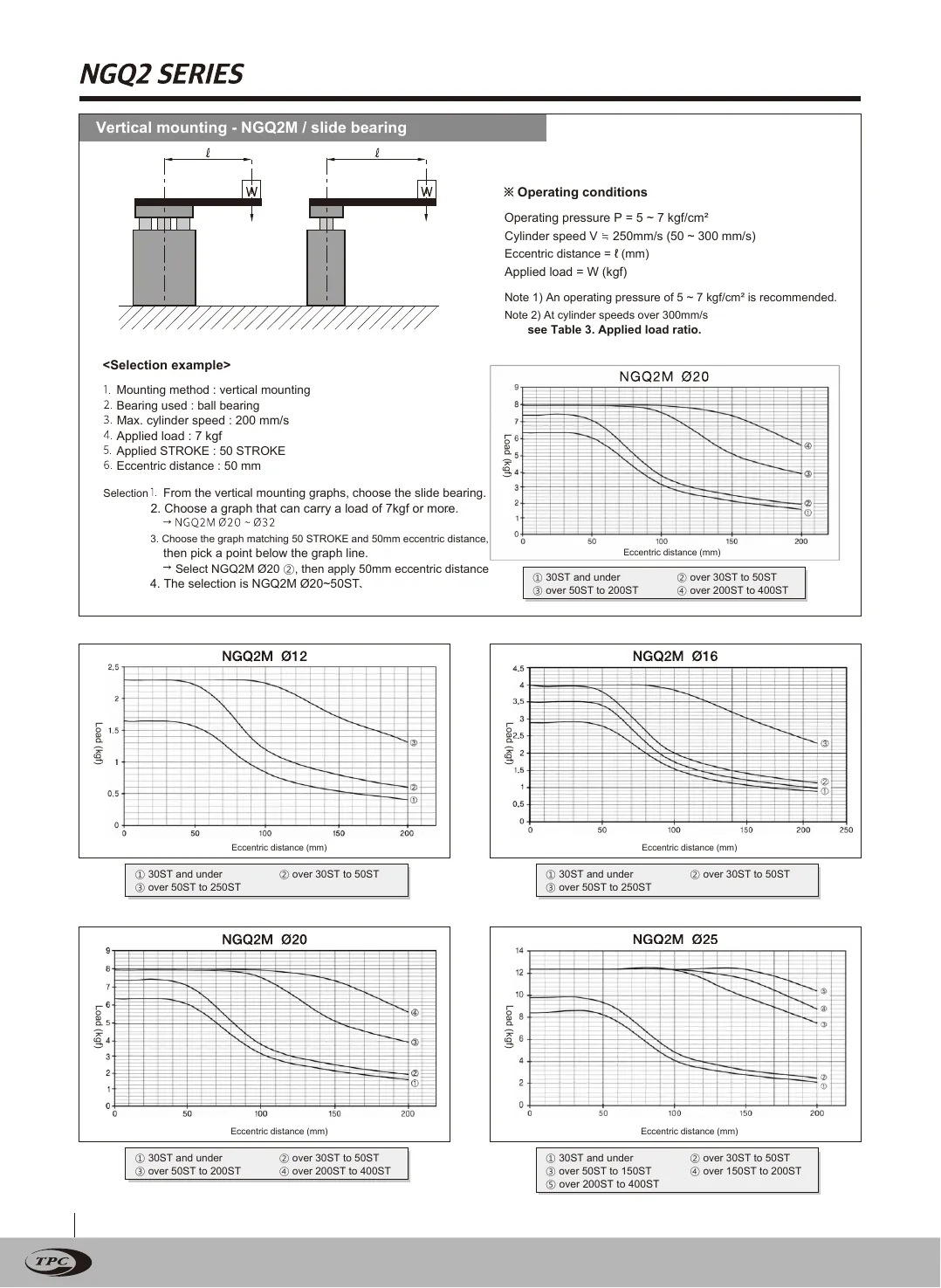
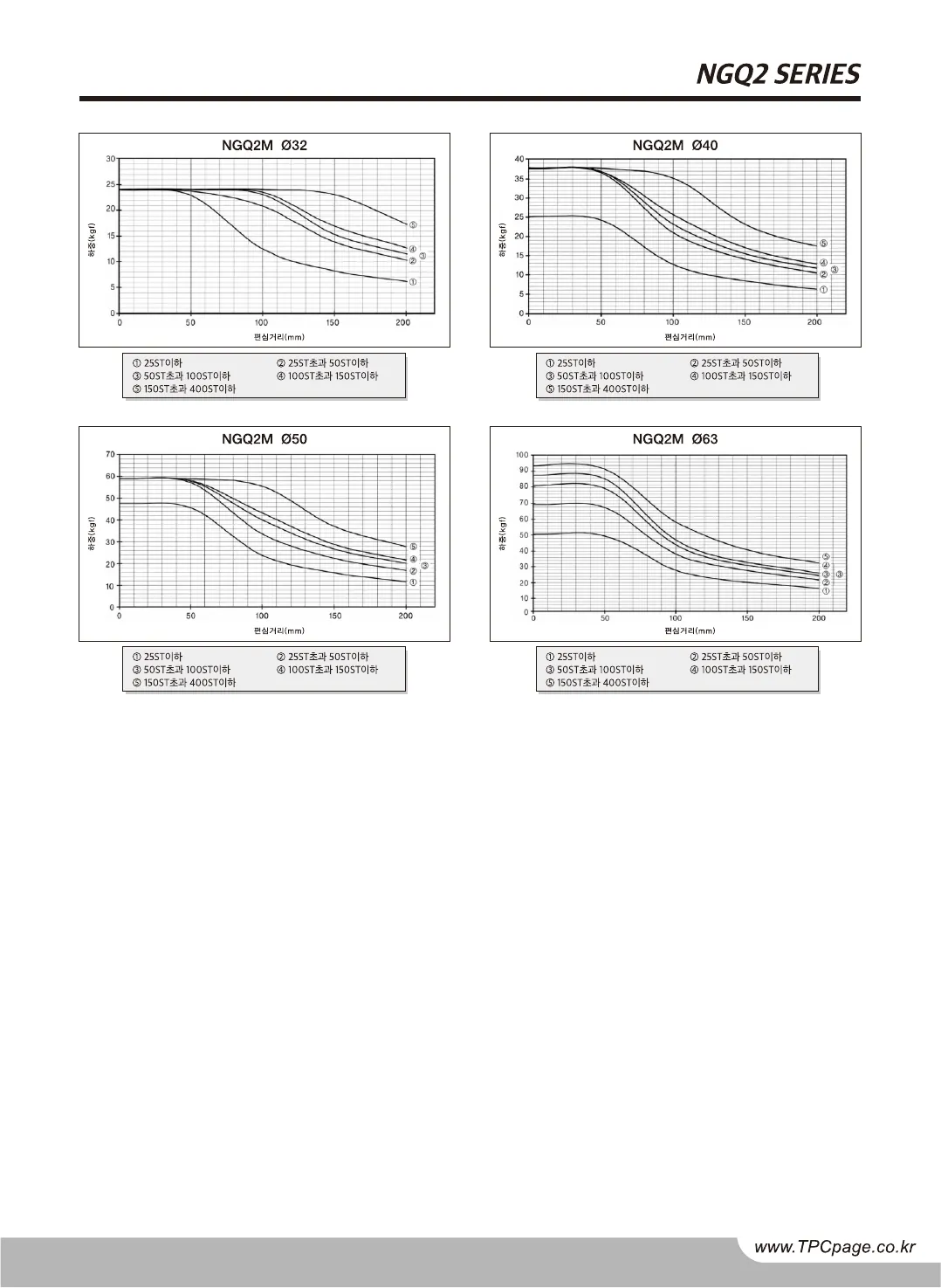
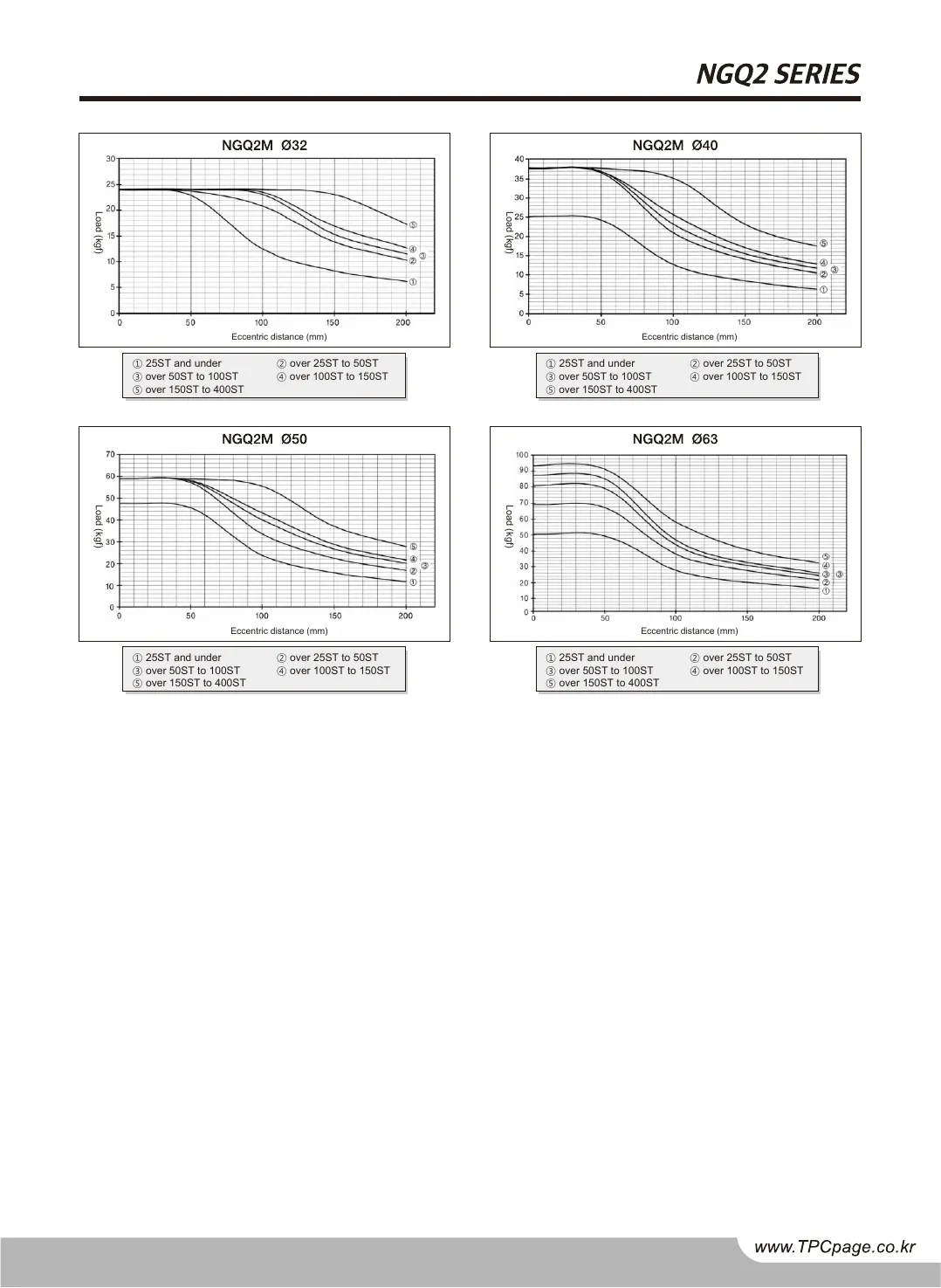
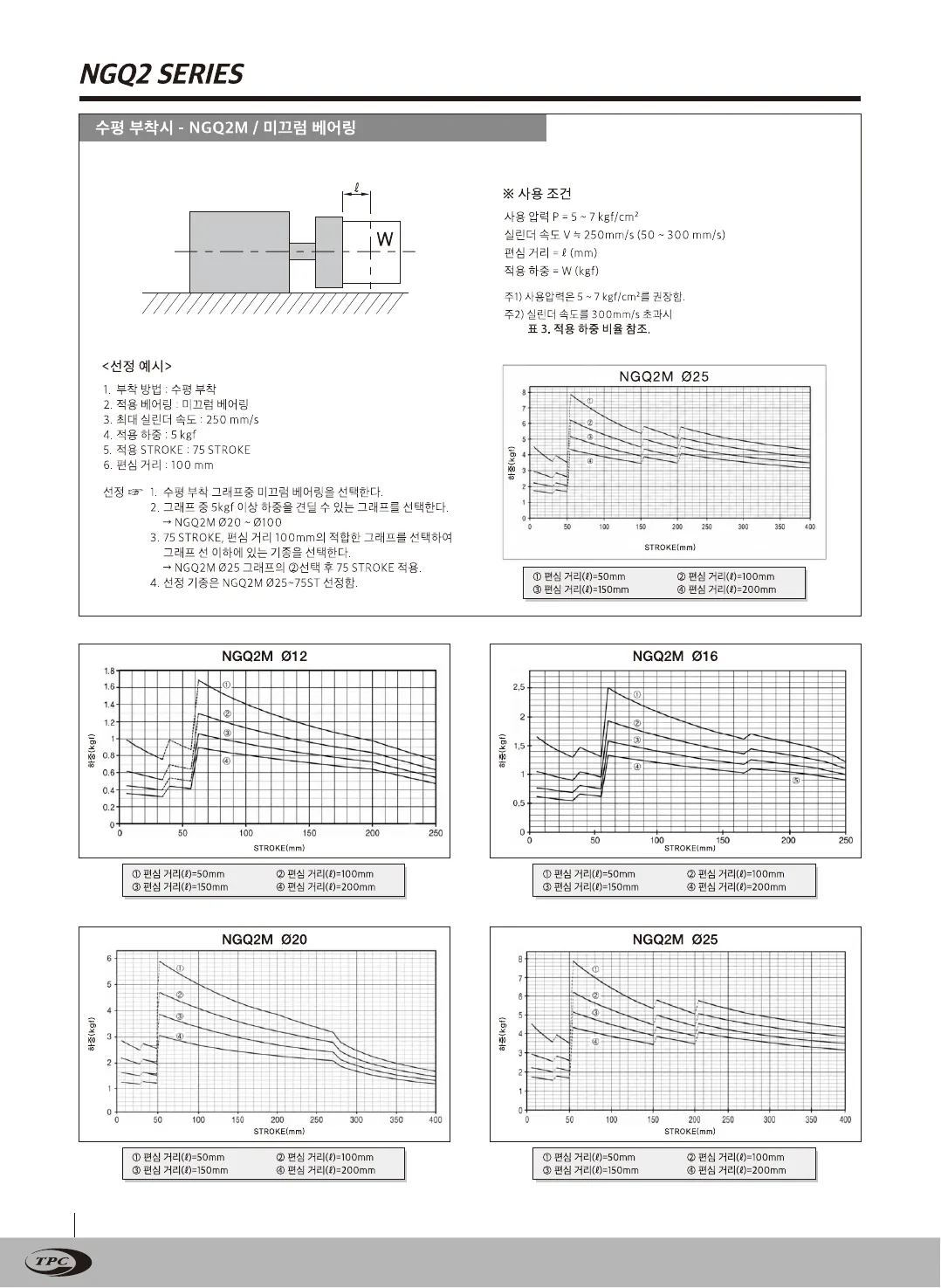
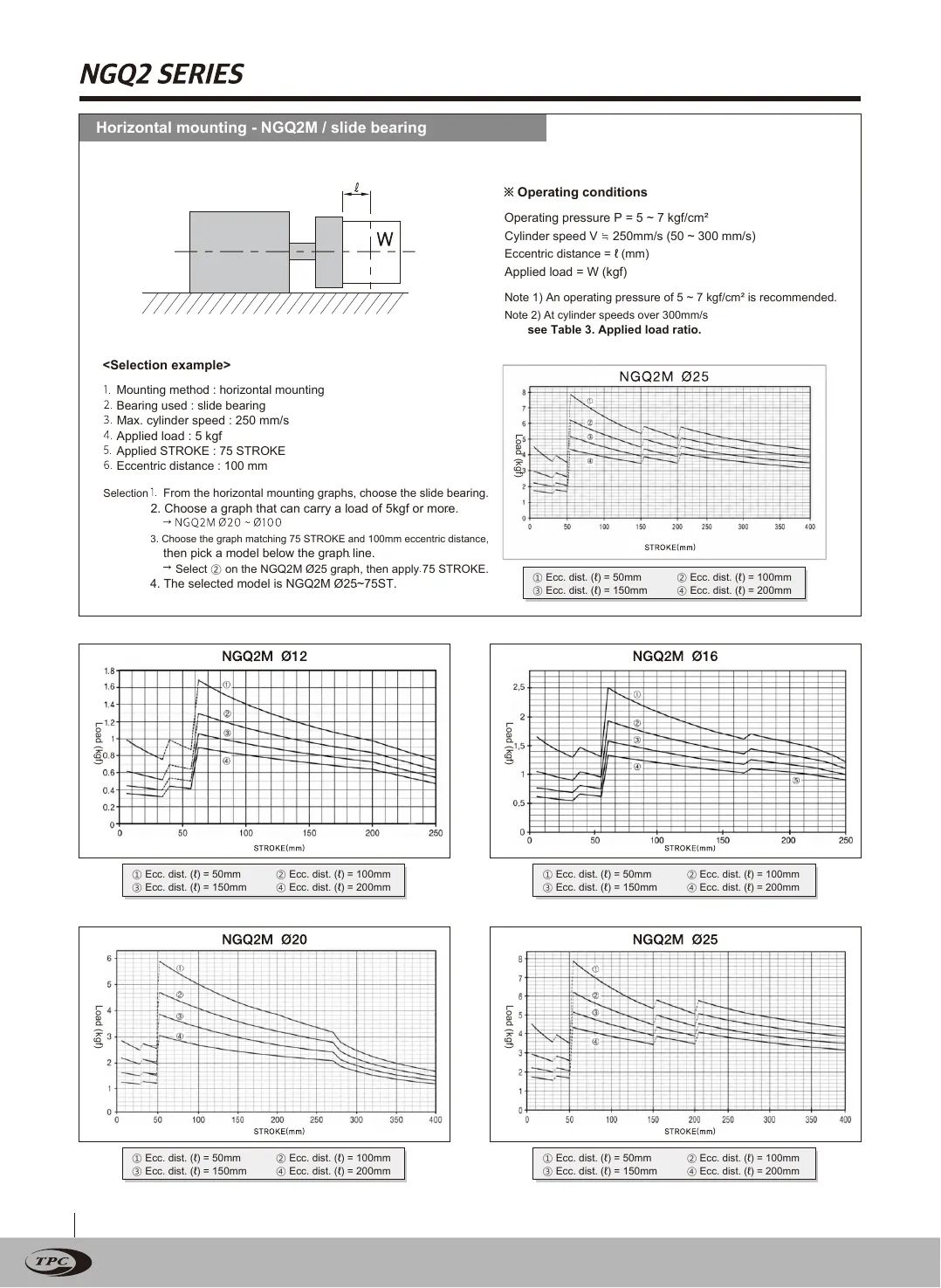
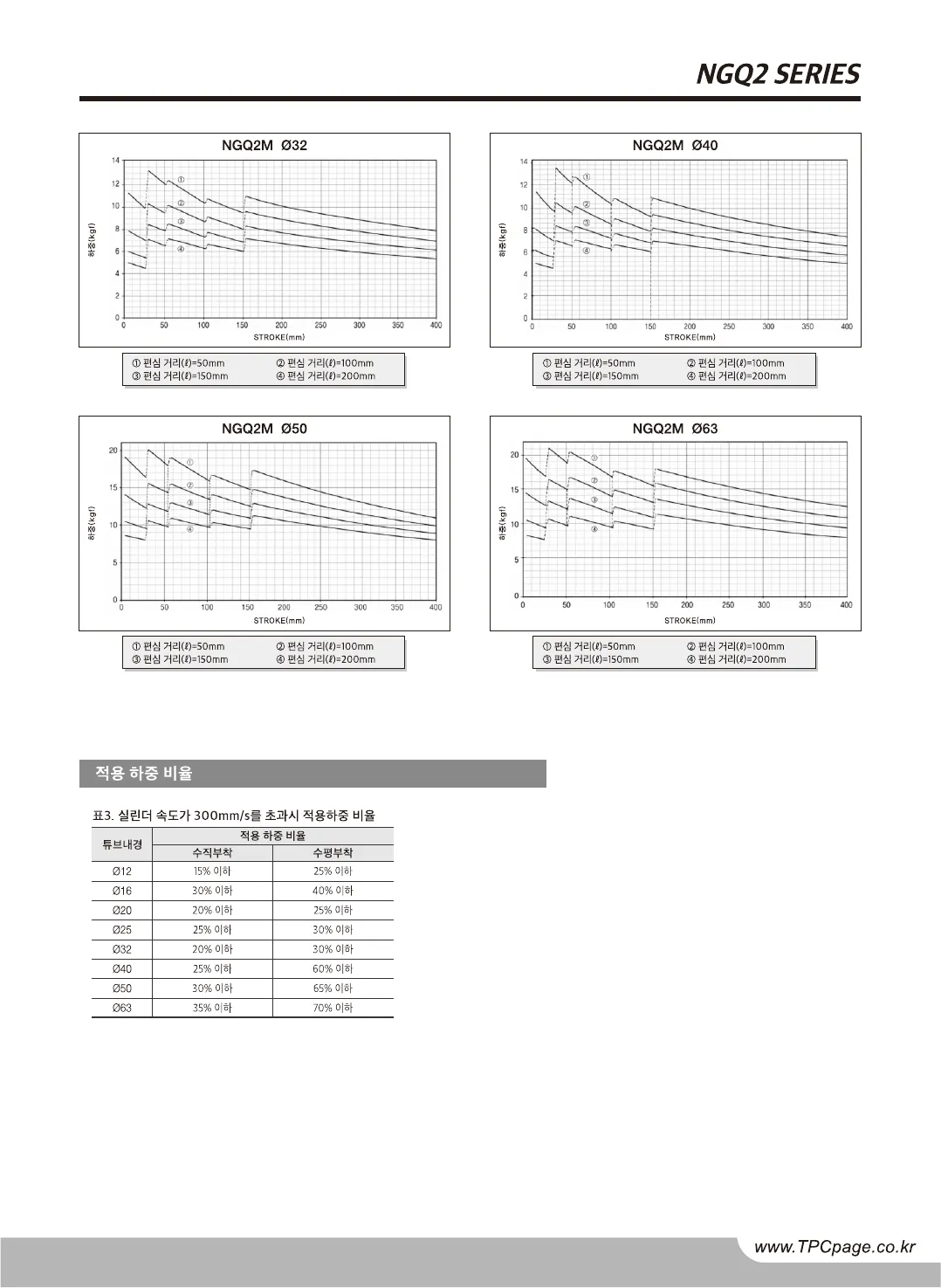
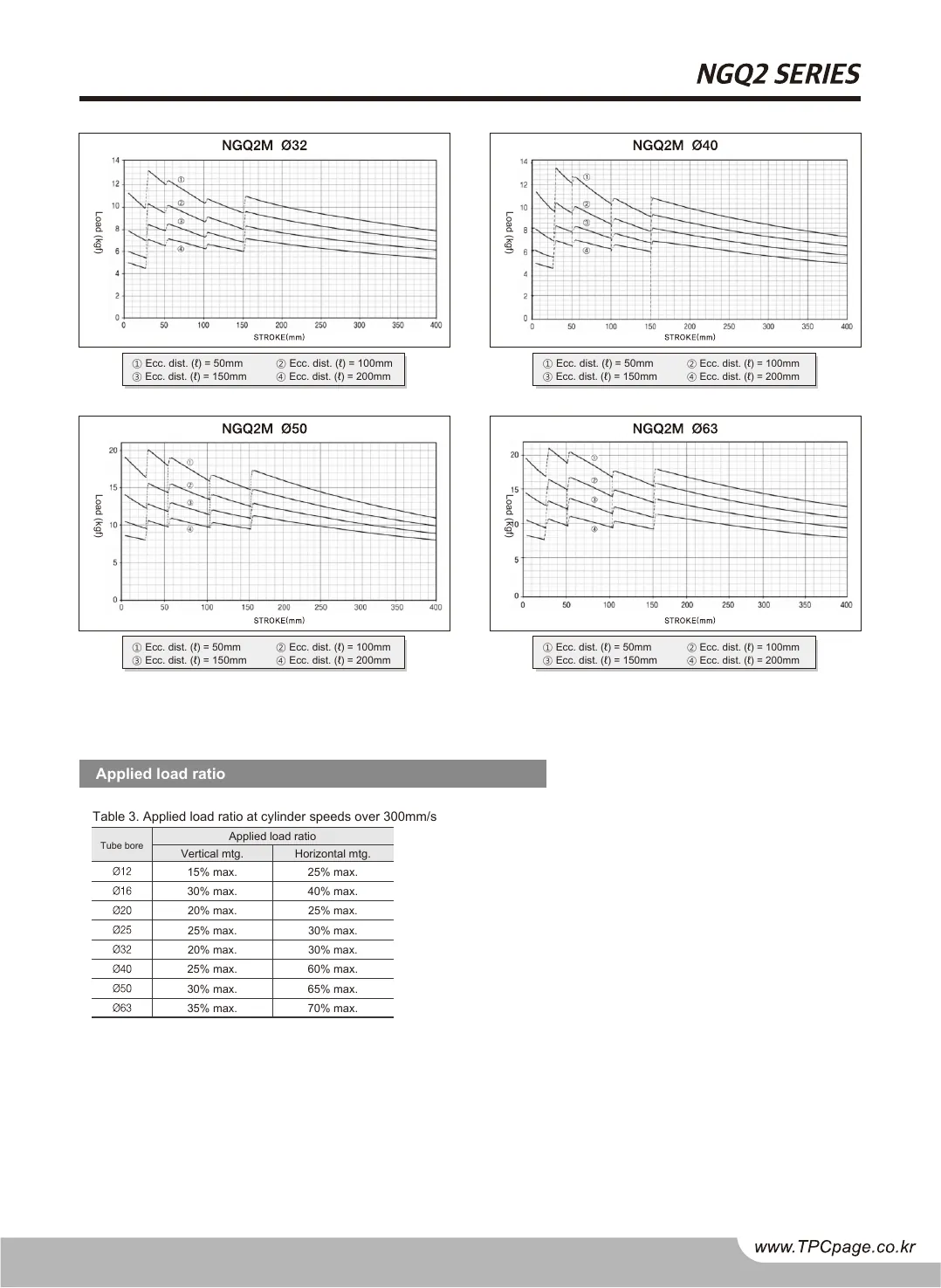
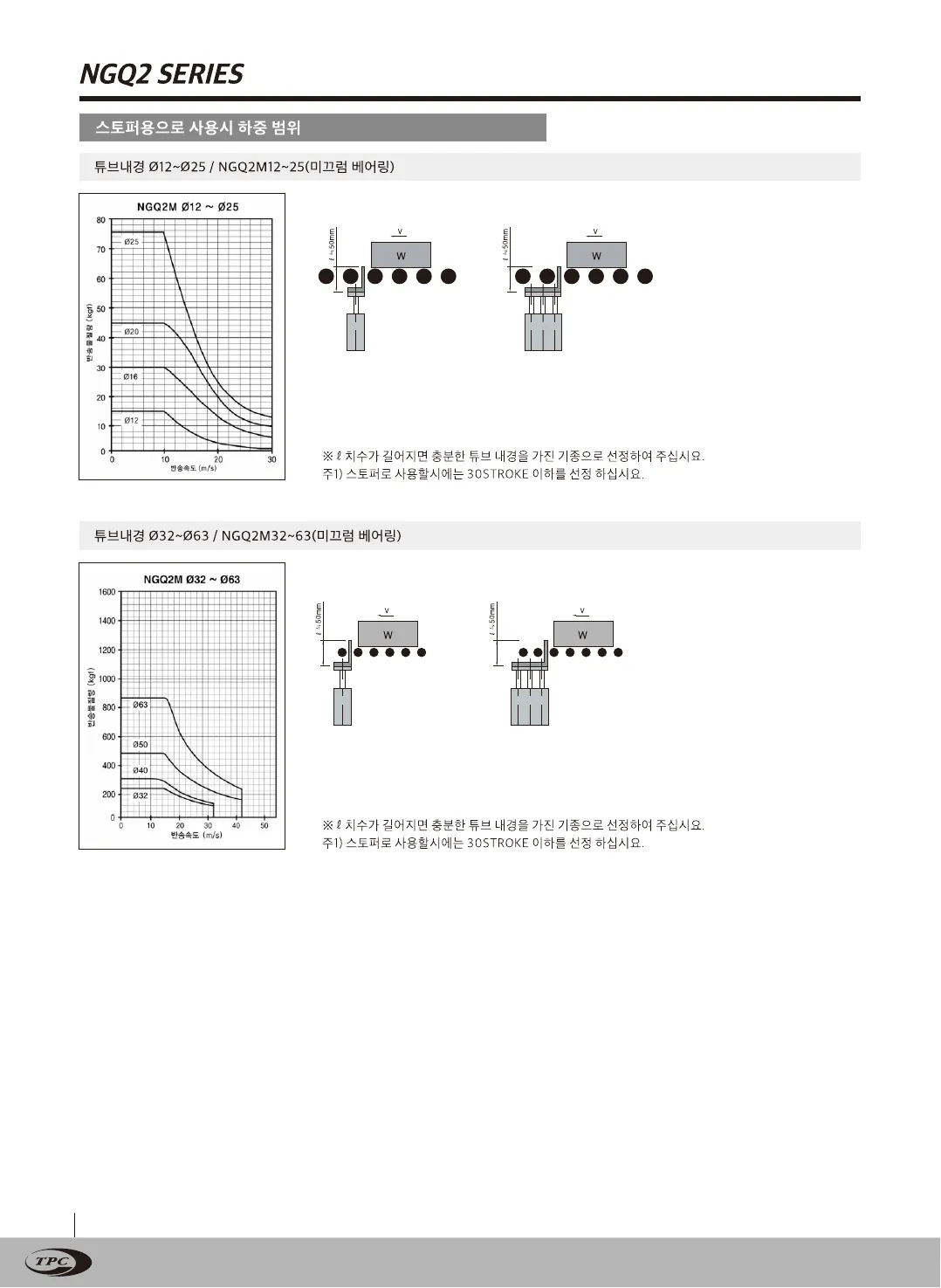
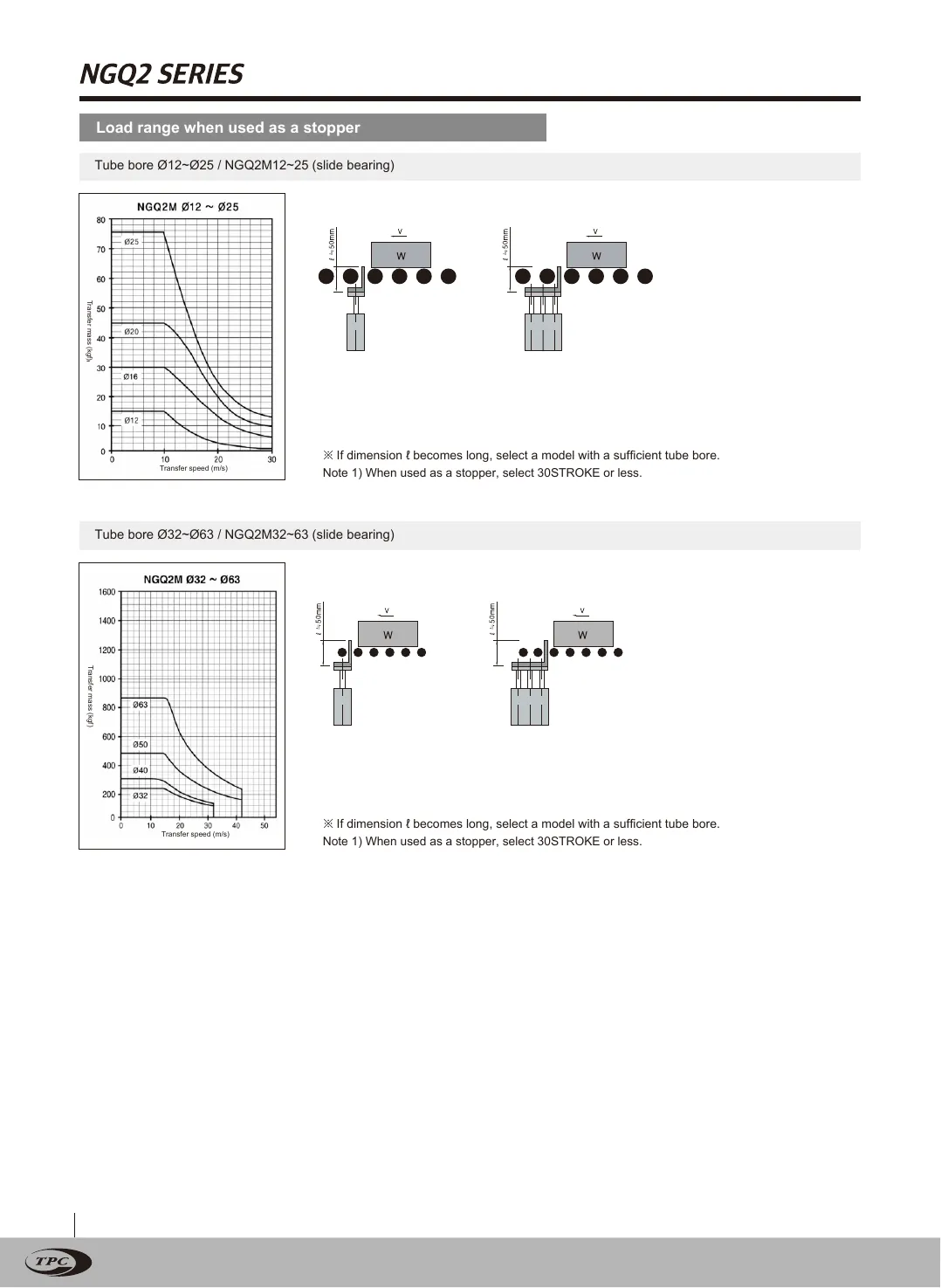
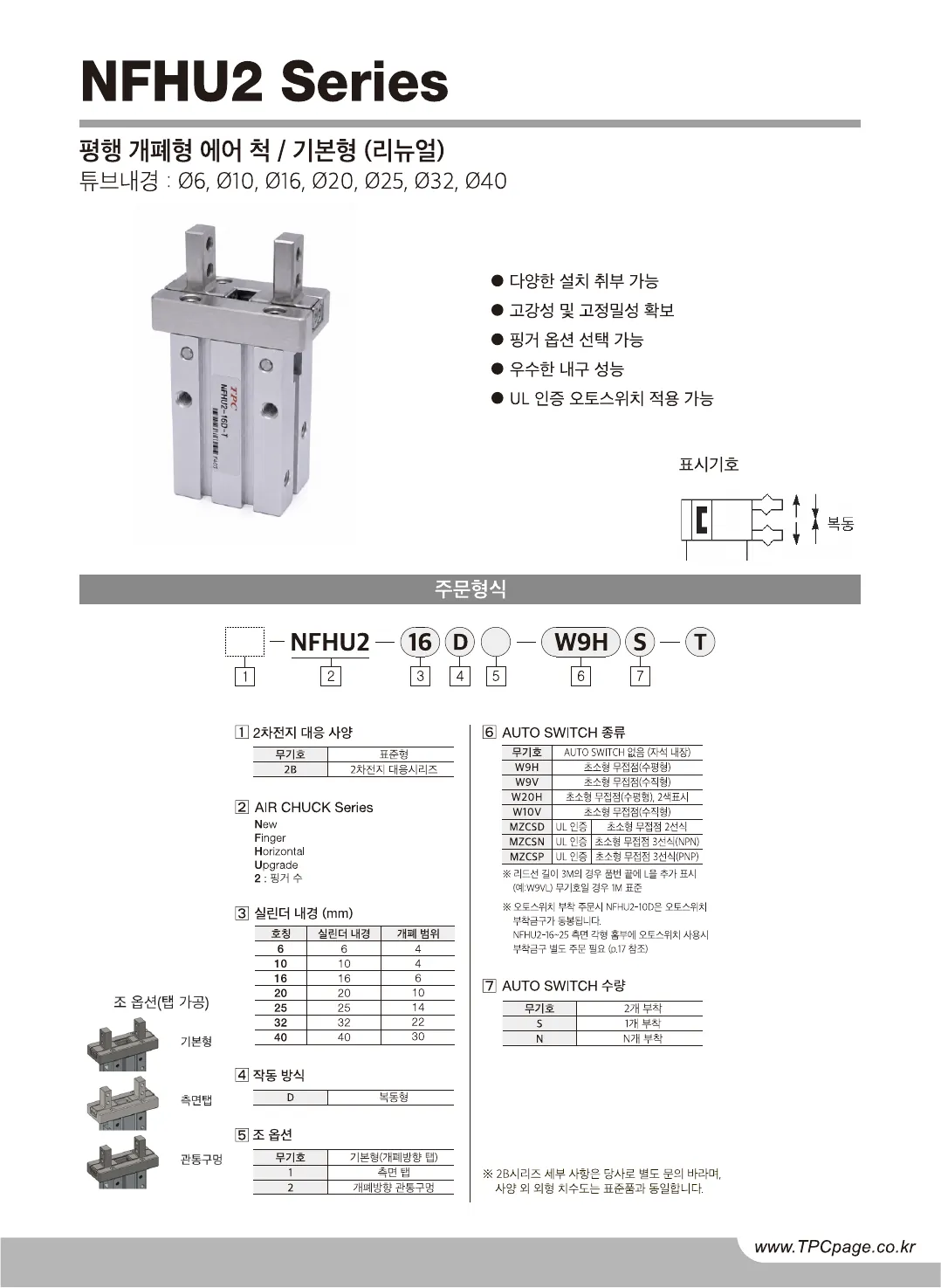
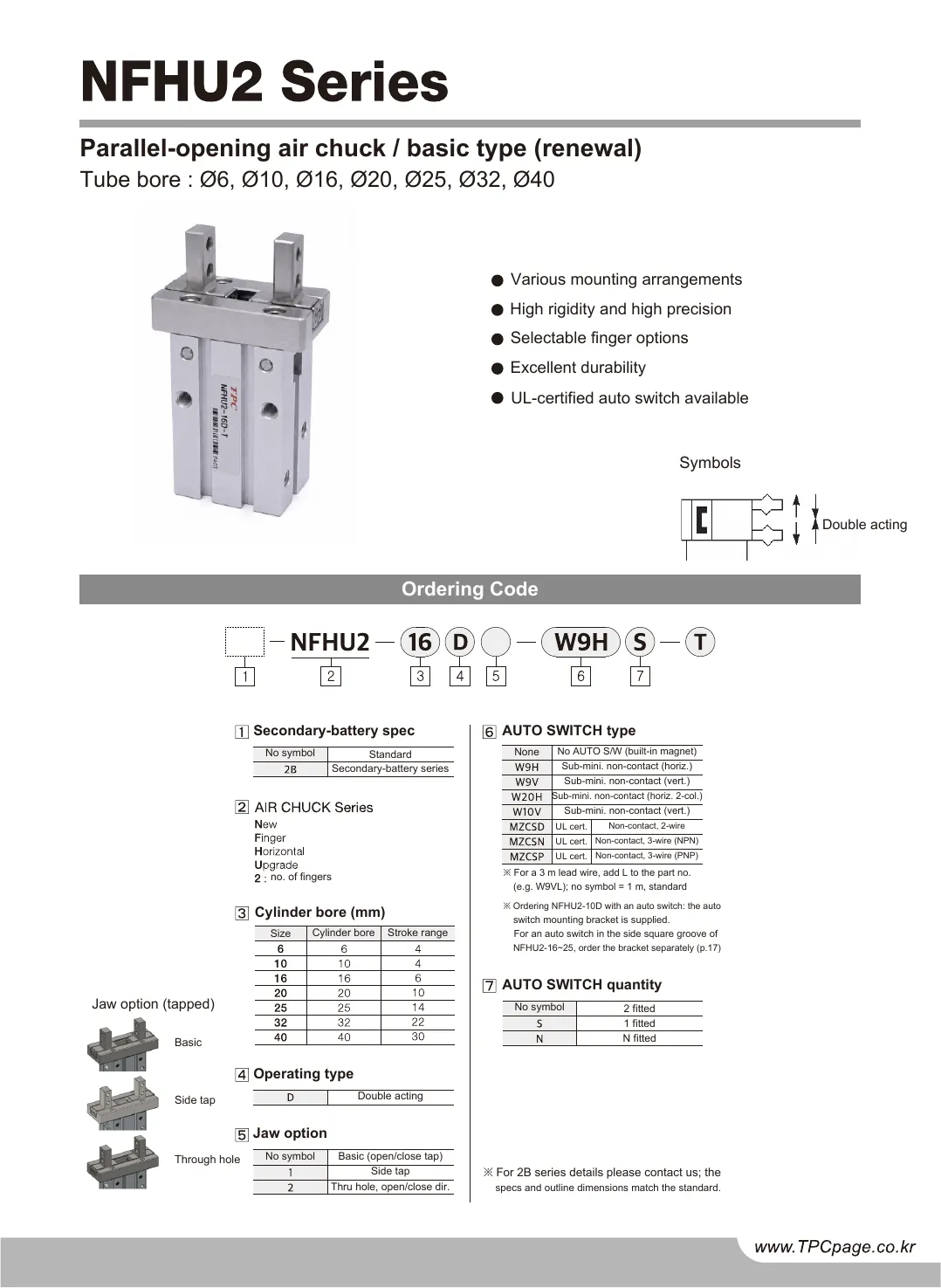
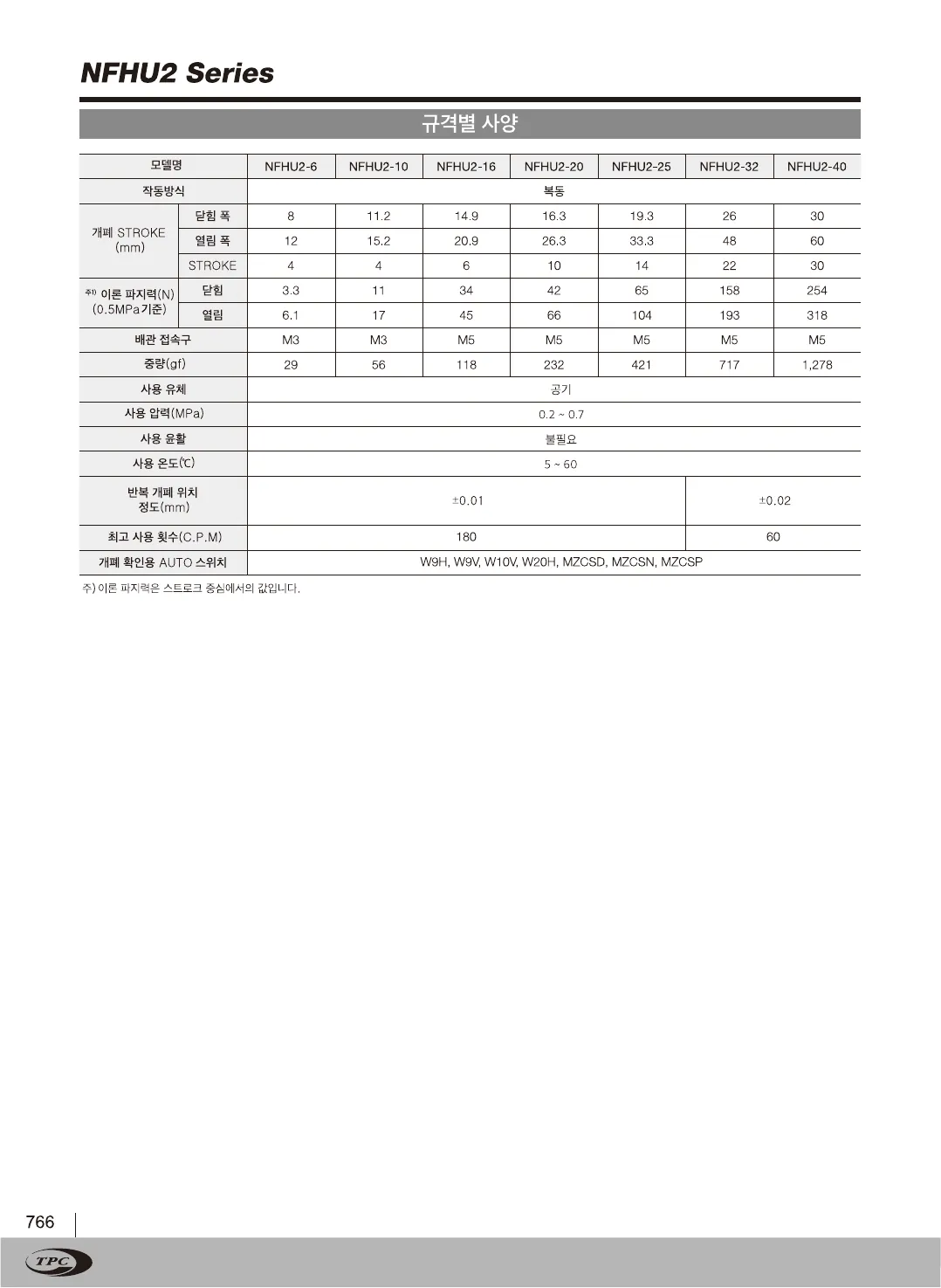
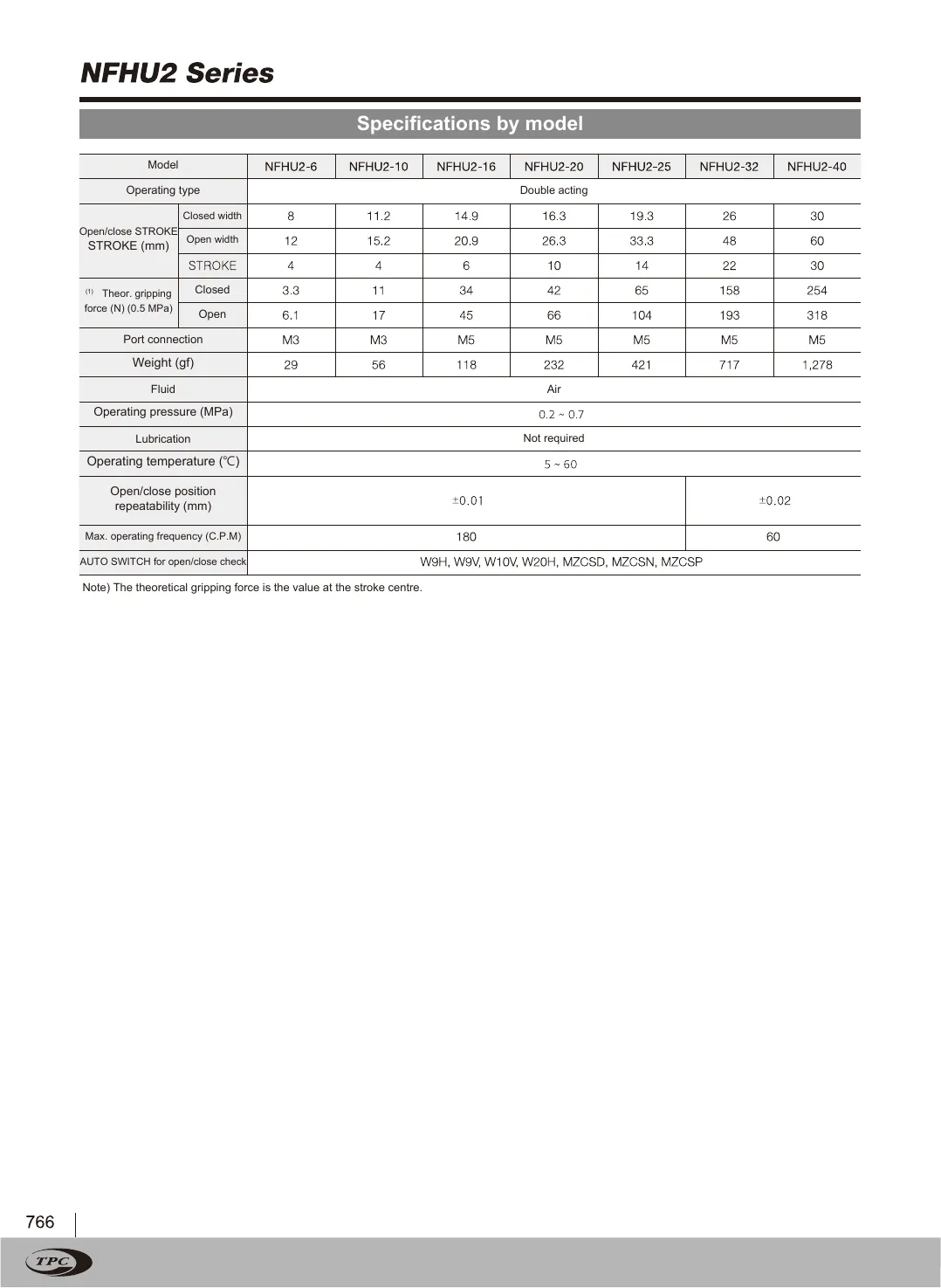
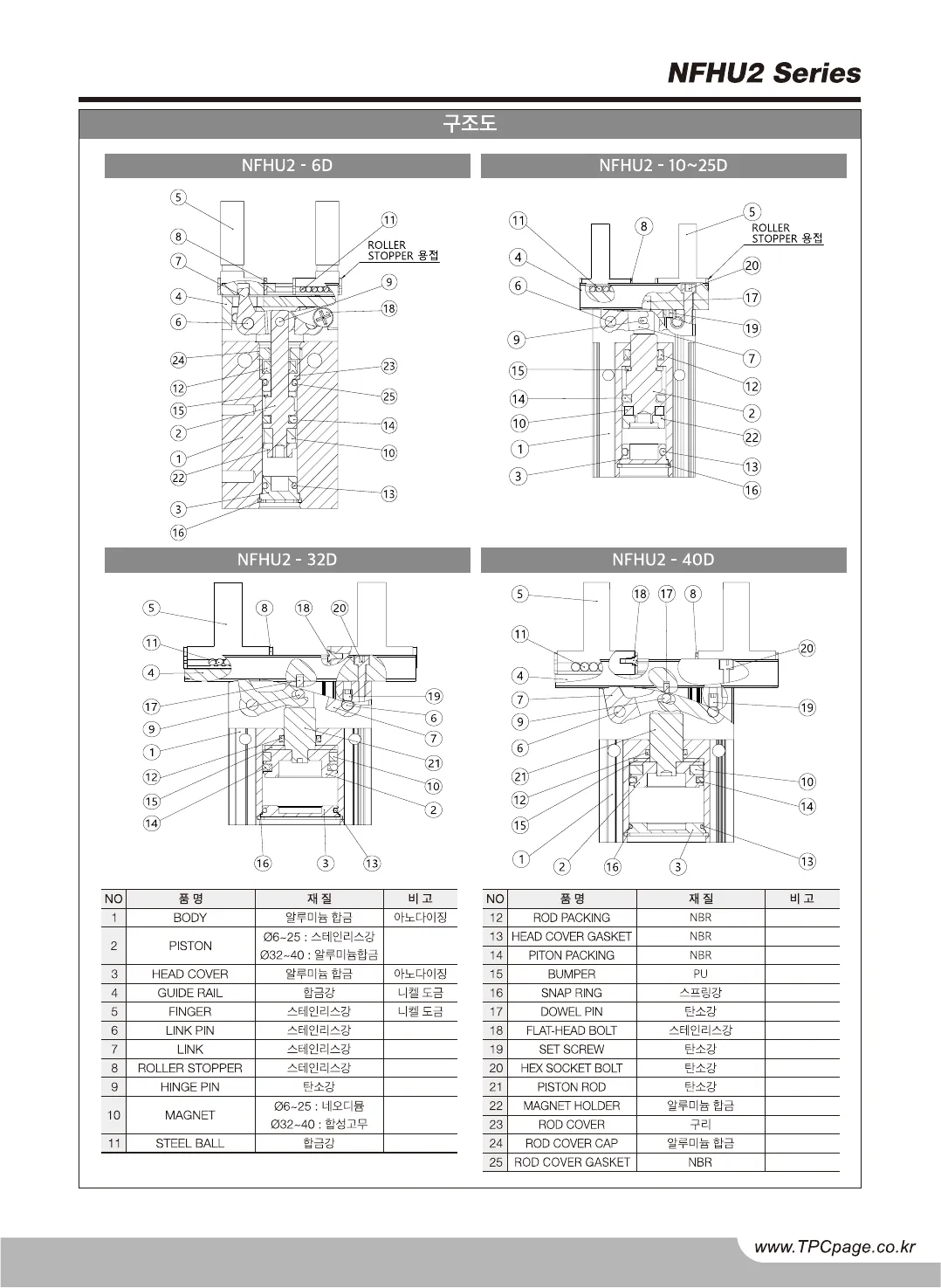
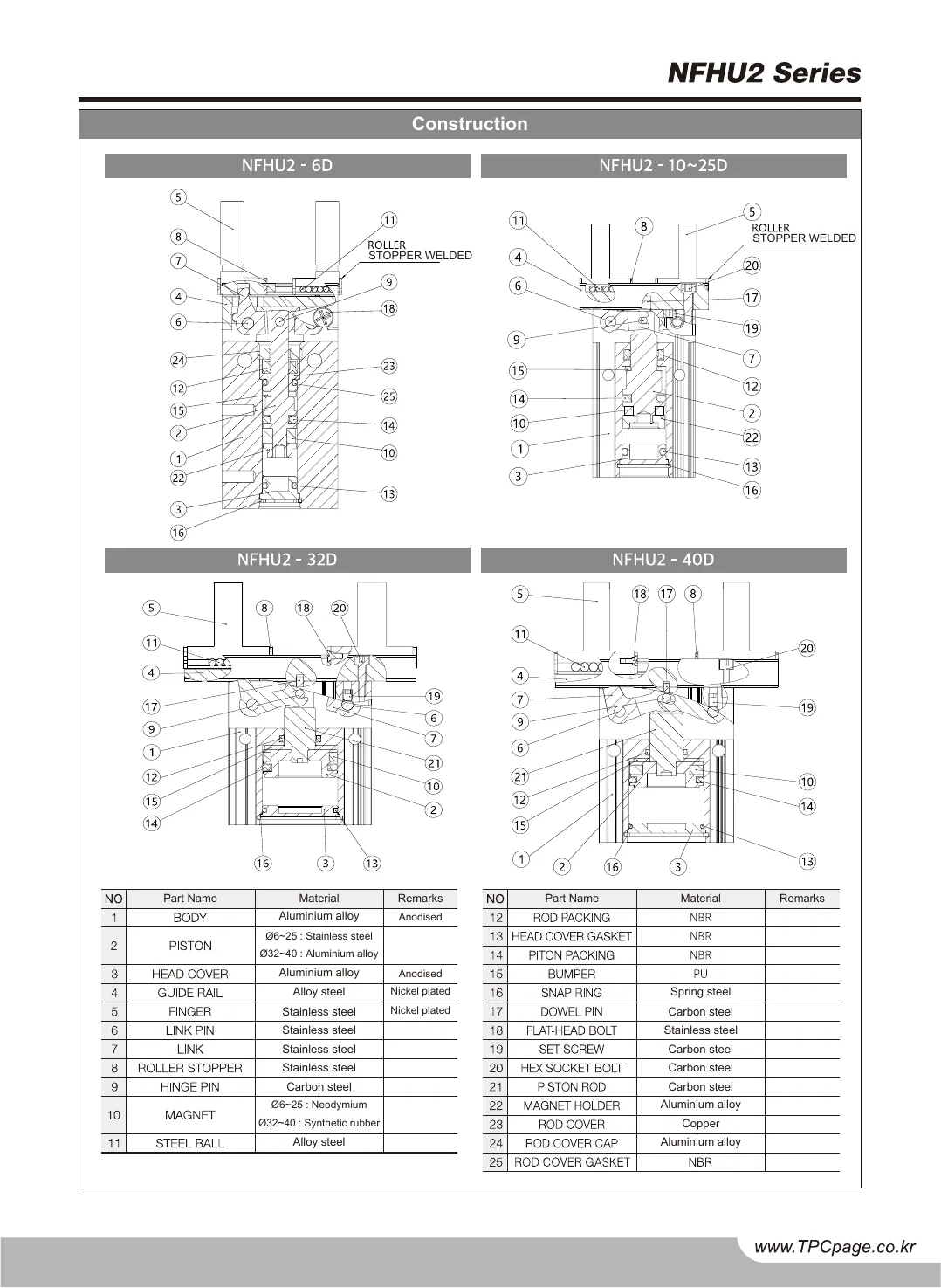
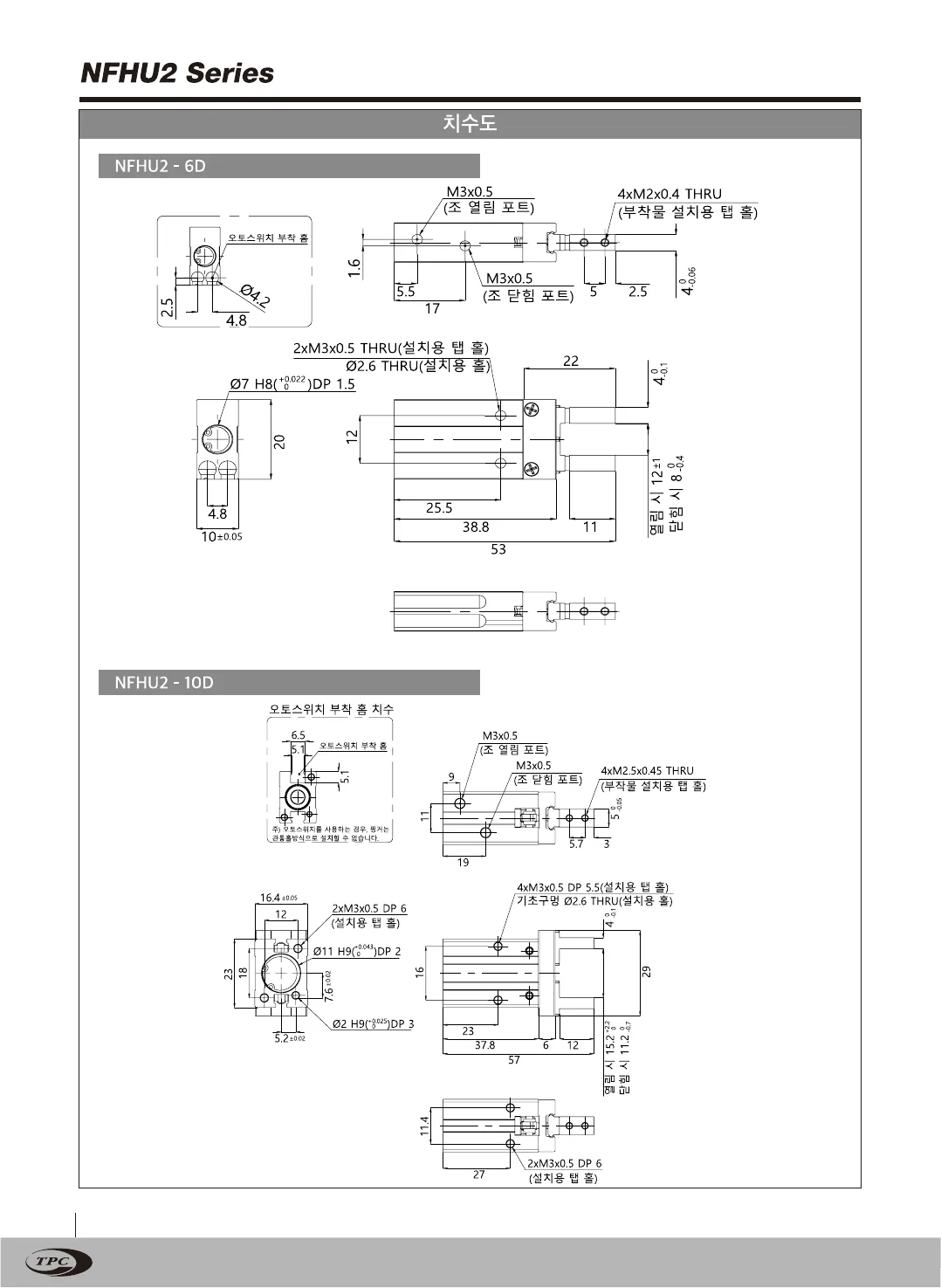
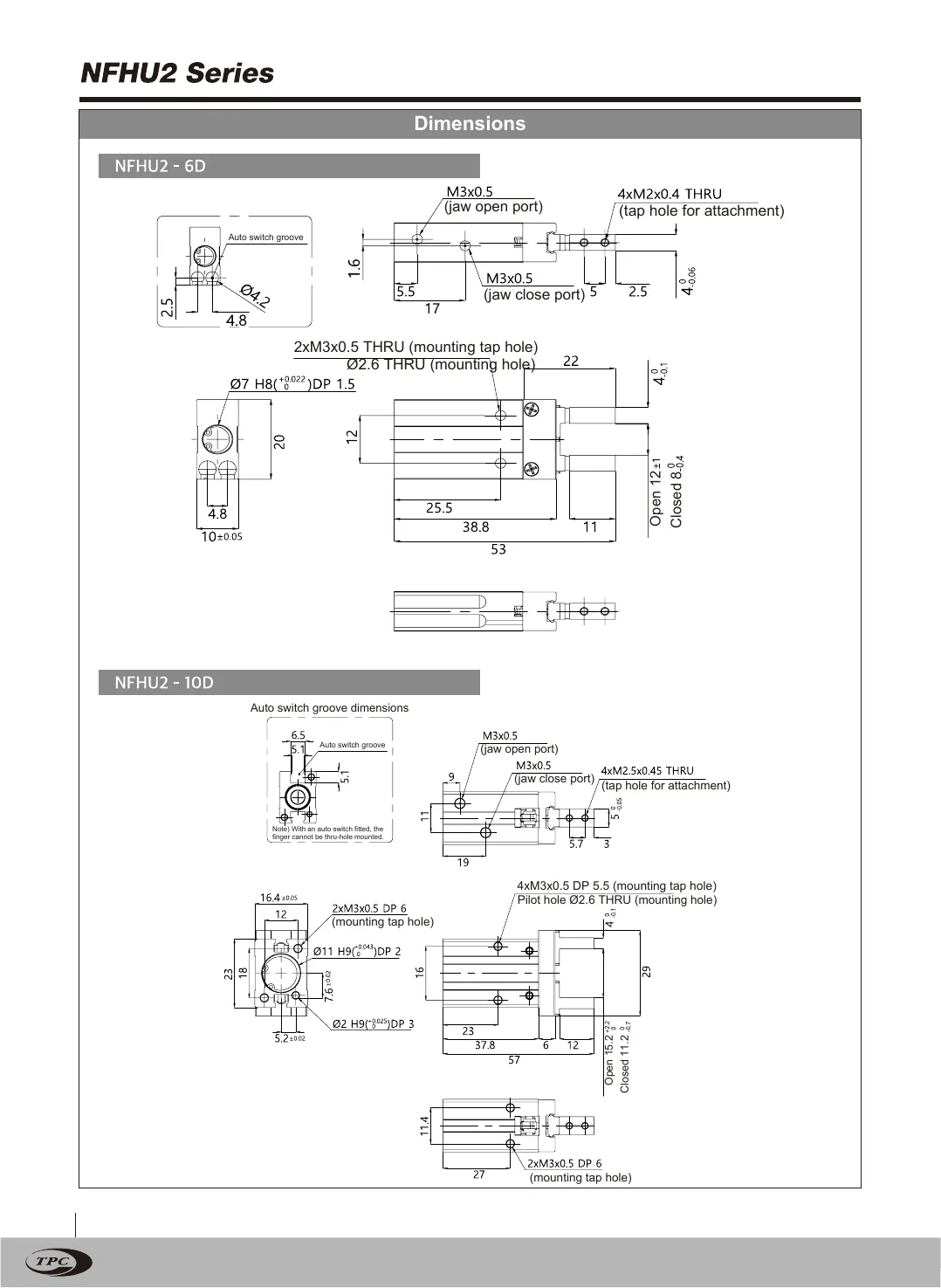
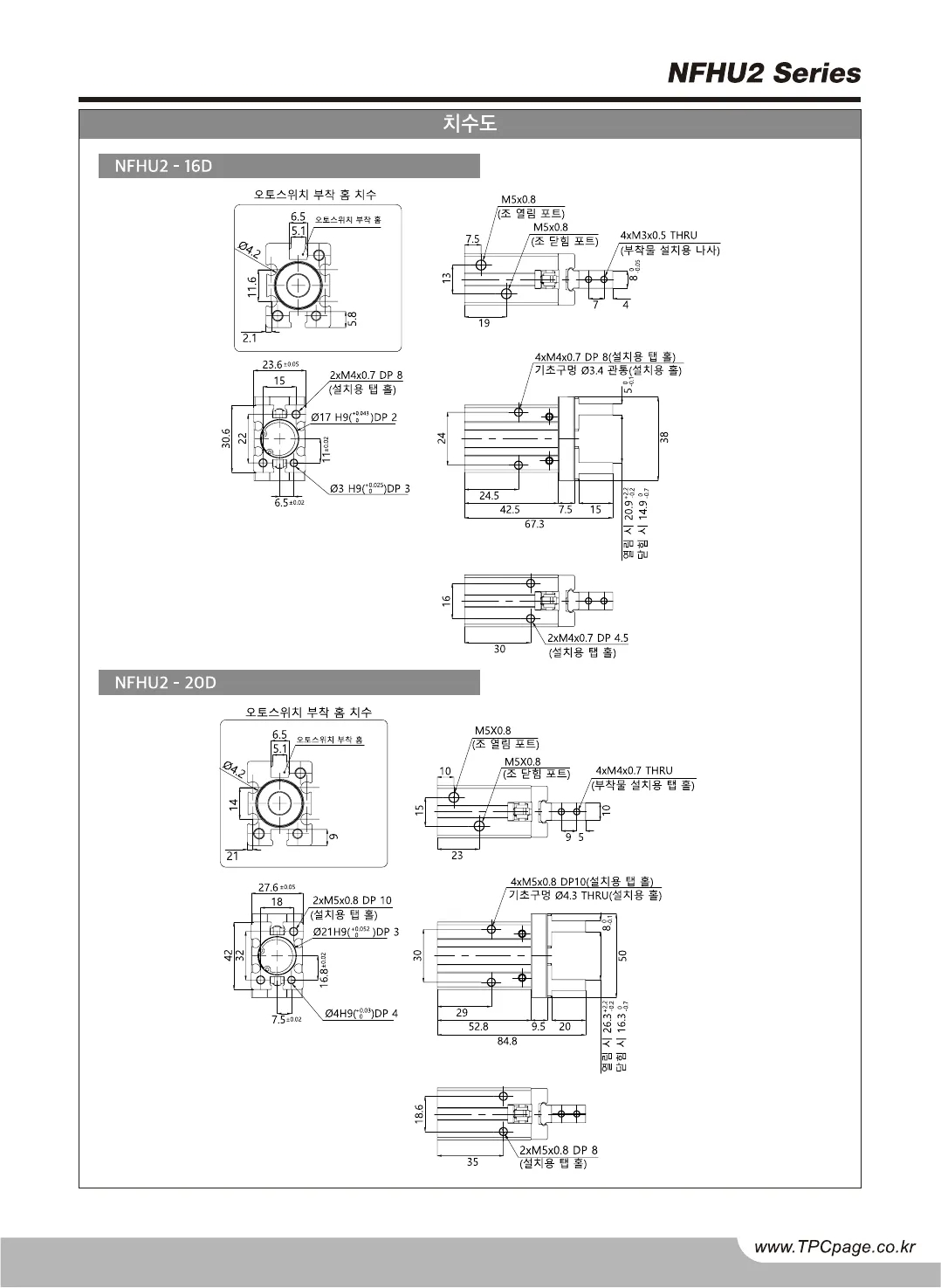
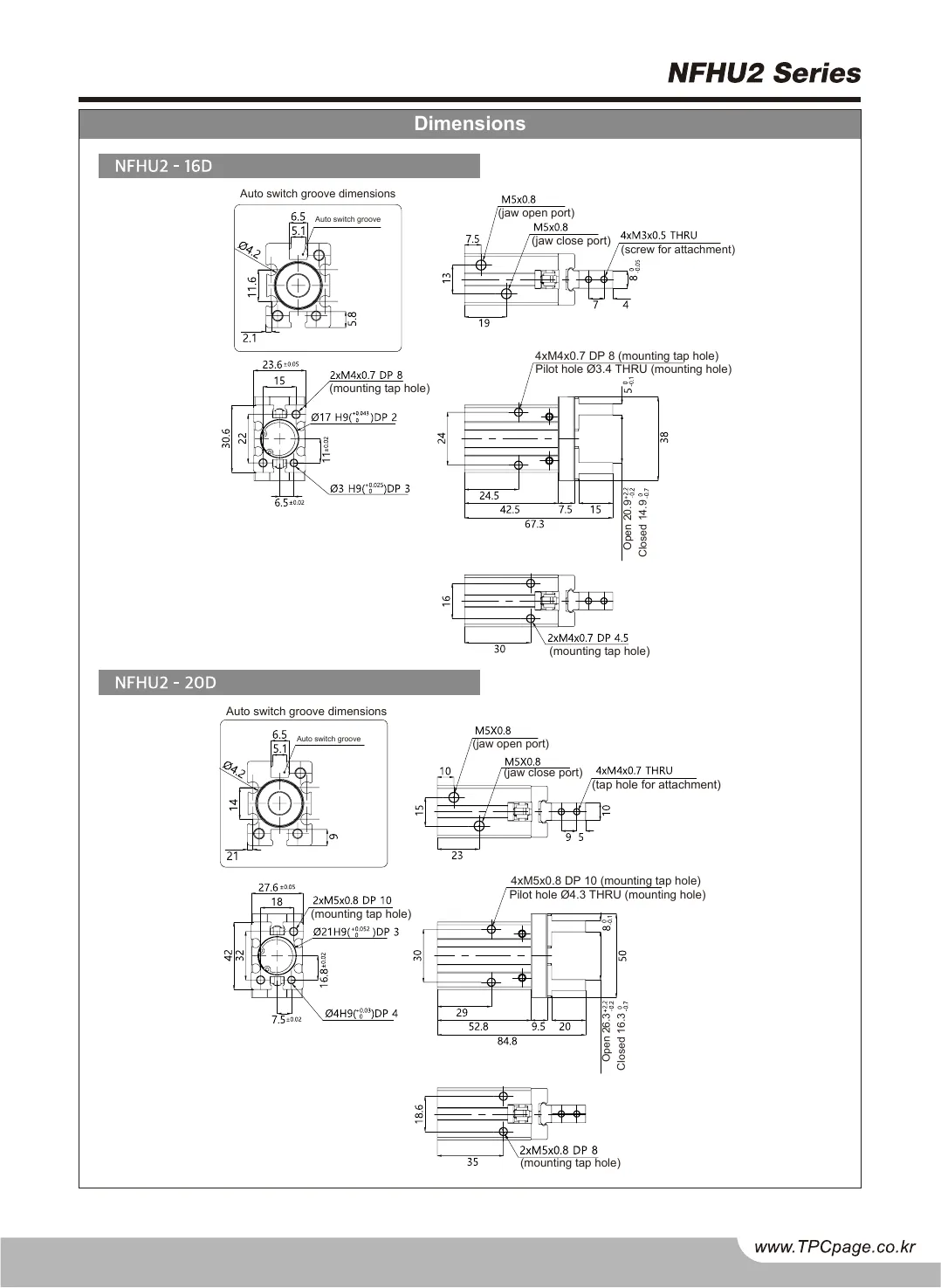
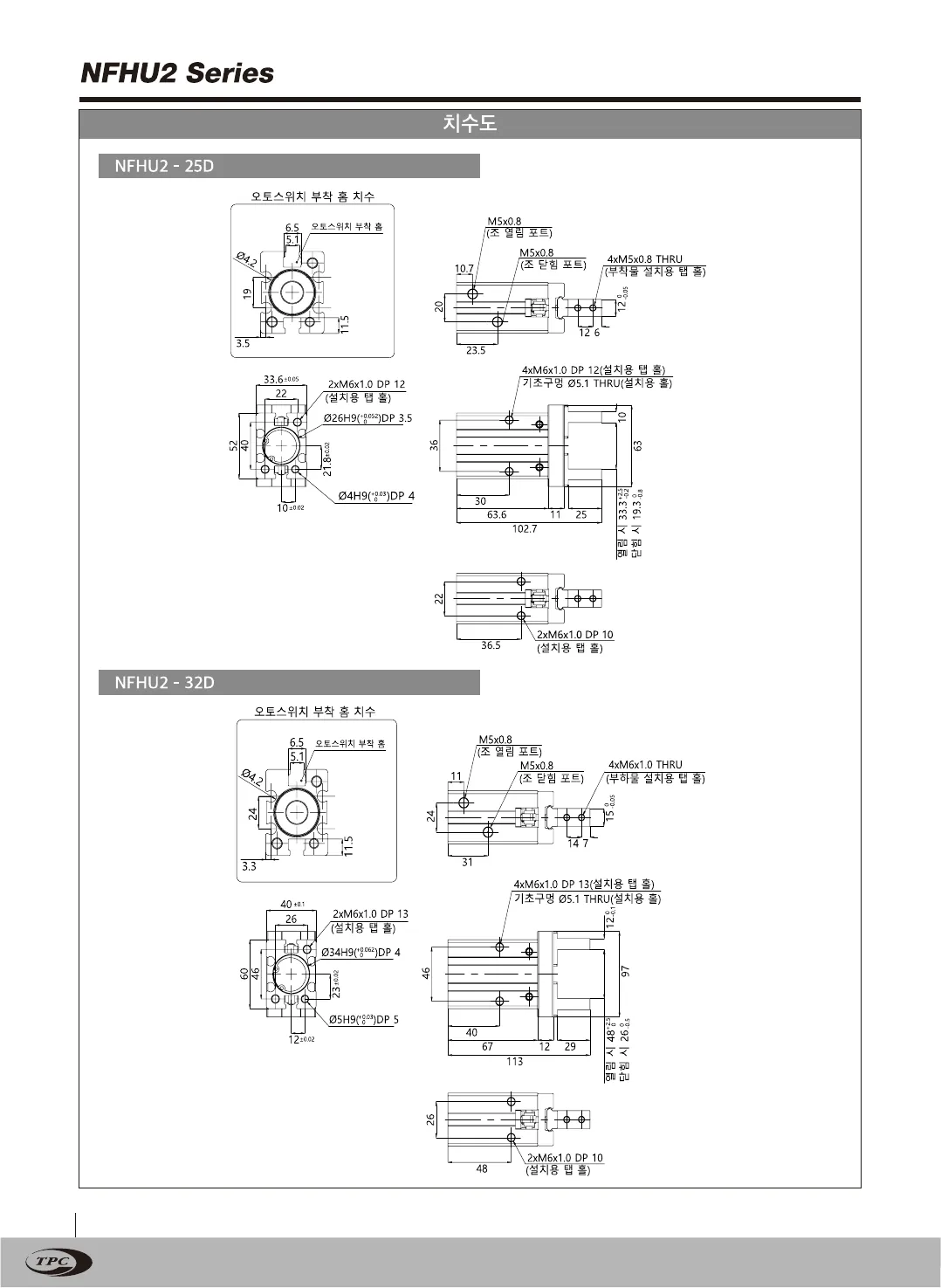
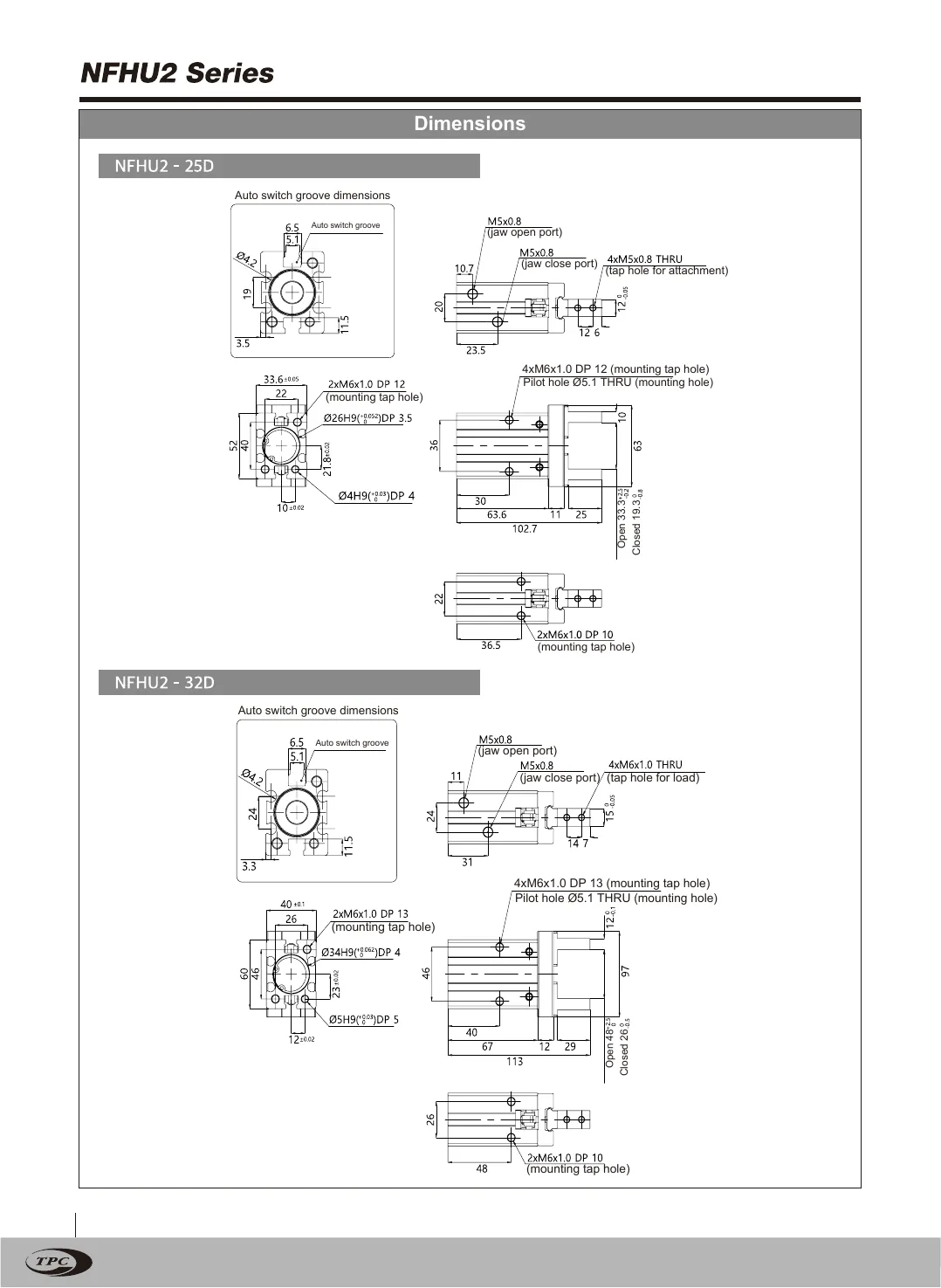
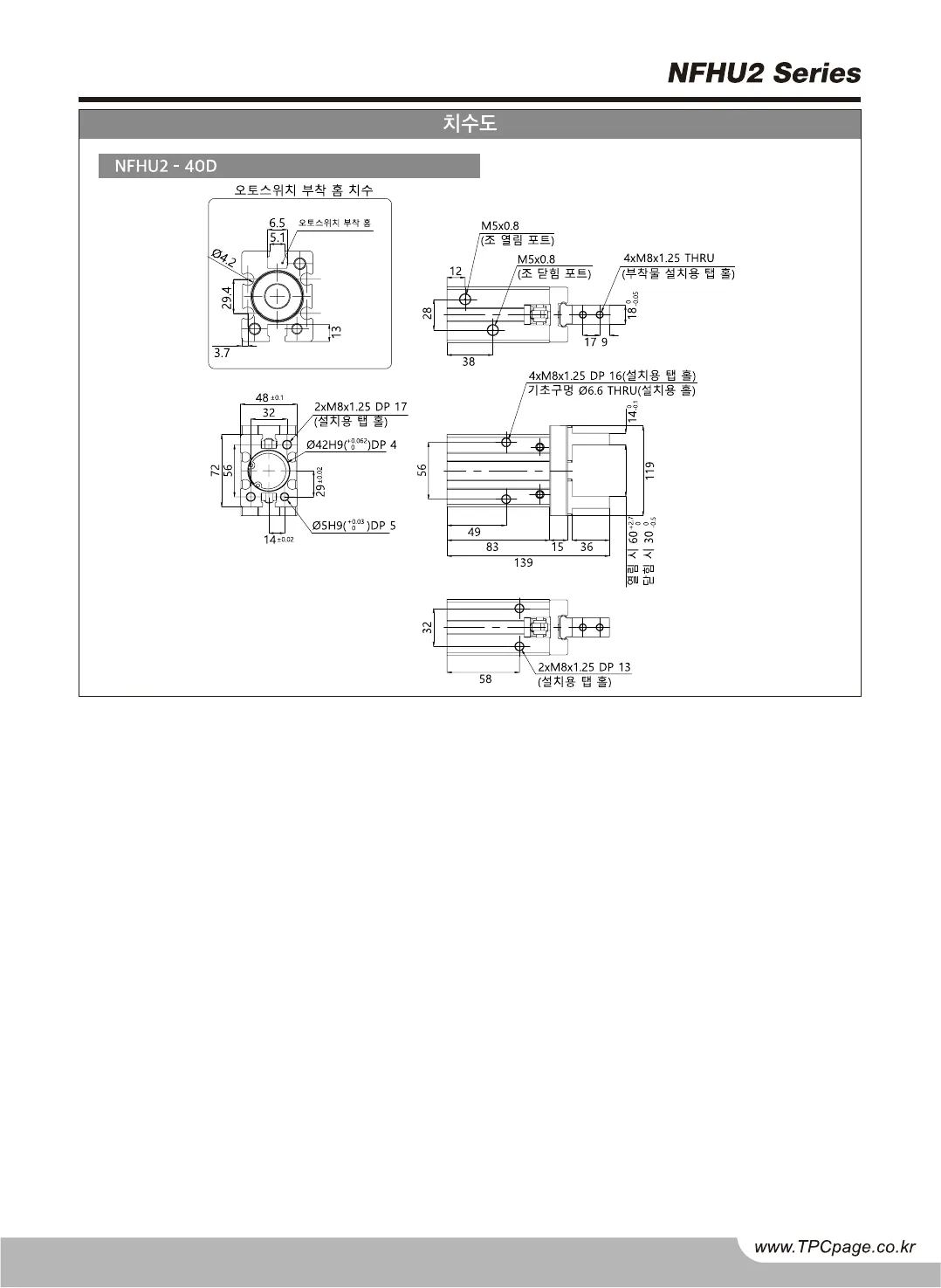
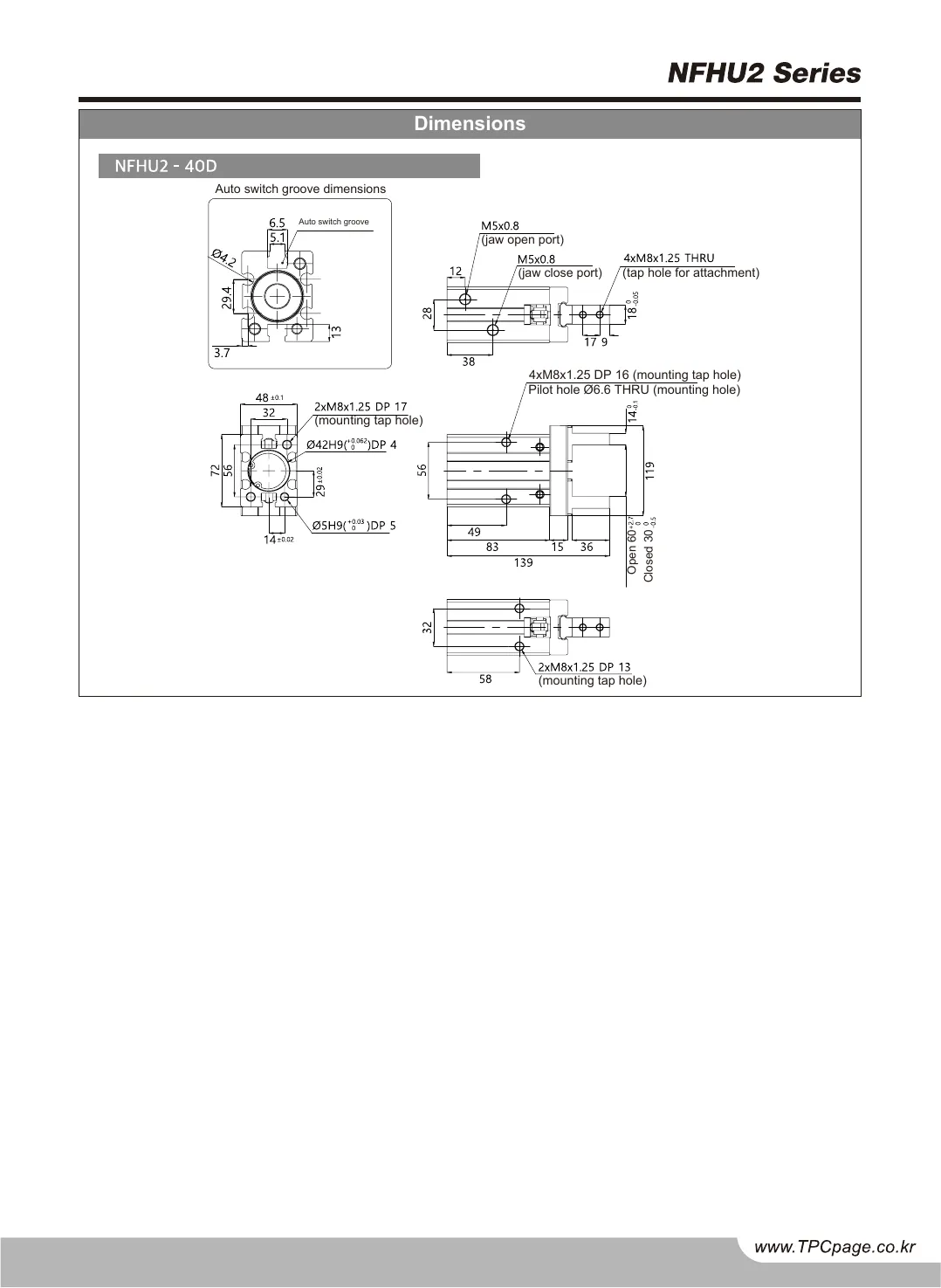
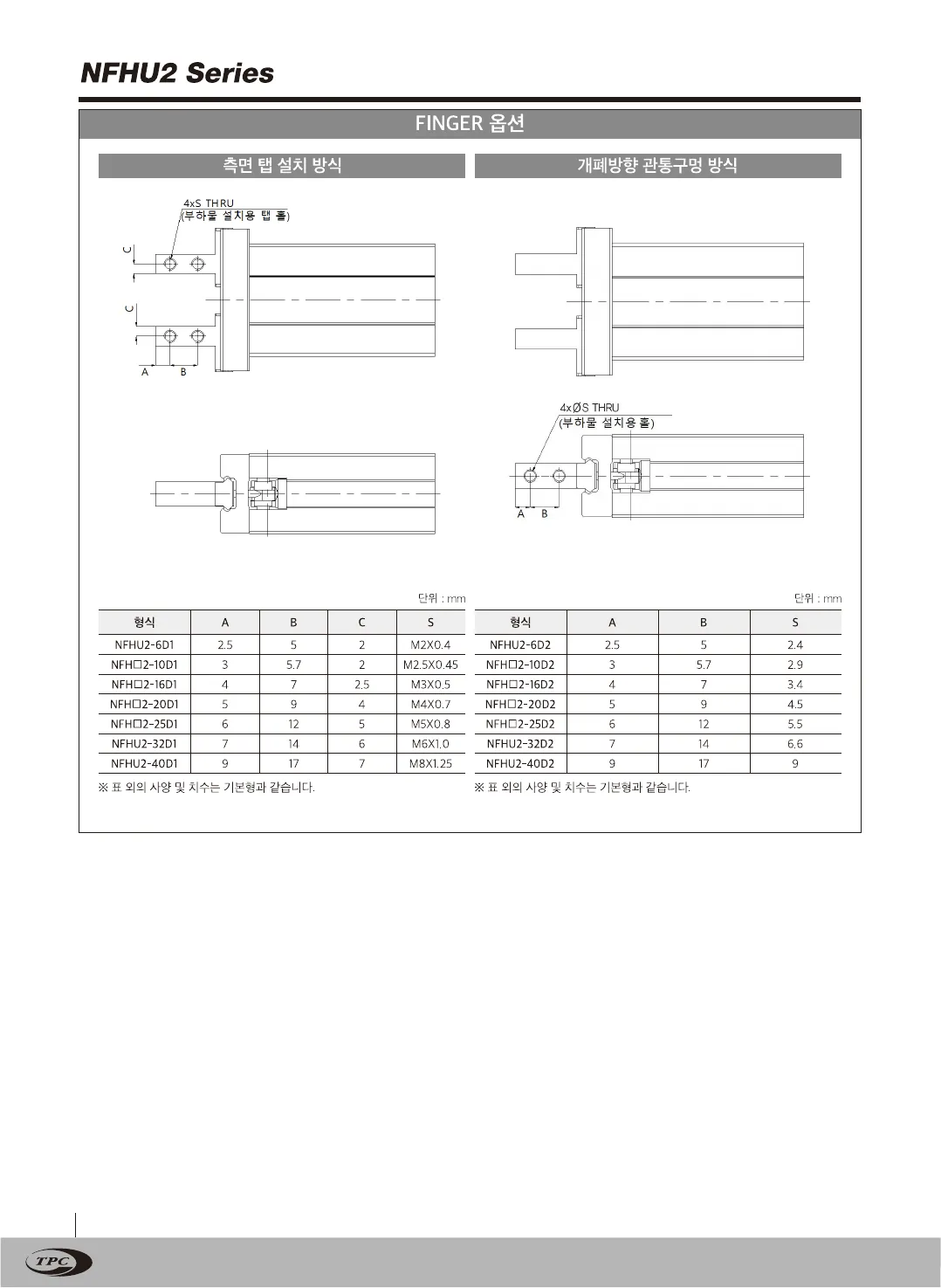
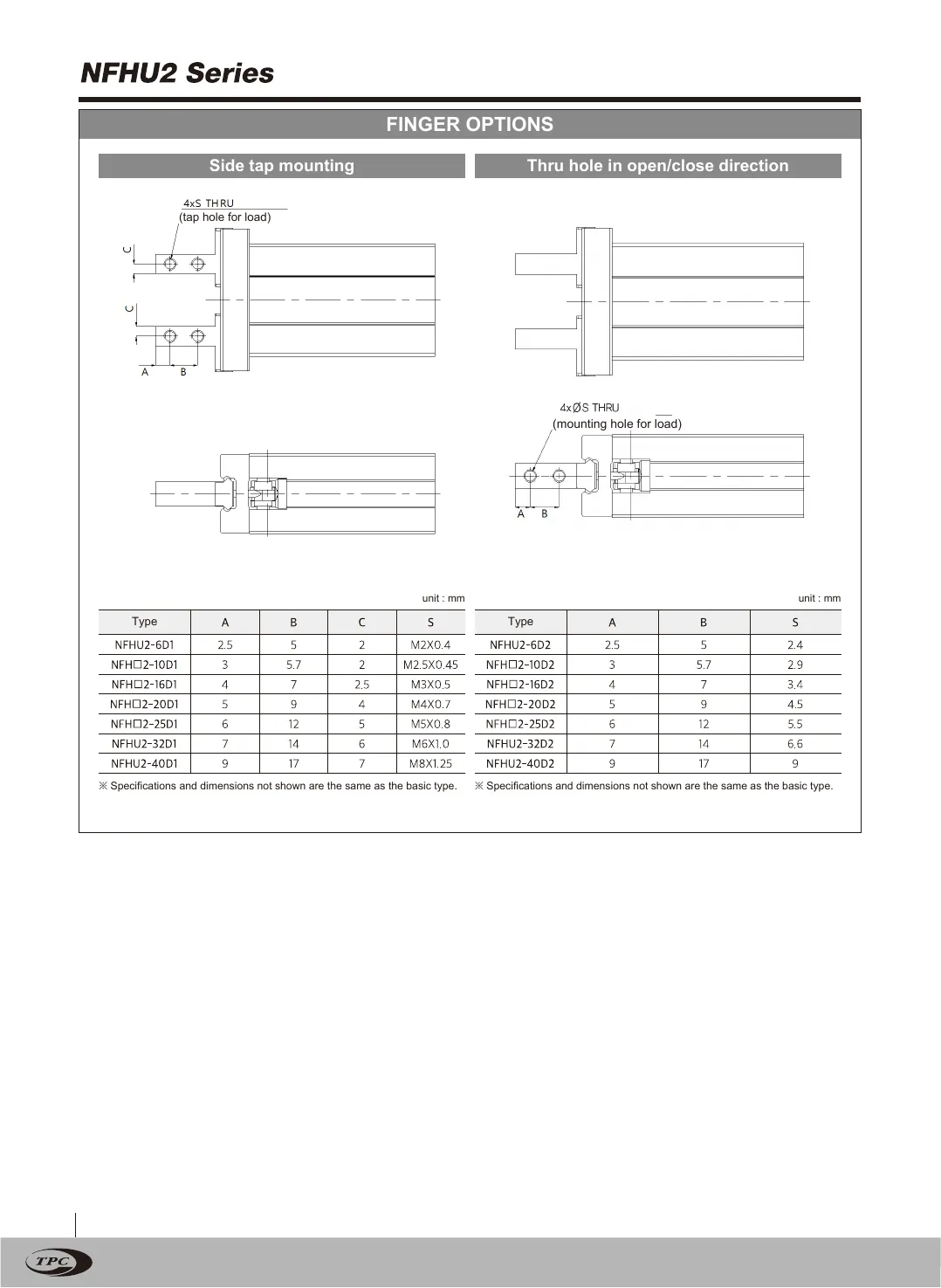
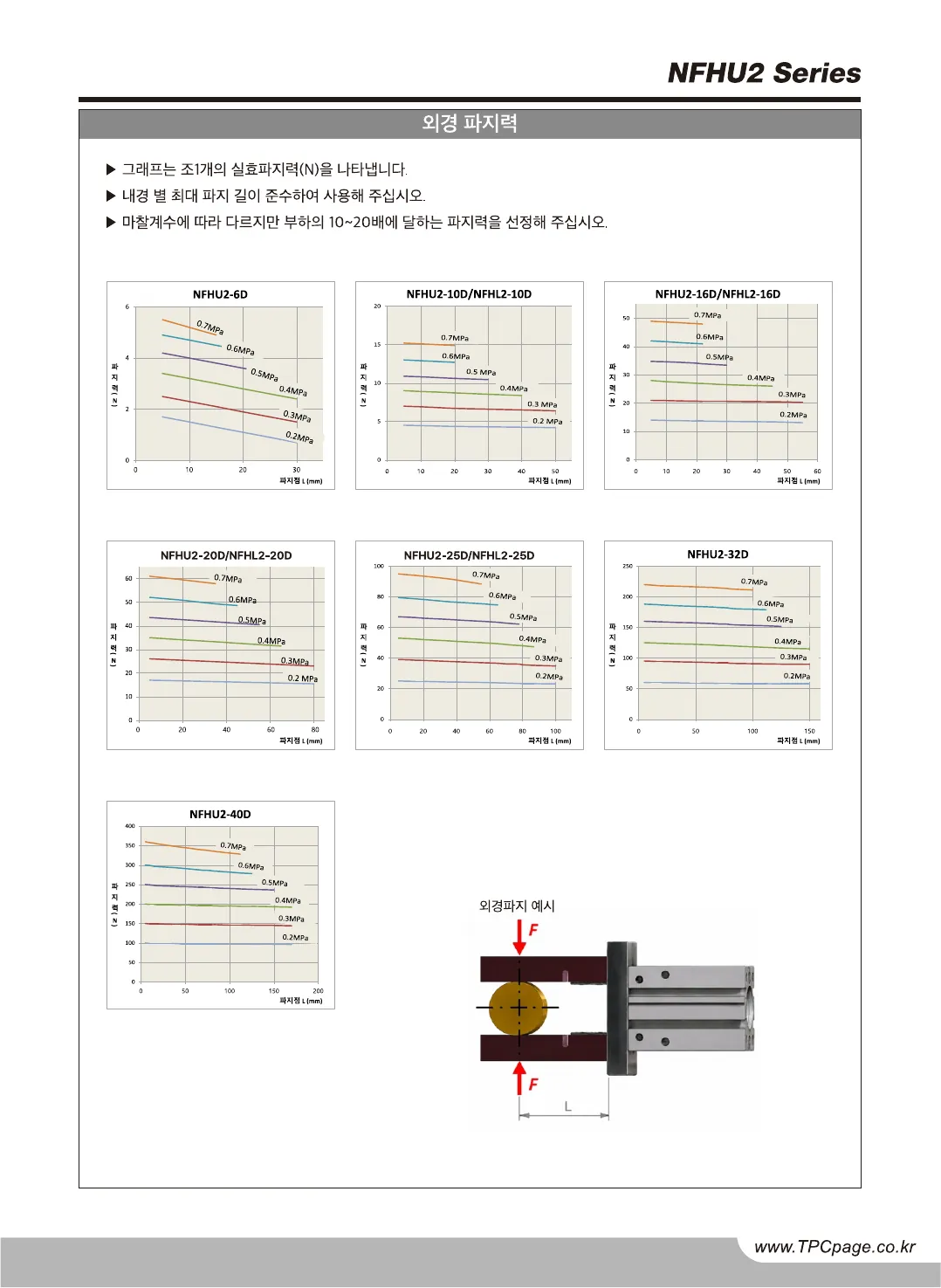
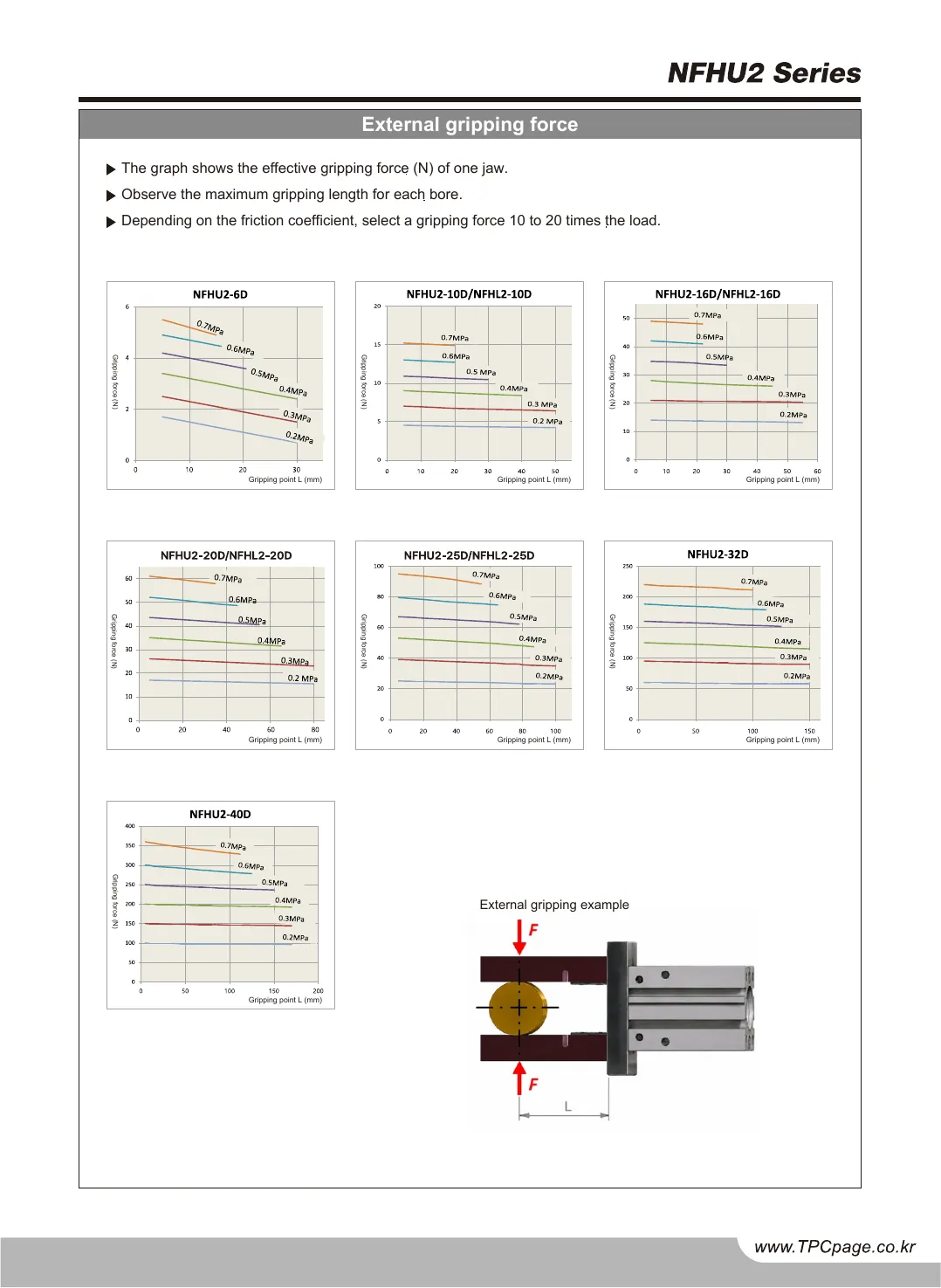
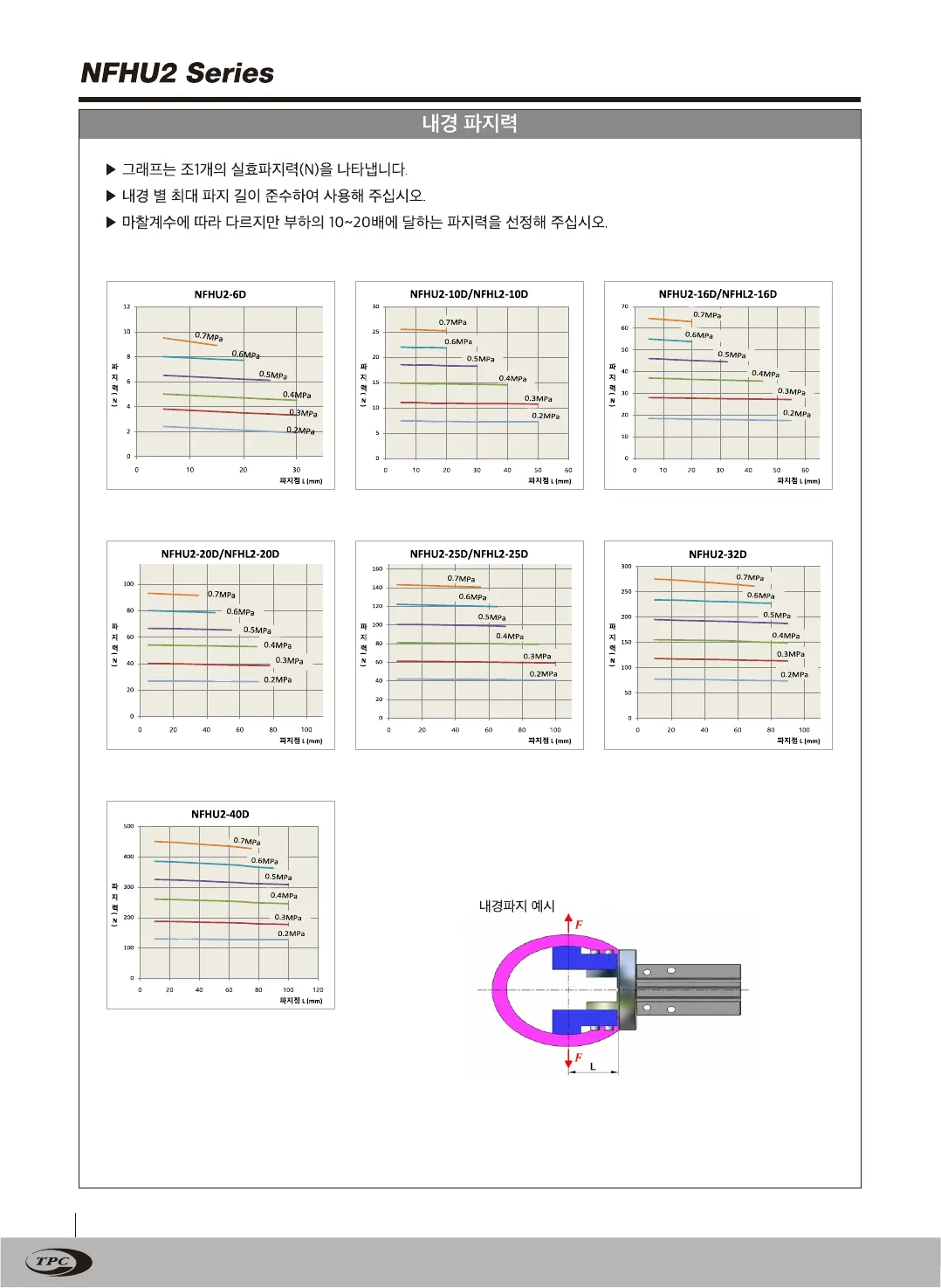
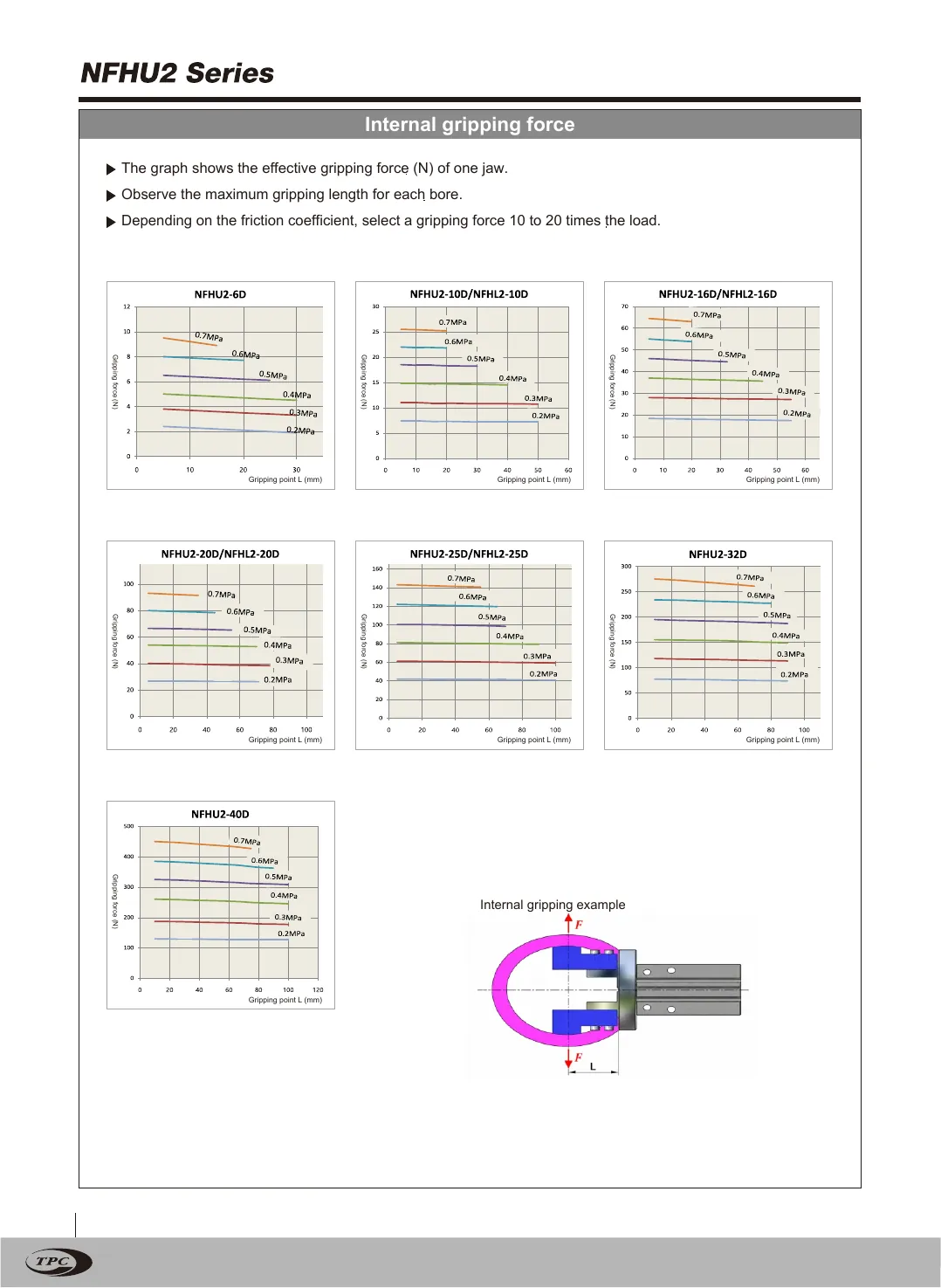
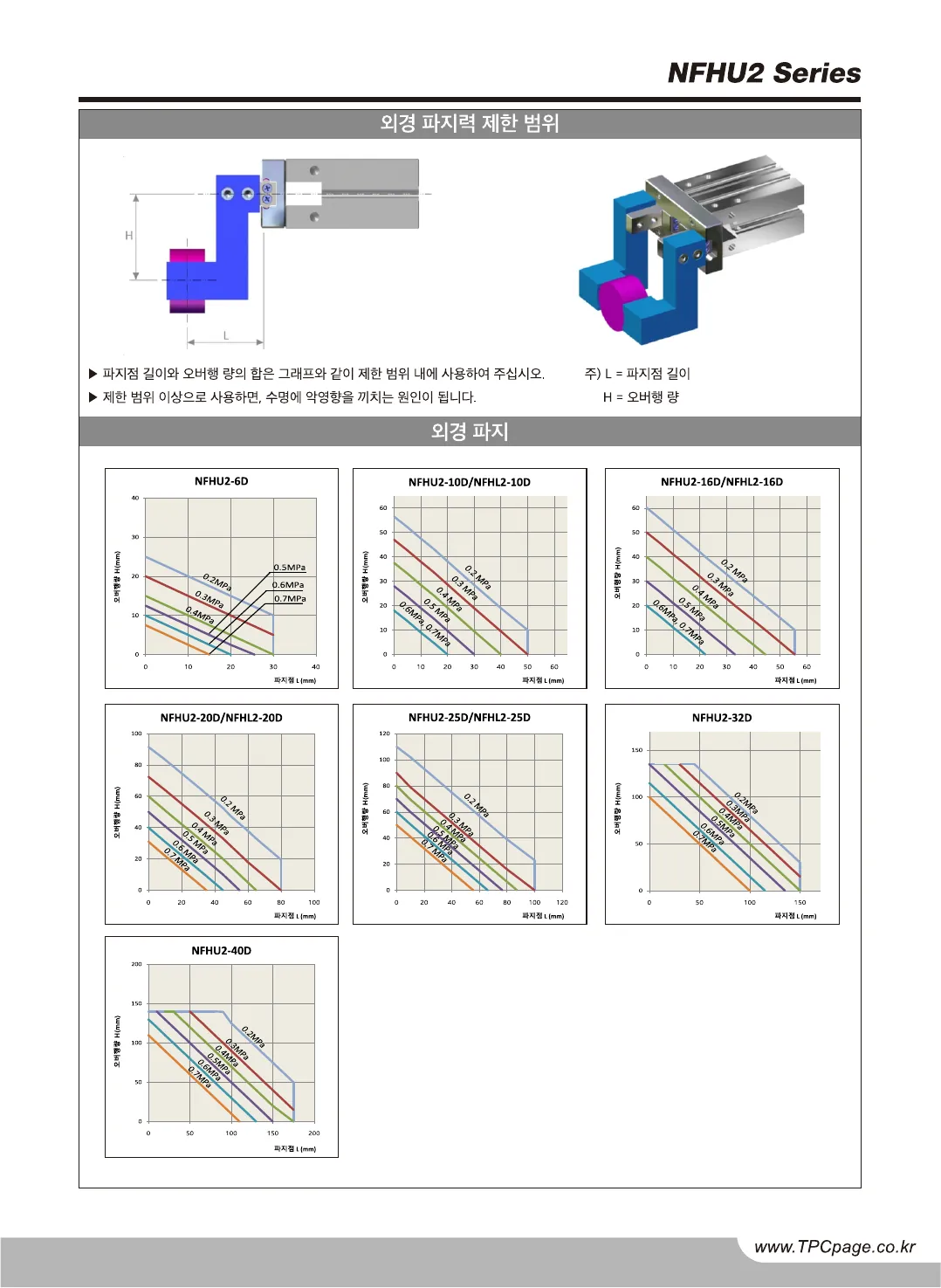
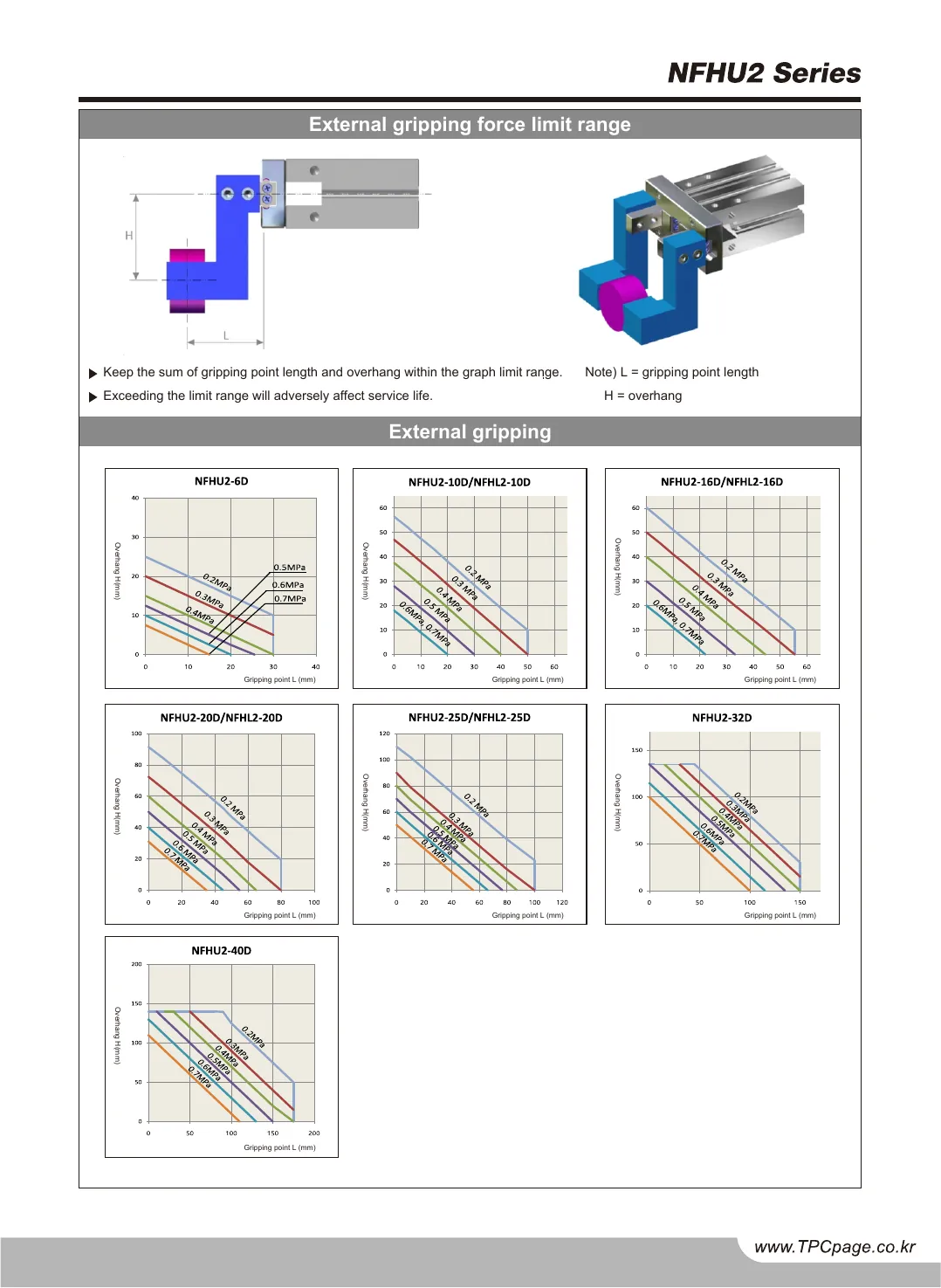
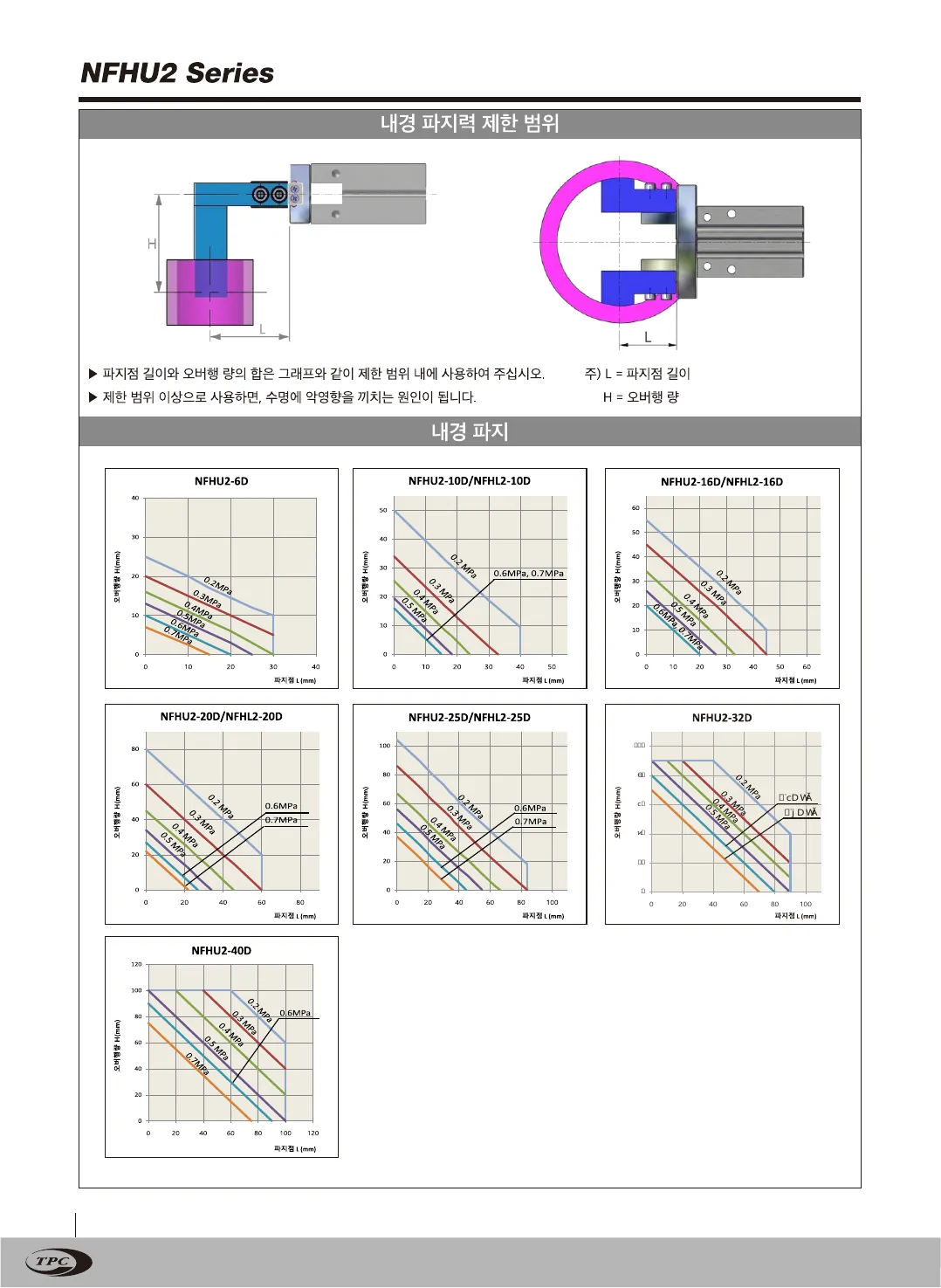
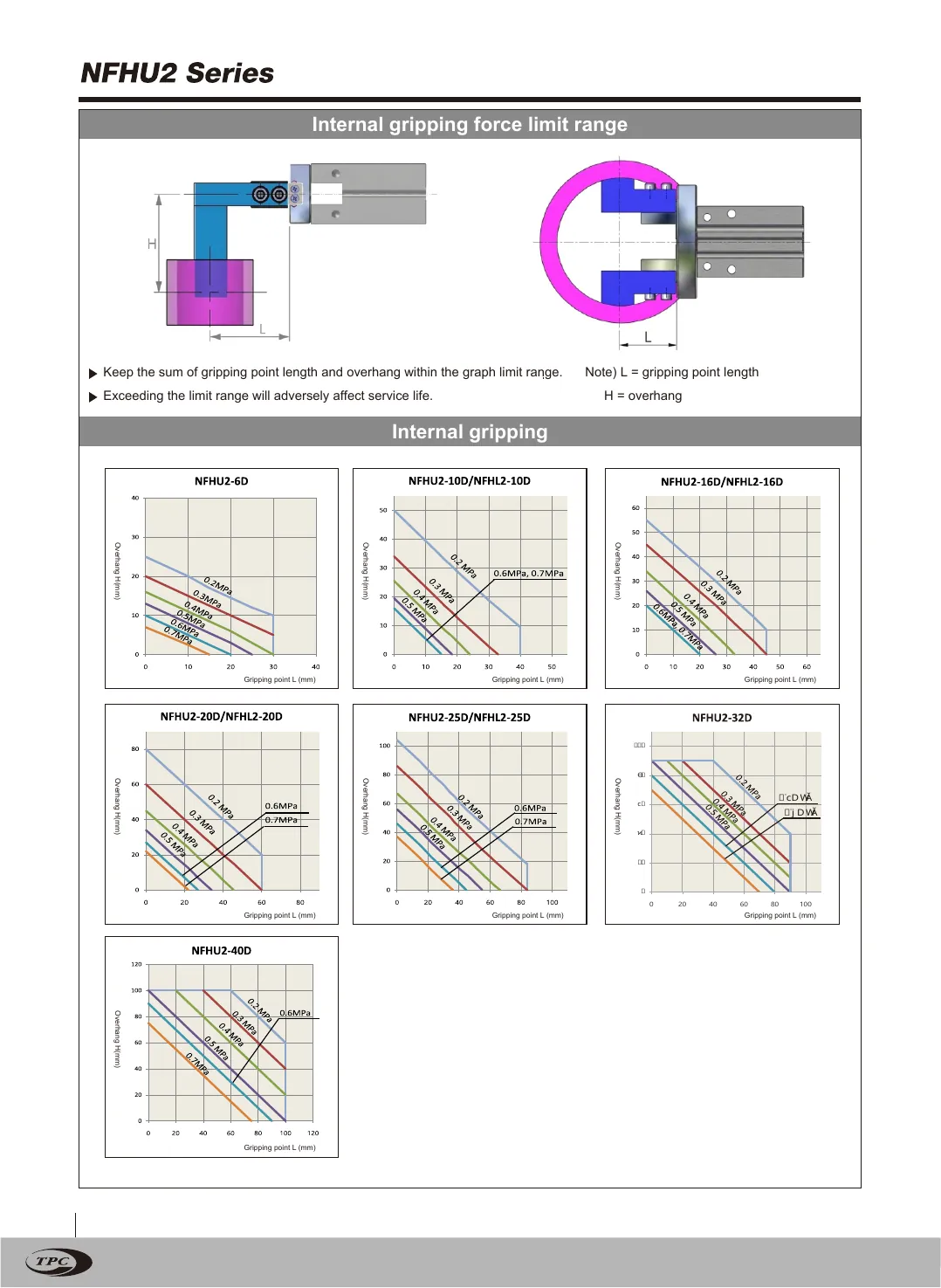
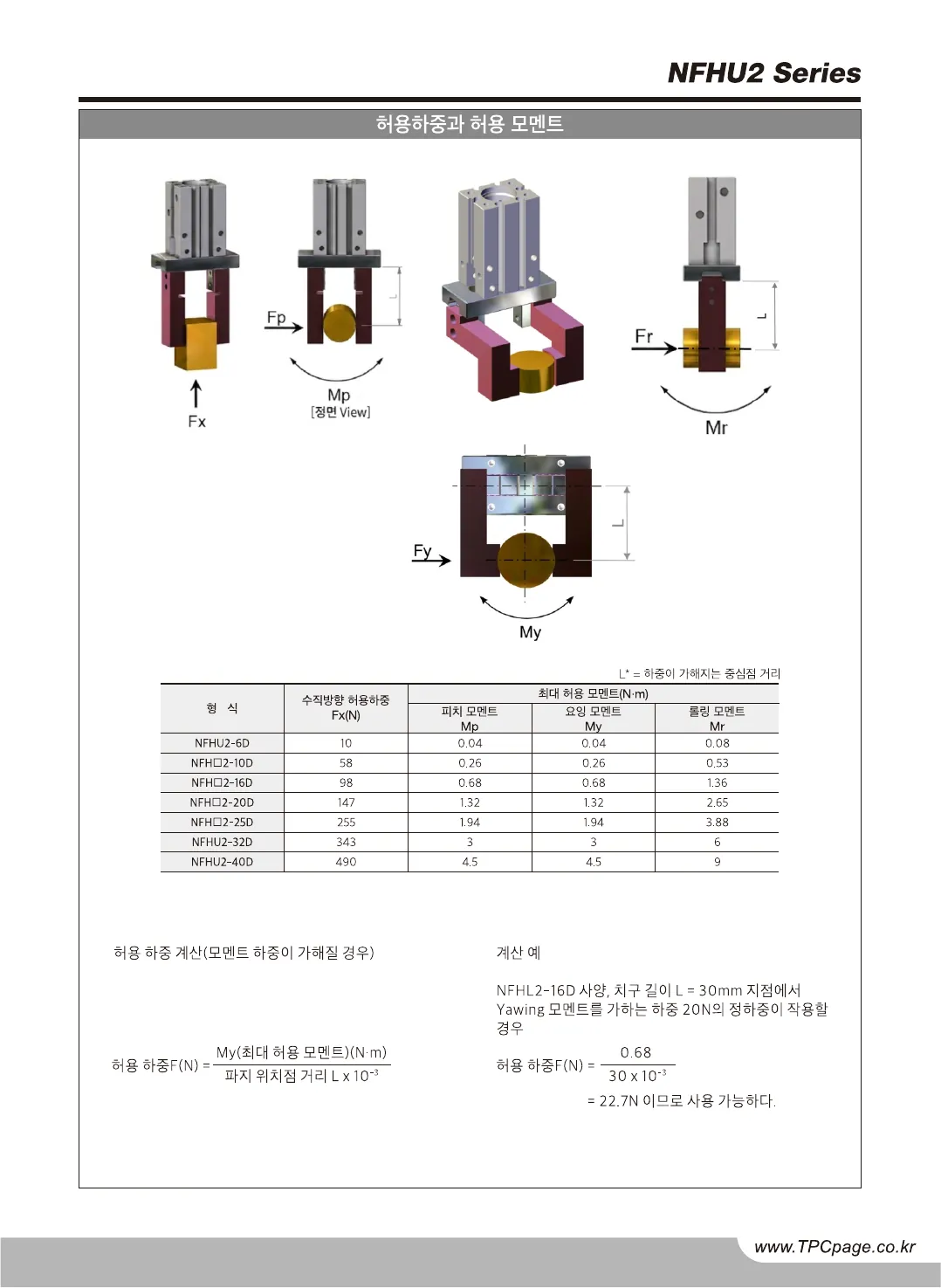
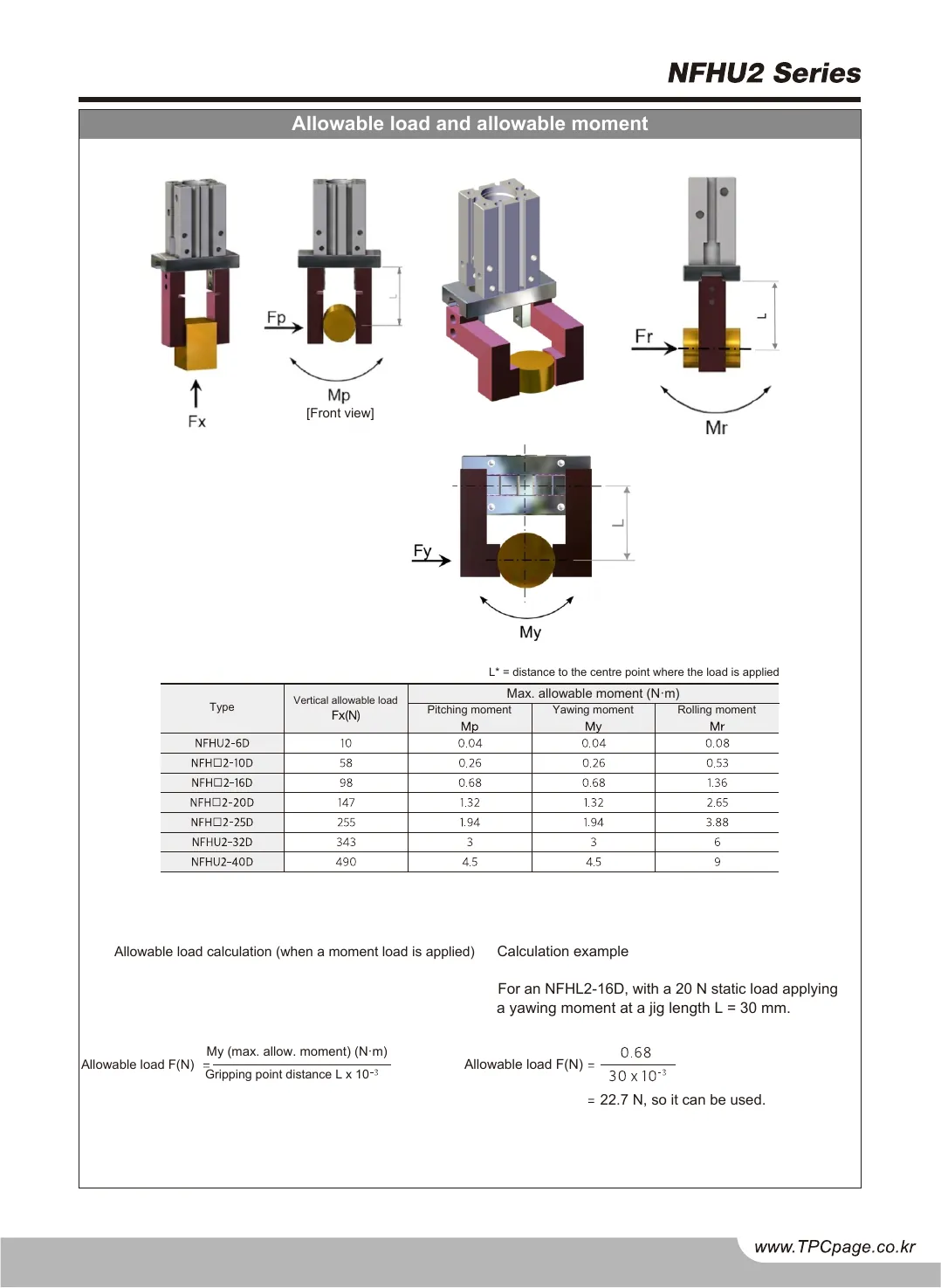
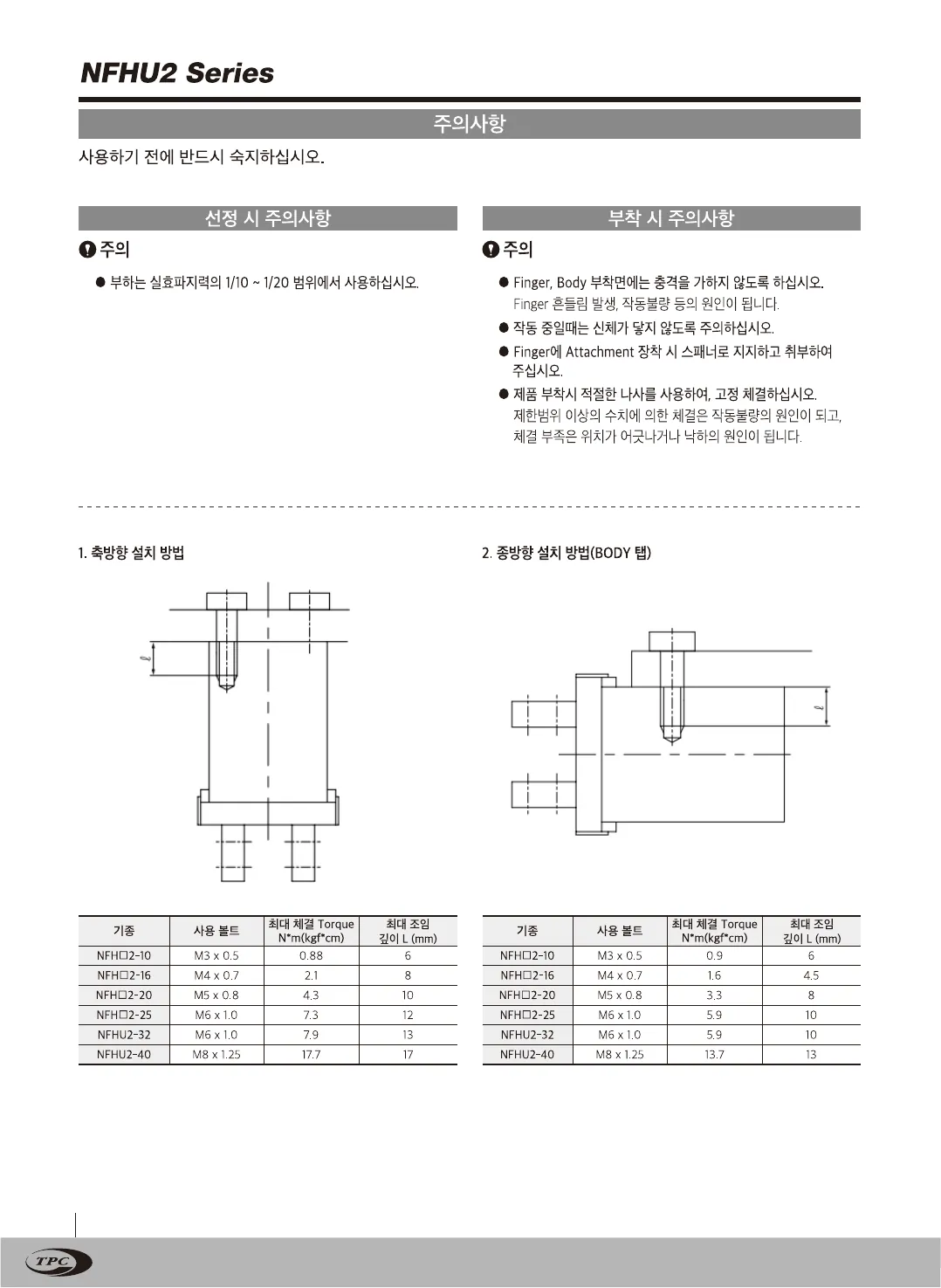
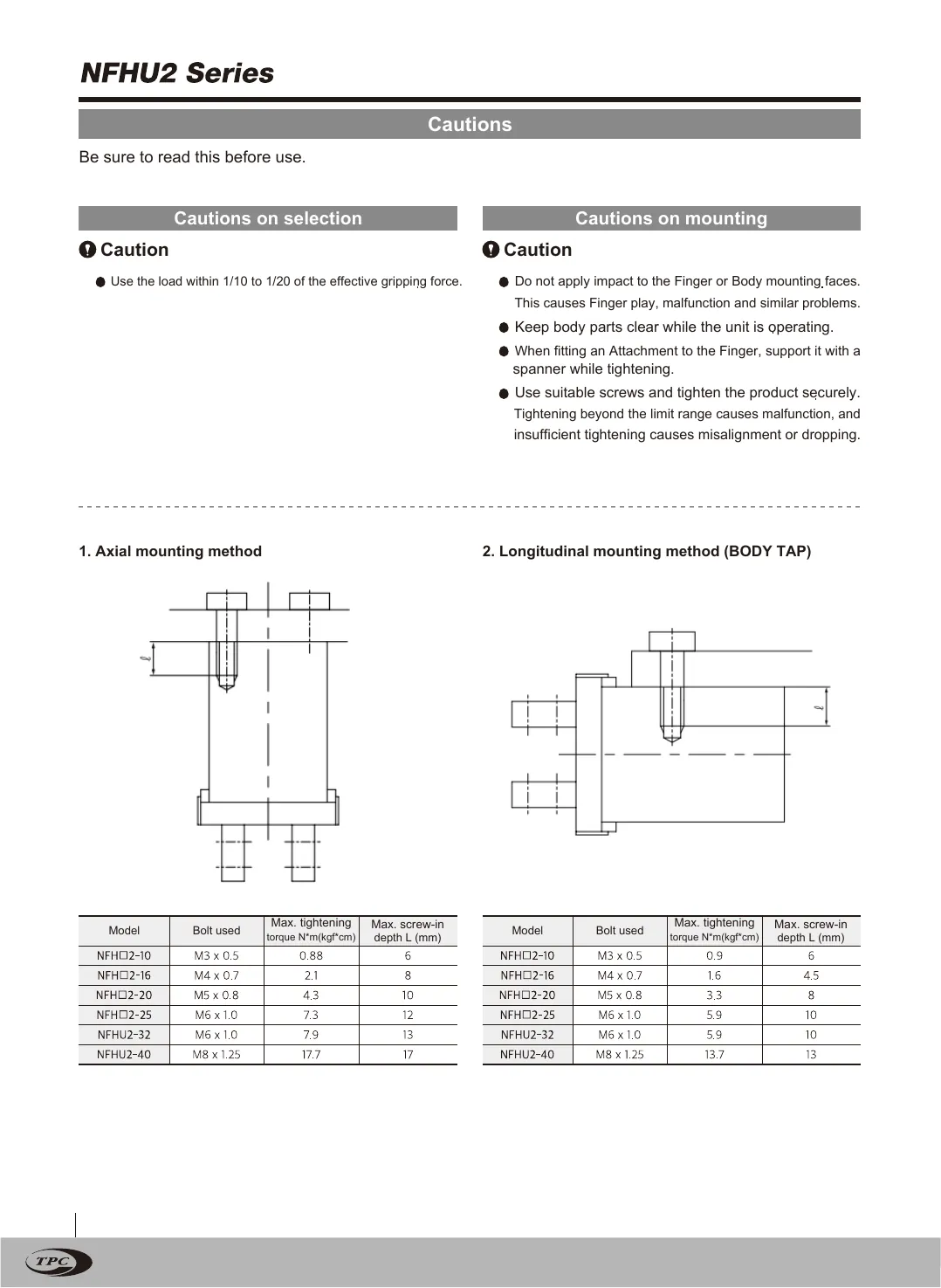
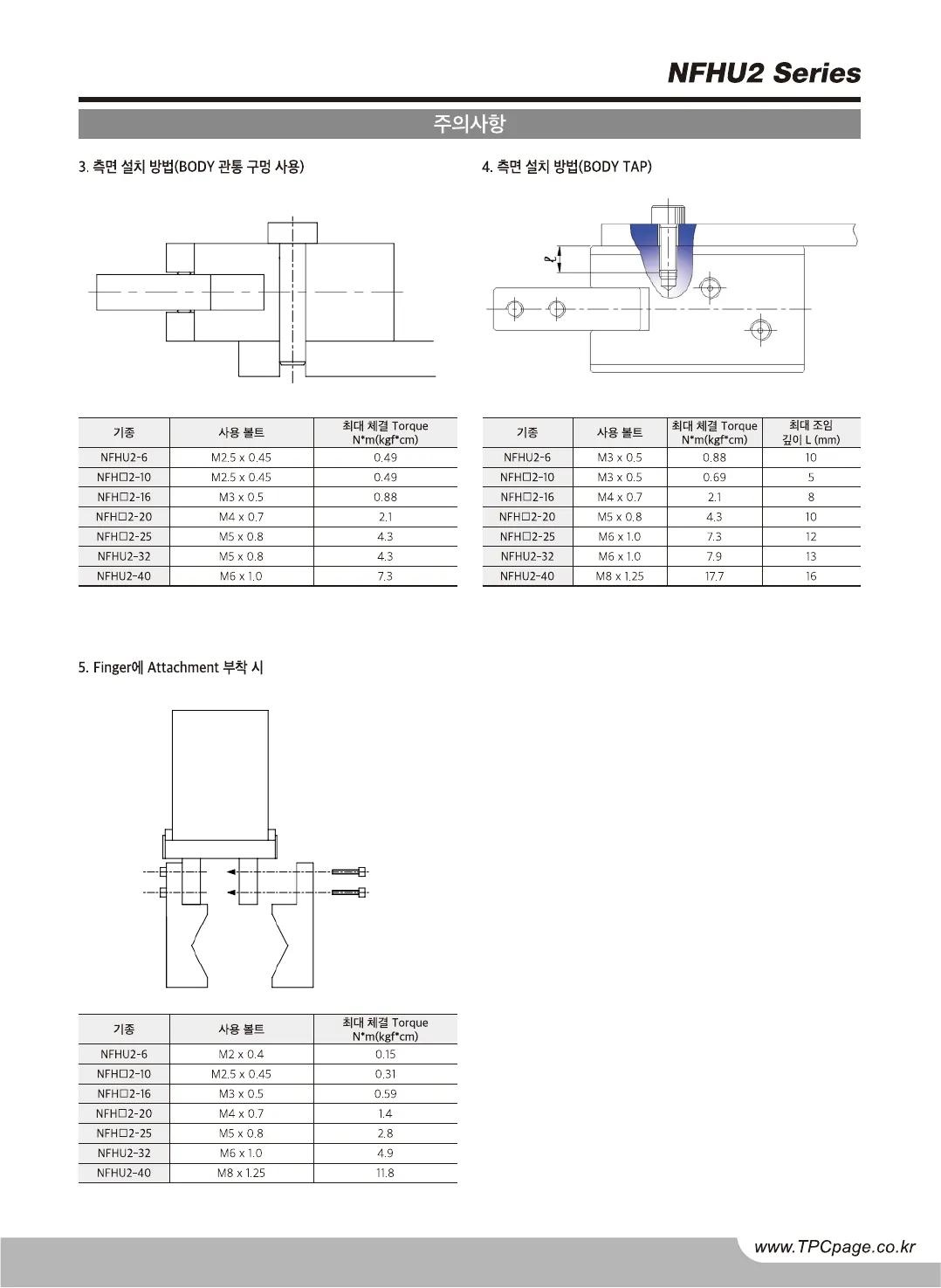
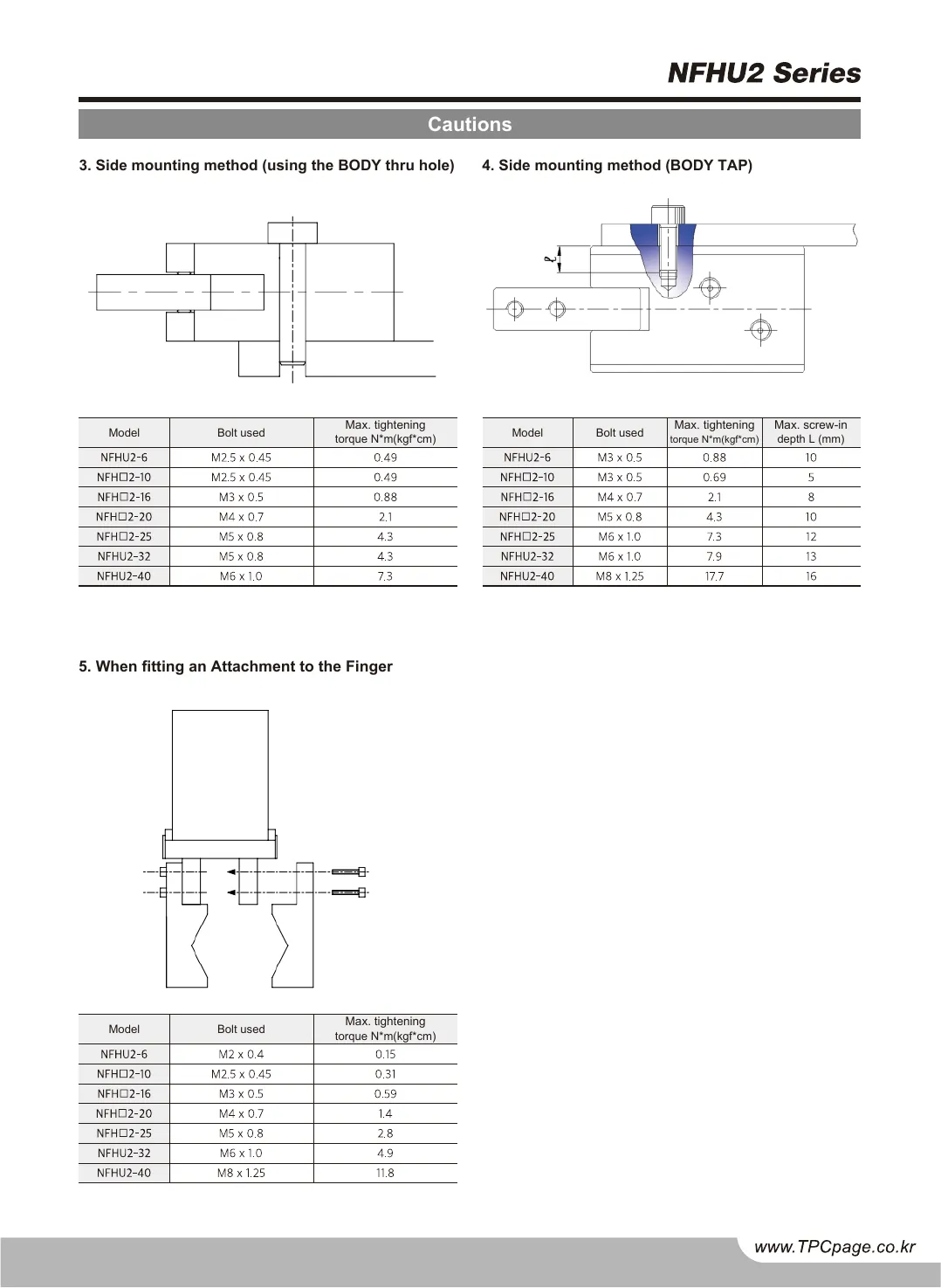
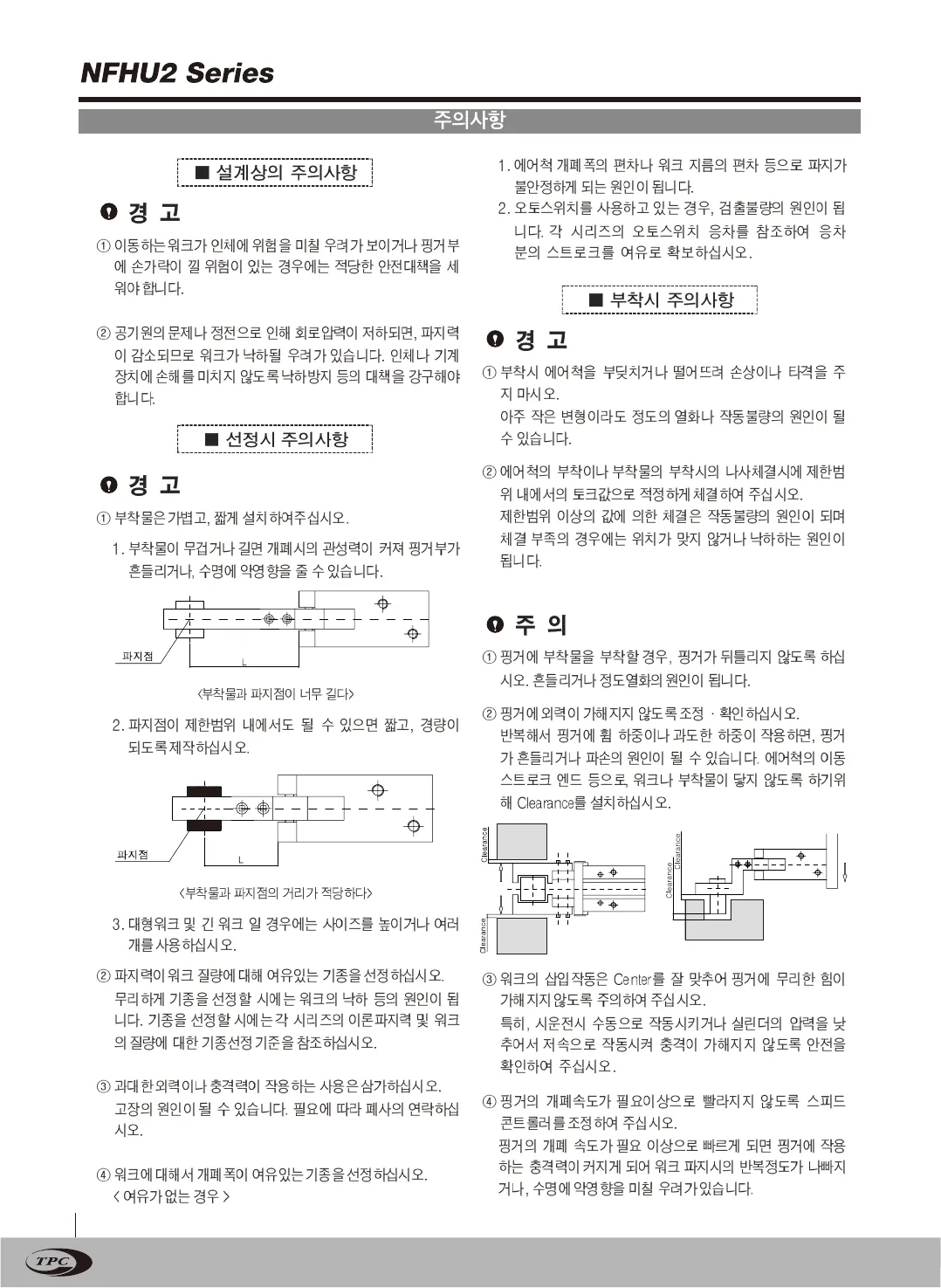
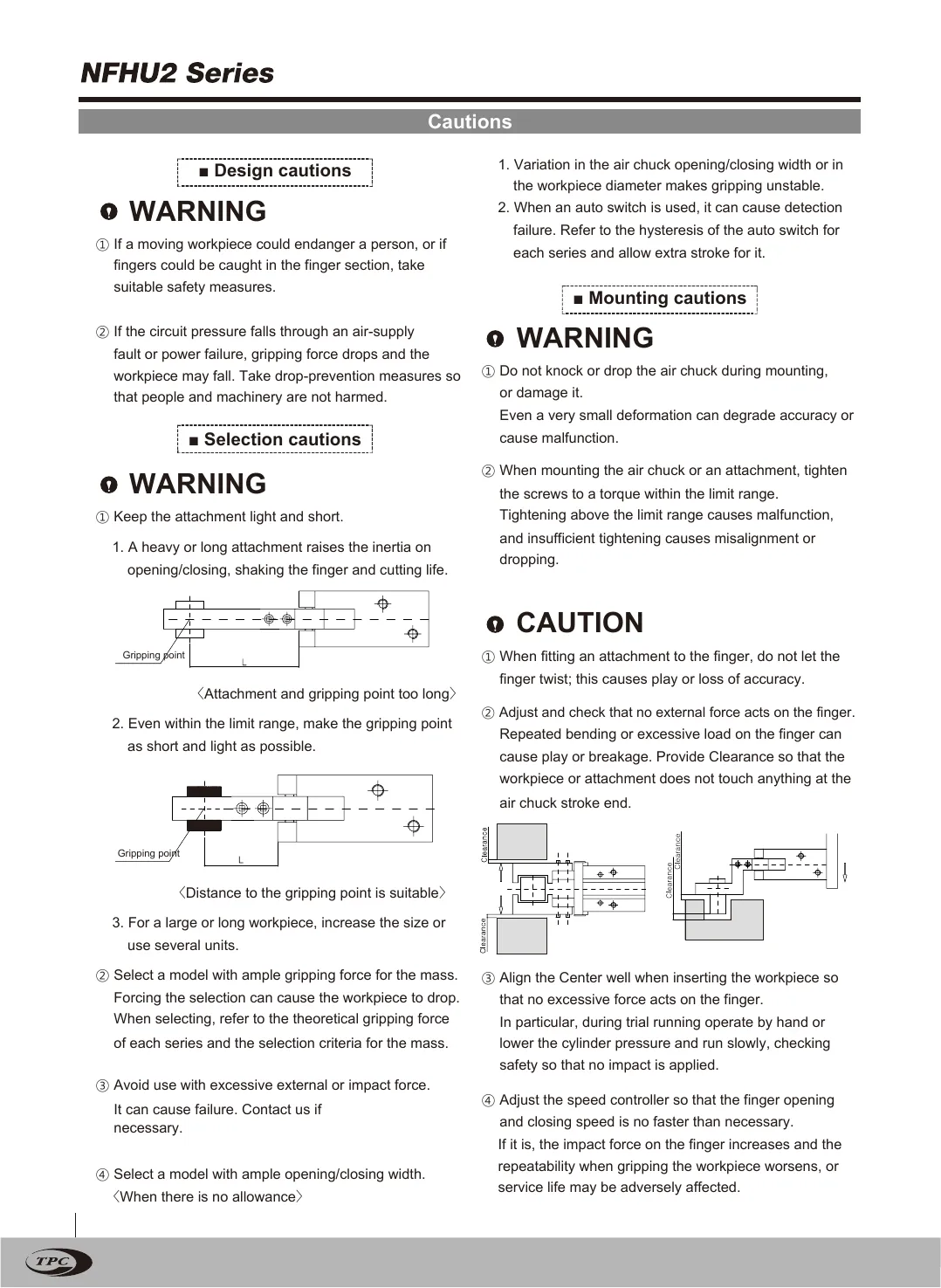
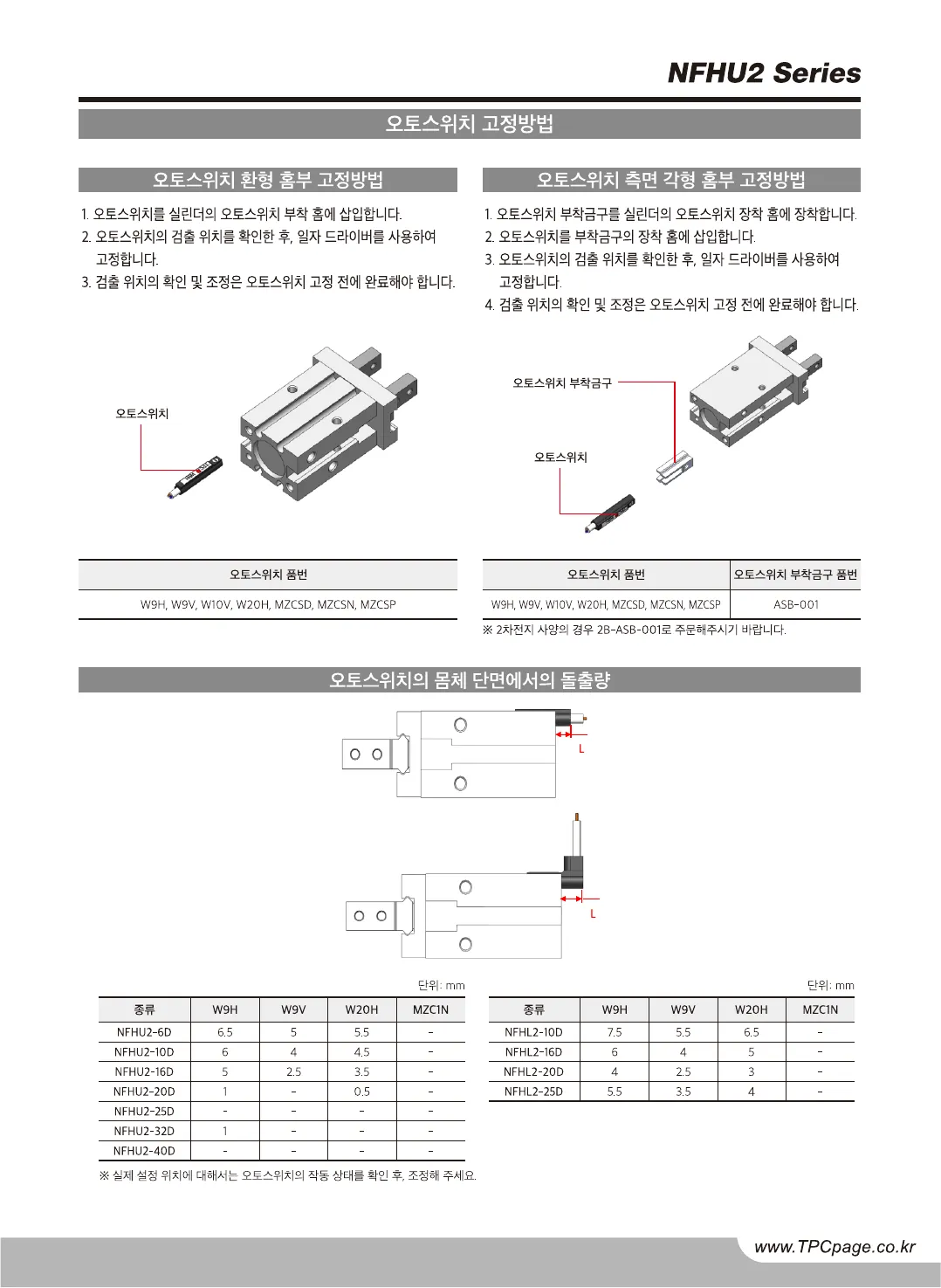
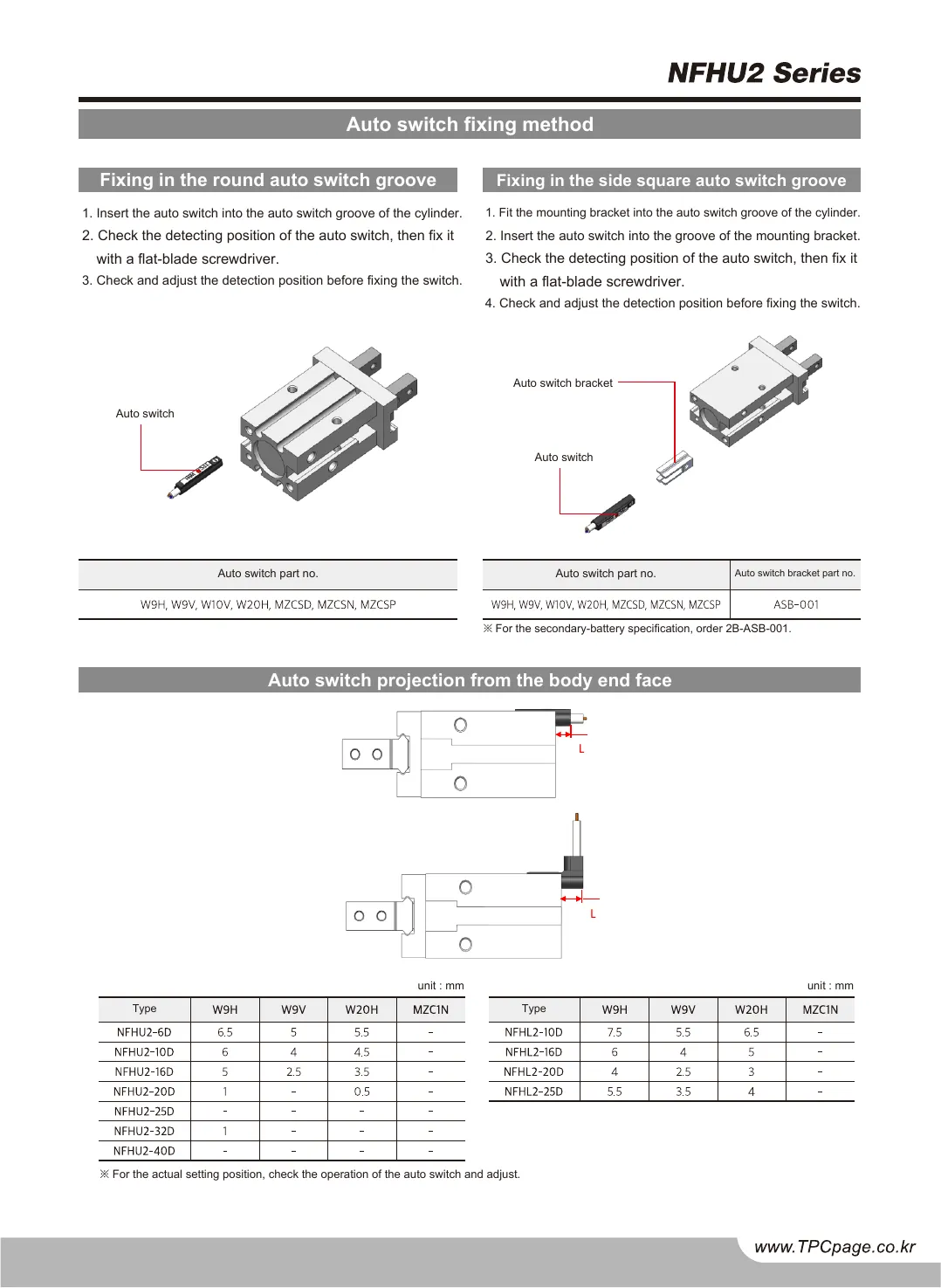
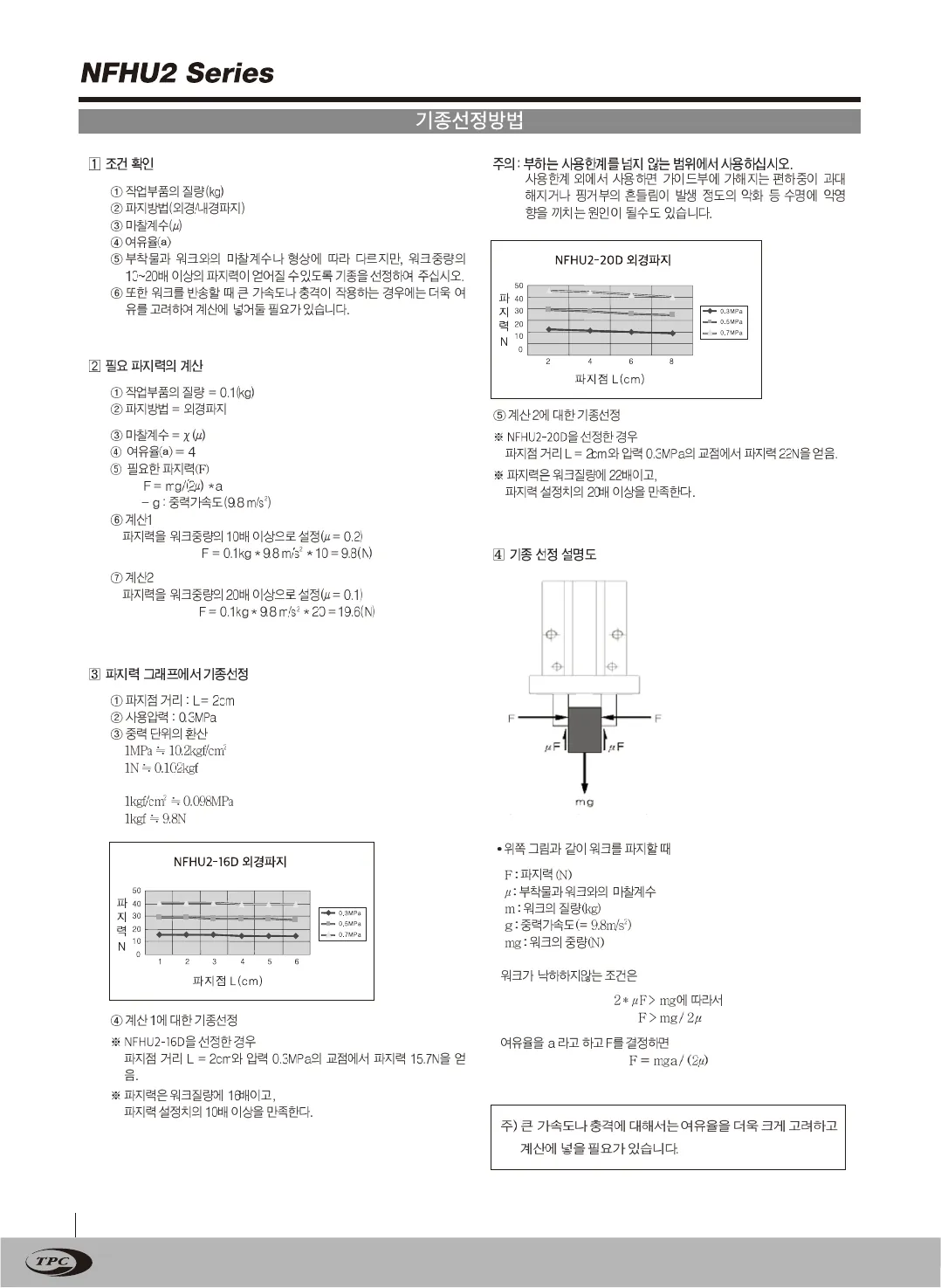
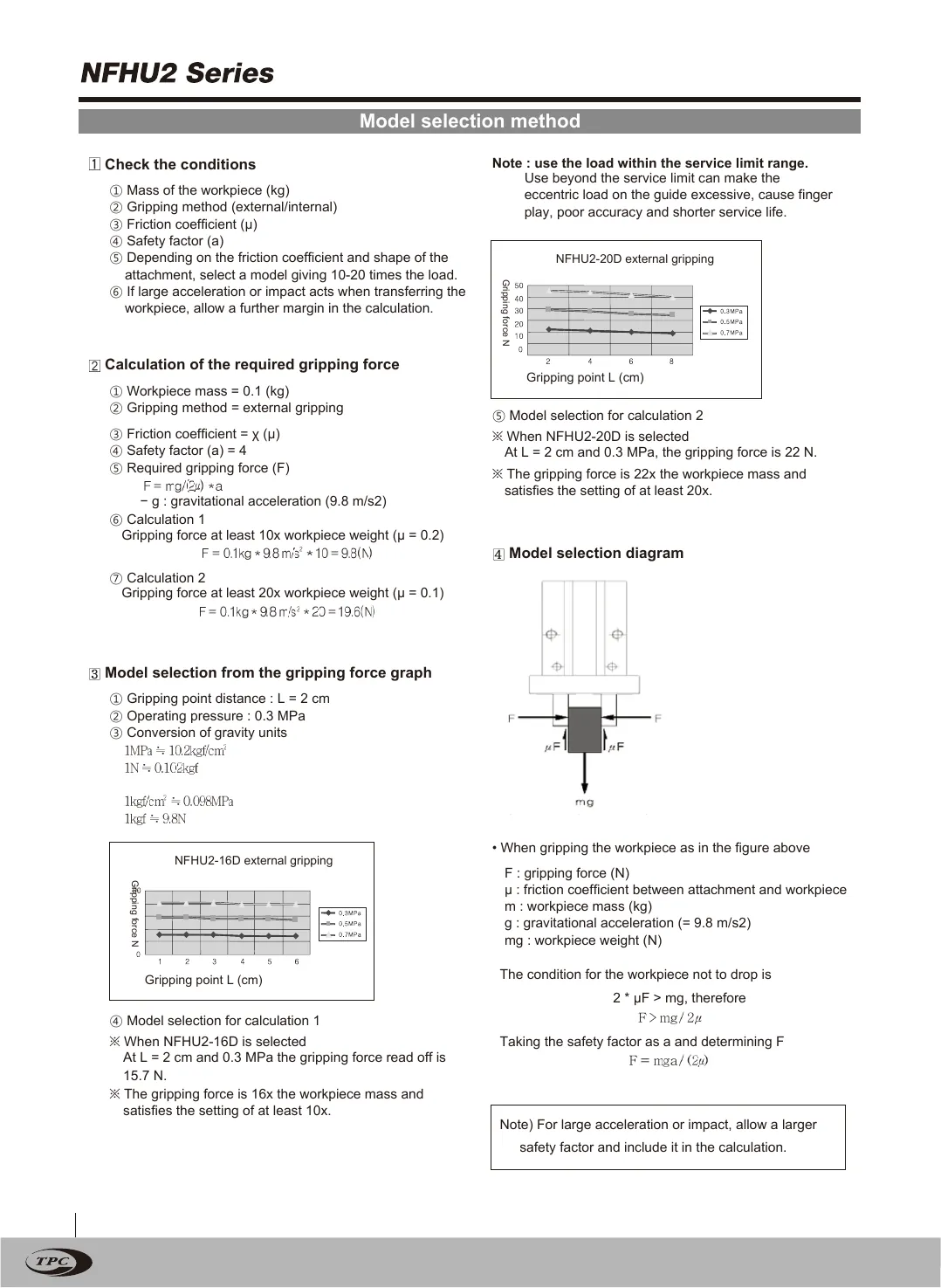
Everyone promises the drawings come through
The page that settles it is the one you dread sending
Put that page through whatever you use now: the dimension table, the exploded view thick with callouts. If it comes back wrong, someone on your team rebuilds it by hand, and that was never their job.
Same pages
Other language
bringPDF treats the catalog as a document to preserve, not a text to re-set. The words are replaced in place; the vector drawings, the table rules, the charts and the fonts stay where they were. The result is a twin: open the two PDFs side by side and every page lines up with its counterpart.
The twin stays a vector PDF: the text is replaced in place and nothing is rasterized, so it prints at the original resolution and zooms without blur.
No line overflows its cell: where a translation runs longer than the source, it is rephrased to fit at the original size or, where that is impossible, set to fit, so tables and callouts never break.
| Translation as usual | bringPDF |
|---|---|
| Text re-set in a new document | Text replaced in place, in the original file |
| Tables and charts rebuilt by hand | Tables, charts and drawings untouched |
| Page count and pagination drift | Same page count, same page geometry, checked on every page |
| Terminology from a general dictionary | Terms that match the drawing and the table beside them |
| Quality judged by reading | Parity checks on page count and geometry precede every delivery |
The next document is more accurate
A tool starts over on every file
Where a general tool starts
Every file arrives as its first file. A general tool holds no memory of the previous document, so the terms it settled on there never reach this one. Each run is a fresh guess, and nothing obliges one guess to agree with the next.
So the same part is named one way in the catalog, another way in the manual, and a third way on the site. The words drift apart quietly, and the drift is only ever found by a reader.
Where bringPDF starts
Never from zero. The terms are not looked up; they are read out of what your company has already published, in both of your languages. One document you have already issued in both is more accurate than a dictionary. A dictionary is a guess; that document is evidence of how your engineers actually write.
And what produces the result is not a word list but the judgment around it: that two names for one part cannot both be right in the same catalog, that a material would never be used for that part, that a figure sits wrong beside its own table neighbors. None of that judgment fits in a list of words.
What a translation tool does
It pulls the text out (or reads a picture of the page), translates it, and generates a new document. Everything that isn’t text, the drawings, graph curves, table rules, photos, colors and fonts, is re-drawn from the tool’s guess of the layout. That is why titles shift, backgrounds smear and images come back wrong: the original page never survives the round trip.
On engineering catalogs it is worse: in many, the text is not text at all, but drawn outlines or bitmaps. A text tool sees a nearly empty page, translates the little it can find, and returns something that looks finished.
What bringPDF does
This is not translation in the usual sense. The page is not re-created; it is edited. The original page is kept, the source text is replaced with the target language in the exact place it stood, at the original size, and the rest of the page is left untouched.
And we prove it: every page of the twin is compared with its source, page by page, 56 of 56 pages, and checked that no source text remains, including the outlined text no text tool can see.
The same standard carries into the next document. Your catalogs, subtitles, narration and web catalog come to share one standard, so everything you put in front of a customer reads as one company’s writing, and every document added raises the quality of the next one.
Fit, not shrink. A translation rarely runs the same length as its source; English runs about half again as long as Korean. Instead of shrinking the type or letting it overflow, each line is rephrased to fit at the original point size.
Correction is an edit, not a re-translation. Your engineers’ review notes come in as page-level corrections, go straight into the same twin, and the wording they settle on carries into the next document.
Even words printed inside an image are translated, whether that image is a drawing, a table or a photograph. The image itself is kept.
Measured, not asserted
Every page pair, compared
Every page pair was compared pixel for pixel outside the text; the table shows what differed. Every claim on this page rests on the measurements in this table.
| Catalog | Page | Page size, pt, both versions | Text area excluded | Pixels differing outside text | Verdict |
|---|---|---|---|---|---|
| THR | 1 | 595.3 × 841.9 | 28.9 % | 0.009 % | match |
| THR | 2 | 595.3 × 841.9 | 32.5 % | 0.000 % | match |
| THR | 3 | 595.3 × 841.9 | 8.7 % | 0.005 % | match |
| THR | 4 | 595.3 × 841.9 | 9.2 % | 0.005 % | match |
| TLR | 1 | 595.0 × 843.7 | 18.8 % | 0.038 % | match |
| TLR | 2 | 595.0 × 843.7 | 2.8 % | 0.014 % | match |
| TLR | 3 | 595.0 × 843.7 | 2.9 % | 0.018 % | match |
| TLR | 4 | 595.0 × 843.7 | 3.0 % | 0.014 % | match |
| AQ2 | 1 | 538.6 × 737.0 | 52.9 % | 0.002 % | match |
| AQ2 | 2 | 538.6 × 737.0 | 40.9 % | 0.043 % | match |
| AQ2 | 3 | 538.6 × 737.0 | 25.0 % | 0.004 % | match |
| AQ2 | 4 | 538.6 × 737.0 | 21.6 % | 0.000 % | match |
| AQ2 | 5 | 538.6 × 737.0 | 21.8 % | 0.000 % | match |
| AQ2 | 6 | 538.6 × 737.0 | 24.3 % | 0.000 % | match |
| AQ2 | 7 | 538.6 × 737.0 | 13.0 % | 0.000 % | match |
| AQ2 | 8 | 538.6 × 737.0 | 18.2 % | 0.000 % | match |
| AQ2 | 9 | 538.6 × 737.0 | 17.4 % | 0.000 % | match |
| AQ2 | 10 | 538.6 × 737.0 | 14.7 % | 0.000 % | match |
| AQ2 | 11 | 538.6 × 737.0 | 11.0 % | 0.000 % | match |
| AQ2 | 12 | 538.6 × 737.0 | 29.0 % | 0.000 % | match |
| AQ2 | 13 | 538.6 × 737.0 | 36.3 % | 0.006 % | match |
| AQ2 | 14 | 538.6 × 737.0 | 31.5 % | 0.002 % | match |
| AQ2 | 15 | 538.6 × 737.0 | 15.4 % | 0.000 % | match |
| AQ2 | 16 | 538.6 × 737.0 | 41.4 % | 0.000 % | match |
| NGQ2 | 1 | 538.6 × 737.0 | 19.7 % | 0.000 % | match |
| NGQ2 | 2 | 538.6 × 737.0 | 8.2 % | 0.000 % | match |
| NGQ2 | 3 | 538.6 × 737.0 | 7.6 % | 0.002 % | match |
| NGQ2 | 4 | 538.6 × 737.0 | 4.4 % | 0.001 % | match |
| NGQ2 | 5 | 538.6 × 737.0 | 17.4 % | 0.010 % | match |
| NGQ2 | 6 | 538.6 × 737.0 | 15.7 % | 0.001 % | match |
| NGQ2 | 7 | 538.6 × 737.0 | 13.4 % | 0.002 % | match |
| NGQ2 | 8 | 538.6 × 737.0 | 5.9 % | 0.012 % | match |
| NGQ2 | 9 | 538.6 × 737.0 | 7.4 % | 0.024 % | match |
| NGQ2 | 10 | 538.6 × 737.0 | 17.8 % | 0.000 % | match |
| NGQ2 | 11 | 538.6 × 737.0 | 7.1 % | 0.000 % | match |
| NGQ2 | 12 | 538.6 × 737.0 | 17.3 % | 0.000 % | match |
| NGQ2 | 13 | 538.6 × 737.0 | 8.5 % | 0.000 % | match |
| NGQ2 | 14 | 538.6 × 737.0 | 7.7 % | 0.000 % | match |
| NFHU2 | 1 | 538.6 × 737.0 | 19.4 % | 0.000 % | match |
| NFHU2 | 2 | 538.6 × 737.0 | 8.6 % | 0.001 % | match |
| NFHU2 | 3 | 538.6 × 737.0 | 11.0 % | 0.000 % | match |
| NFHU2 | 4 | 538.6 × 737.0 | 9.9 % | 0.000 % | match |
| NFHU2 | 5 | 538.6 × 737.0 | 9.1 % | 0.000 % | match |
| NFHU2 | 6 | 538.6 × 737.0 | 9.0 % | 0.000 % | match |
| NFHU2 | 7 | 538.6 × 737.0 | 5.1 % | 0.000 % | match |
| NFHU2 | 8 | 538.6 × 737.0 | 3.8 % | 0.000 % | match |
| NFHU2 | 9 | 538.6 × 737.0 | 7.4 % | 0.000 % | match |
| NFHU2 | 10 | 538.6 × 737.0 | 7.0 % | 0.000 % | match |
| NFHU2 | 11 | 538.6 × 737.0 | 8.7 % | 0.000 % | match |
| NFHU2 | 12 | 538.6 × 737.0 | 10.5 % | 0.000 % | match |
| NFHU2 | 13 | 538.6 × 737.0 | 7.7 % | 0.016 % | match |
| NFHU2 | 14 | 538.6 × 737.0 | 9.6 % | 0.004 % | match |
| NFHU2 | 15 | 538.6 × 737.0 | 3.9 % | 0.000 % | match |
| NFHU2 | 16 | 538.6 × 737.0 | 40.1 % | 0.049 % | match |
| NFHU2 | 17 | 538.6 × 737.0 | 13.7 % | 0.000 % | match |
| NFHU2 | 18 | 538.6 × 737.0 | 25.4 % | 0.011 % | match |
Send one catalog. The first call settles the page count, the language pair and the terms.
Request a demo →Replacement, not re-setting
A general translator produces text. bringPDF produces the same document again, in the other language, and checks that it is the same document before it leaves.
Terms in context
Every CAD and manufacturing term is translated to match the drawing and the table it belongs to.
Text replaced in place
The new text goes back in place. Vector drawings, table rules, charts and fonts are never touched, which is why the non-text pixels in the table above match.
Parity, checked
Page count and page geometry are compared on every page before a twin is delivered. A twin with a different page count or a moved page does not ship.
Reviewed by your engineers
The twin comes with its page-by-page comparison. Your engineers read it against the source on the pages where a wrong term costs money: specifications, dimensions and ordering codes. Their sign-off is the acceptance bar.
- KR to EN and EN to KR, from the PDF you print from.
- Your catalog PDFs never leave the project.
Each catalog ships with its own proof pack
Ordered per project
bringPDF is delivered per project, not on a subscription. Send the PDF, name the target language, and a twin comes back with its page-pair comparison attached. Terms are agreed per catalog.
Send the printed catalog PDFThe file you already print from. No InDesign, no packaged fonts, no working files to dig out of an archive.
1 × PDFReceive the twinThe same document in the other language: same page count, same geometry, drawings and tables untouched.
1 × PDFReceive the proofThe per-page comparison for your catalog, in the form shown above, so your team can see what was checked.
diff tableReview on your scheduleYour engineers read the twin against the source. Their sign-off is the acceptance bar.
your sign-offLet's talk
We skip the pitch decks. Bring one catalog and leave with the page count, the language pair, and the terms.
First call → twin delivered: scheduled per catalog
Your catalog PDFs never leave the project. The twin is checked page by page against them before it ships.
Built for manufacturers whose catalogs are drawings with sentences in them.
Every twin checked page by page against your source before it ships.
Founder & CEO
Former robotics company President
20 yrs Korea & US market experience